

























































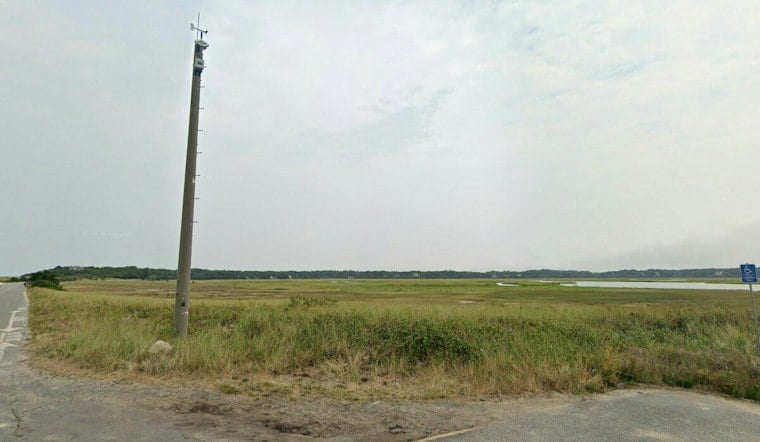
A 126-acre stretch of salt marsh overlooking First Encounter Beach in Eastham now belongs to the Native Land Conservancy, after the Nature Conservancy transferred the land as a gift on Oct. 30. The tract sits beside the group's earlier purchase in the same town, giving the Indigenous-led nonprofit a widened footprint along a shoreline where English settlers and the Nauset first clashed in 1620.
The Washington Post published an account detailing the transfer on Nov. 10, before The Provincetown Independent reported it on Nov. 19. The Independent gave the acreage as 126 acres, while the Post described the parcel as roughly 120 acres. Either way, the newly acquired marsh now sits adjacent to the 20.4-acre property at 10 Cartway North that the Native Land Conservancy bought for $3 million on June 30, according to the Independent.
A New Name for an Old Shoreline
The Native Land Conservancy has given the property a Wôpanâak name, T8nupâhs Uwatuhshât, which the organization translates as “at the turtle's nest,” per its own blog post. The name nods to the Massachusetts diamondback terrapin, a species the conservancy says is threatened in the Commonwealth, with local neighbors monitoring nesting sites in Eastham. The Cape Cod Times describes the combined property as holding both ecological value and Wampanoag historical significance, overlooking Cape Cod Bay.
According to the conservancy, local neighbors and the Eastham Conservation Foundation pushed for the group to become the next deed holder and backed the effort with money. The foundation had already contributed $100,000 toward the conservancy's purchase of 10 Cartway North, the same report notes. The conservancy's executive director, Diana Ruiz, said of the earlier Eastham land that “We have been spending our time trying to get to know the land, to learn from her and understand what it needs from us,” a sentiment that still frames how the organization is approaching its expanded holdings near the beach.
Ground Where History Turned
First Encounter Beach carries its name for a reason: it's where the Nauset and newly arrived English settlers “first fired arrows and muskets at one another in 1620,” as the Independent's account puts it. NPR's Ayesha Rascoe spoke with Paula Peters of the Native Land Conservancy about the acquisition, according to the seed NPR report.
Part of a Broader Pattern
The Eastham transfer lands amid wider momentum for Tribal-led conservation. A Trust for Public Land poll found that 77 percent of respondents agreed Native American Tribes have an important role in stewarding natural resources on their homelands, and 58 percent supported voluntary efforts by willing landowners to return homelands to Tribes. The same poll found 61 percent backing increased federal conservation funding for Tribal nations, according to Trust for Public Land.
That organization says it has worked with more than 70 Tribes and Indigenous groups to protect roughly 200,000 acres nationwide. The Native Land Conservancy in Eastham is pursuing this kind of acquisition on a much older stretch of New England coastline.



