

























































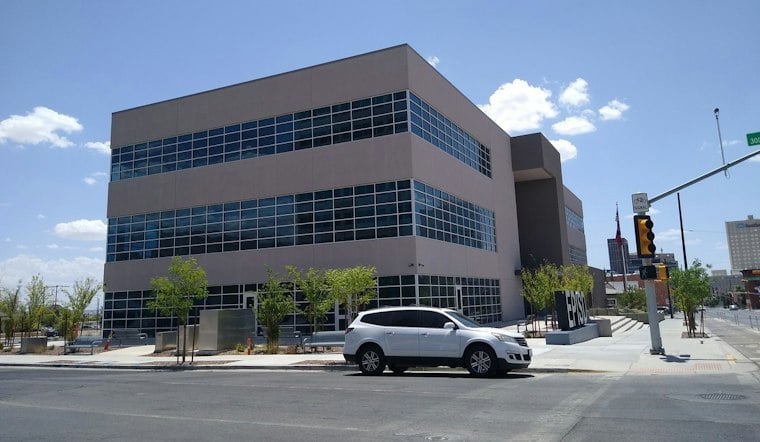
EPISD trustees are weighing whether a proposed $4.5 million contribution to the district’s health insurance fund would ease costs for employees across coverage tiers. District figures show that most enrollees have employee-only coverage, while trustees questioned whether the approach would offer meaningful relief to employees paying for family plans.
Trustees reviewed EPISD's self-funded health insurance program at the Nov. 9 board meeting, according to KFOX14/CBS4. District officials said about 72 percent of employees are enrolled in employee-only coverage. The proposed $4.5 million would primarily benefit that group, rather than the roughly 28 percent who cover spouses or children. Trustees asked staff for more information about enrollment and salary groups before deciding whether, or how, to direct the money.
Trustees Brian Kelly and Mindy Sutton focused on the effect of higher premiums on employees’ take-home pay, particularly hourly workers. Kelly said employees were angry, while Sutton raised concern that some hourly staff could struggle to keep up with the costs. She urged the board to consider whether funding should be targeted to employees facing the greatest financial hardship.
A Mid-Year Hike Already Hitting Paychecks
The district implemented a 15 percent premium increase in July as the first phase of its changes, per the same KFOX14/CBS4 account, with a second phase scheduled to hit employees' Jan. 15, 2027 paychecks. EPISD officials acknowledged that some employees are already exploring other insurance options because of the rising costs, including switching to employee-only coverage and seeking separate policies for spouses or children, or obtaining coverage through a spouse's employer instead.
Roughly 5,850 employees currently participate in the district's medical plan, while about 1,015 have waived medical coverage altogether, the report notes. EPISD's own benefits materials show the district's monthly contribution toward medical coverage is set to rise from $562.10 to $616.77 per eligible employee for the 2027 plan year, according to an EPISD benefits flyer, which also confirms annual open enrollment runs from Oct. 26 through Nov. 18.
EPISD's Family Premiums Top the Region
A presentation prepared by Hub International compared EPISD's 2027 premiums against four neighboring districts, and the numbers were not flattering. Employees choosing family coverage under EPISD's Consumer-Directed Health Plan are set to pay $1,458 a month in 2027 — the highest family premium among the five districts compared, outpacing Socorro ISD by $352 a month, Clint ISD by $96, and Canutillo ISD by $230. Ysleta ISD's family CDHP premium, by comparison, sits far lower at $733 a month.
Under the co-pay plan option, the gap narrows somewhat: Socorro ISD actually carries the highest monthly premium there at $1,910, compared with EPISD's $1,623, the same presentation shows. Those comparisons land against a backdrop described by union president Kara Cervantes, who estimated to CBS4 that EPISD employee premiums had remained largely unchanged for about five years before this year's increases hit.
A Deficit Years in the Making
The financial strain behind the proposed relief traces back further than this month's meeting. A third-party auditor, Lori Boswell of Moakcasey, told EPISD board members in May that the health insurance fund was $19 million short, and that the fund had been borrowing from the district's general fund to cover shortfalls, leaving it owing that fund $19 million, according to KFOX14/CBS4's earlier reporting on the audit findings. By Monday's meeting, officials were discussing a cumulative deficit of approximately $27 million in the self-funded program, with healthcare claims and expenses having exceeded contributions over time.
District officials pointed to some cost-saving progress alongside the warning signs. Total medical plan spending fell from roughly $55.4 million to $53.1 million between comparison periods, and pharmacy management programs generated more than $4.1 million in reported savings. At the same time, covered membership dropped from an average of 9,508 between January and August to 8,742 in September — a decline of about 8 percent that the presentation did not explain, leaving open whether rising premiums, staffing reductions, or other factors were behind the drop.
How EPISD’s Plan Fits the Broader Picture
EPISD’s program is self-funded; the Teacher Retirement System of Texas describes a different set of options through TRS-ActiveCare. Its 2026-27 materials list three plans—one regional plan and two standard plans. Those materials establish the options available, but do not provide a basis here to compare how TRS-ActiveCare and EPISD set premiums or district contributions. The fund’s pressure also predates the current proposal. In a separate May 2026 review, El Paso Matters reported that MoakCasey found EPISD’s self-funded health insurance program relied on general-fund spending to stay afloat. Earlier reporting cited here described the fund’s borrowing from the general fund and its deficit; district figures also show claims and expenses exceeding contributions over time.
How Other Districts Are Responding
EPISD isn't the only district confronting painful premium math. In a separate 2025 decision, Socorro ISD's board unanimously adopted a plan to raise some employee premiums by $45 to $650 a month depending on coverage selected, according to El Paso Matters. A separate 2026 health insurance plan raised employee-and-family premiums by $374.86 a month, or $4,498.32 annually. The district had planned to put $5 million of proposed VATRE revenue into its health fund, but voters rejected the measure; the money was not voter-approved revenue.
Back in El Paso, officials say the broader goal is maintaining enough funding to cover future claims and rebuild depleted reserves, even as the district continues addressing budget reductions and staffing cuts elsewhere. For now, trustees have not finalized how — or whether — the $4.5 million will be distributed, with board members still awaiting the enrollment and salary-group breakdowns needed to decide who gets help first.





