

























































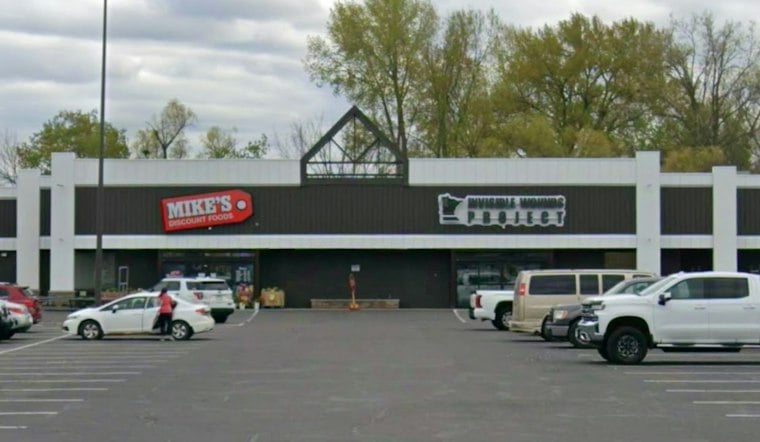
Three current or former first responders have died by suicide in the past two weeks, and a Forest Lake nonprofit built to catch people in exactly this kind of freefall says it has been working nonstop to help survivors and colleagues process the losses. The Invisible Wounds Project says the deaths include an EMT in western Wisconsin, a law enforcement officer in the Arrowhead region, and a former Minneapolis police officer who had struggled with PTSD.
According to MPR News, Russ Hanes with the Invisible Wounds Project identified the EMT's death and the law enforcement officer's death in the Arrowhead region, while the nonprofit Heroes Helping Heroes MN identified the third person as a former Minneapolis officer. Hanes said the organization tends to get busier whenever there is a string of deaths like this one, and he believes some regional first responders who have died by suicide may never come to the organization's attention because of lingering stigma around mental health in these professions.
A Facility Built for the Weight First Responders Carry
The Invisible Wounds Project is based in Forest Lake and supports law enforcement officers, firefighters, EMS workers, 911 dispatchers, frontline medical staff and veterans, per the same MPR News report. Its 12,000-square-foot facility includes a gym, an art studio, a wood shop and a therapy office, spaces designed to give frontline workers a place to be heard, understood, and find belonging rather than process trauma in isolation.
The organization runs on four full-time staff and has grown largely through outreach and word of mouth rather than large marketing budgets. That grassroots growth has not slowed the pace of need: the project now performs suicide-crisis interventions for current or former first responders and veterans almost every day, a sharp jump from where it stood just a year ago.
Crisis Interventions Have More Than Doubled
Last year the Invisible Wounds Project performed about three-and-a-half suicide-crisis interventions per week; it is now handling roughly eight per week, MPR News reports. Those numbers track with figures the organization shared earlier in the year with Audacy, when Hanes said the project served more than 2,000 people and conducted more than 125 suicide-crisis interventions in 2025 alone. Hanes told the outlet the organization was on pace to exceed those 2025 totals in 2026, potentially tripling its crisis interventions.
That growth has been helped along by public funding. Washington County awarded the Invisible Wounds Project a $100,000 Opioid Settlement Fund grant in 2026 to support a community outreach specialist position, the article notes. The project is also planning to extend its reach beyond its Forest Lake walls: it hopes to launch a mobile wood shop next spring that would travel around Minnesota and western Wisconsin as a rolling support space for first responders who cannot easily make the trip in.
Why People Wait Until Crisis Hits
Hanes said a recurring pattern he sees is that people often wait until they reach an absolute crisis point before reaching out for help, a dynamic that helps explain why interventions tend to spike only after a death has already occurred. Studies have found that first responders face higher risk for mental health issues and suicide because of job-related trauma, and one study found that law enforcement officers and firefighters are more likely to die by suicide than in the line of duty, according to the same MPR News reporting.
Federal data adds further context to that risk. The FBI's Law Enforcement Suicide Data Collection recorded nine attempted suicides and 32 suicide deaths among law enforcement officers in 2022, according to KSTP. Seven of those 32 deaths occurred in the Midwest, which also accounted for the majority of reported attempted suicides that year. KSTP reported the FBI listed relationship problems, burnout, depression and PTSD as potential contributing factors in some cases, the same dynamics that have driven survivors and colleagues to the Invisible Wounds Project's door in Forest Lake.
A Pattern Seen Before in Minnesota
The toll described in the recent cluster of deaths echoes earlier losses KSTP has documented. Retired Zumbrota police officer Gary Schroeder died by suicide on April 17, 2023, after struggling with PTSD he attained in the line of duty, according to the Zumbrota Police Department. KSTP has separately covered the Forest Lake center as a place designed to be one of healing and connection, intended to improve mental health and lives for the veterans and first responders who walk through its doors.
A CBS Minnesota segment previously profiled Chris Majeski, who served as both a deputy sheriff and a firefighter, describing his effort to return to the life he once had as one that had been interrupted. That kind of interrupted life, and the slow work of rebuilding it, is the daily business at the Invisible Wounds Project's Forest Lake facility. Anyone in crisis can call or text 988 to connect with trained counselors through the 988 Suicide and Crisis Lifeline, which is available 24/7.





