

























































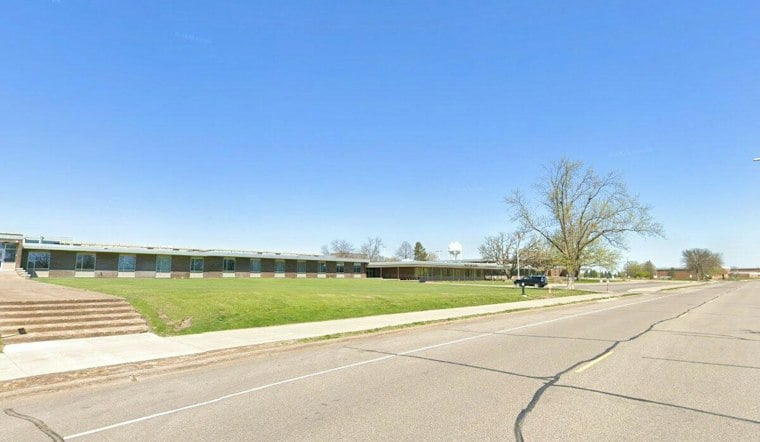
Fridley Public Schools says it plans to resume its internal investigation of a paraprofessional now that the Anoka County Attorney’s Office has completed its review. The district told KSTP that the employee was placed on administrative leave after the allegations came to light and has not been terminated. The district said it is seeking documentation from the county review before restarting its inquiry into whether district policies or professional standards were followed.
The district’s inquiry is distinct from the decision not to file criminal charges. Fridley’s Policy 423 bars sexual relationships between district employees and students regardless of age, according to KSTP’s report. The article also reported that the district would not provide more details, citing the open personnel matter and protected student information.
The legal review and its limits
Anoka County Attorney Brad Johnson told KSTP that investigators found evidence of sexual contact and sexual penetration involving a 17-year-old student and a paraprofessional who was 20 at the time. His office communicated its decision in a July declination letter, the station reported. Johnson said a Minnesota law barring licensed educators from sexual contact with high school students does not cover unlicensed paraprofessionals. Prosecutors also considered a position-of-authority statute, but its age-difference requirement was an obstacle, according to KSTP’s account of his explanation.
The age difference was 31 months, KSTP reported, while the relevant statutory threshold is 36 or 48 months, depending on the provision. Johnson said prosecutors examined six other possible theories before deciding none supported charges. These case-specific details come from Johnson’s account as reported by KSTP; no independent review of the investigative file is available here.
Policy, hiring checks and proposed changes
Minnesota requires school districts to conduct Bureau of Criminal Apprehension background checks before hiring paraprofessionals, but state law does not specify what districts must do if an applicant fails a check, according to the article’s reporting from KSTP. That decision is left to local school boards. KSTP also reported that Policy 423 was developed by the Minnesota School Board Association and the Minnesota Association of School Administrators in 1999, and that a violation can lead to firing and criminal charges.
A state law making grooming a minor a felony took effect August 1, 2026, and applies only to conduct on or after that date. Johnson told KSTP that the law might have provided a charging option if it had been in force when the alleged conduct occurred. The law is available from the Minnesota Revisor of Statutes.
Johnson said he is working with the Zero Abuse Project to review Minnesota’s criminal sexual conduct statutes and advocate for changes, according to KSTP. For broader context, Enough Abuse reports that, as of August 2026, 41 states and the District of Columbia had statutes specifically criminalizing sexual abuse of children by people working in or associated with schools. Its analysis found that the number of states with such laws rose from 15 to 29 between 2010 and 2017.





