

























































Georgia Attorney General Chris Carr is warning residents to steer clear of illegal online pharmacies that sell counterfeit, expired or unapproved medications, saying some of these operations put both consumers' health and their financial information at risk. The warning covers everything from everyday prescription pills to cancer treatments, Botox injections and popular weight-loss and diabetes drugs.
According to a consumer alert from Carr's office, as reported by FOX 5 Atlanta, some websites illegally sell improperly stored or fake drugs that put a consumer's health at serious risk. The sites don't stop at bad medicine, either — they also threaten to steal personal and financial information from unsuspecting buyers, the alert says.
Carr said counterfeit medicines are widespread and that some online pharmacies sell potentially dangerous products, per the same alert. Among the drugs named as targets for counterfeiting are weight-loss and diabetes medications such as Ozempic, Wegovy, Mounjaro and Zepbound, alongside everyday pills, cancer treatments and injectables like Botox.
Fentanyl and Meth Hidden in Fake Pills
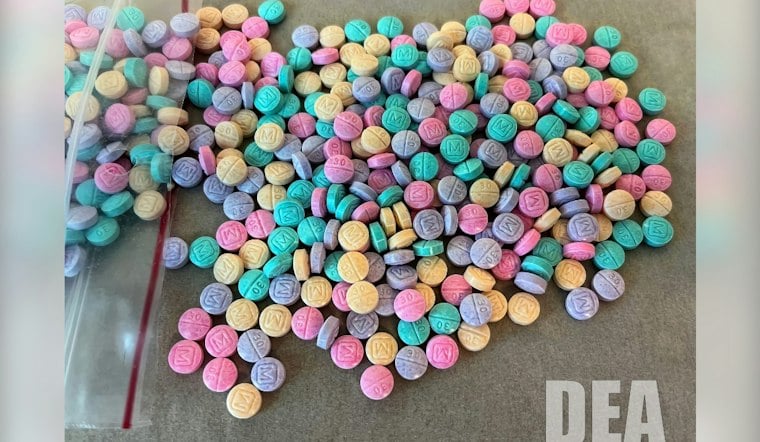
The danger extends beyond knockoff brand names. The U.S. Drug Enforcement Administration has warned that illegal sellers ship fake pills made with fentanyl and methamphetamine to Americans who believe they're buying legitimate medicine, according to the Fox 5 report. That means a consumer searching for a cheaper deal on a legitimate prescription could unknowingly end up with a pill laced with a deadly substance instead.
Georgia officials have not confirmed how many Georgians have been harmed by these illegal websites, nor which specific online domains are currently under investigation in the state, the outlet notes. Carr's office is urging residents to scrutinize steep discounts and verify sellers before handing over payment or medical details, rather than waiting for individual bad actors to be named publicly.
How Widespread Is the Problem
The scale of the issue, per figures cited by Carr's office from the FDA and the National Association of Boards of Pharmacy, is striking: roughly 35,000 online pharmacies operate worldwide, and about 95% of those sites operate illegally, with fewer than 4% complying with U.S. laws and pharmacy standards. Separately, NABP says it has identified more than 40,000 websites that fail to comply with its patient safety and pharmacy practice standards or applicable laws, and reports that 96% of the illegal online pharmacies it reviewed did not require a valid prescription for prescription-only medicine.
Carr urged consumers to research pharmacies, contact his office about suspicious activity, and question deals that seem too good to be true. “Only purchase medications from a pharmacy you trust,” his office advised, adding that Carr said his office is committed to protecting Georgians' health and safety.
What a Legitimate Pharmacy Looks Like
Legitimate online pharmacy sellers have a verifiable U.S. address, a licensed pharmacist, and proper licensing to serve Georgia consumers, according to the alert. The Georgia Board of Pharmacy does permit mail-order and out-of-state pharmacies to ship into the state, so an out-of-state seller isn't automatically a red flag — but consumers can verify a seller's license through the Georgia Board of Pharmacy before buying.
The U.S. Food and Drug Administration warns that unsafe online pharmacies may advertise prescription drugs at deeply discounted prices and often do not require a prescription — both signs Georgia officials are telling residents to watch for. Consumers can also consult a licensed pharmacist or the FDA's BeSafeRx website, and check pharmacy web addresses using NABP's free Safe Site Search tool at safe.pharmacy, which flags sites as not recommended.
Where to Report a Suspicious Site
Georgia's Attorney General's Consumer Protection Division says it's illegal under the Georgia Fair Business Practices Act for a person or company that isn't licensed to advertise as a pharmacy. Residents who believe an advertisement promotes an illegally operating online pharmacy can submit a complaint to the division, the Federal Trade Commission, or the FDA, per guidance from Consumer Ed. Carr's office says consumers can also report suspicious pharmacies to his Consumer Protection Division, the FTC, the FDA, or NABP through safe.pharmacy.





