

























































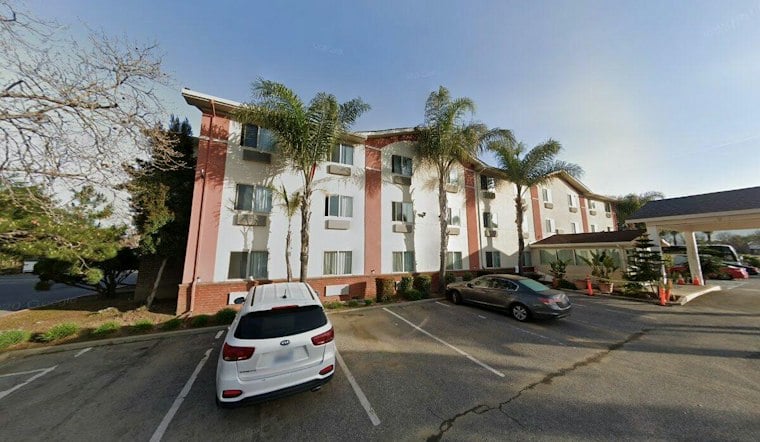
Gilroy's hotel tax hasn't moved since 1983, but that's about to change. Measure B, a ballot measure letting the city council raise the transient occupancy tax above its current 9% rate, had notched 65% voter approval as of Friday, comfortably clearing the simple majority it needed to pass.
The measure allows Gilroy's council to eventually push the tax as high as 13%, though the city's plan calls for a more modest first step. According to San José Spotlight, Gilroy City Administrator Matt Morley said the initial plan is to bump the hotel tax to 11%, a figure baked directly into the city's own paperwork. The City of Gilroy resolution underlying the measure sets the rate at 11% starting January 1, 2027, contingent on voter approval, with any further increase up to the 13% ceiling requiring a separate council vote at a public meeting.
Money is the obvious draw here. Gilroy could pull in an additional $300,000 in annual general fund revenue at the 11% rate, or $700,000 at 13%, per the Spotlight's reporting. The resolution's own ballot language frames the bigger number differently, stating the tax increase would provide $700,000 annually, paid only by hotel and lodging guests — a wording the city has not reconciled with the Spotlight's lower estimate tied specifically to the initial 11% step.
Who Actually Pays the Tax
The transient occupancy tax applies to guests staying in hotels, motels, short-term rentals and other qualified lodging within Gilroy, not to everyday shoppers or diners. Measure B does not increase sales tax on retail purchases or restaurant meals, the Spotlight's report notes, a distinction city officials have leaned on to frame the increase as visitor-funded rather than resident-funded. Morley has said Measure B would provide locally controlled funding for community services, paid for by visitors rather than Gilroy households.
The council passed the resolution sending the measure to voters at a regular meeting on May 4, 2026, and the measure also requires the city to produce an annual public report detailing the tax revenue collected, per the resolution's text. Morley has also said the 11% rate would remain among the lowest in Santa Clara County, comparable to what neighboring cities already charge.
How Gilroy Stacks Up Regionally
That comparison has some teeth. Morgan Hill sits at 11%, San Jose just raised its rate to 12%, and Los Altos, Milpitas and Palo Alto all charge the county's highest rate at 14%, according to the Spotlight. Unincorporated Santa Clara County charges 10%. Separately, the Gilroy Dispatch has reported the county average transient occupancy tax runs around 12%, based on city staff figures, and noted that some participants at a February 9 meeting argued a rate closer to Morgan Hill's 11% would be more appropriate than a bigger jump.
Gilroy's hotel tax history shows how rarely this rate moves. The city first established a 5% hotel tax in 1971 and raised it to 9% in 1983, where it has sat for more than four decades. At that 9% rate, the tax currently generates about $1.8 million annually for the general fund, and the Dispatch has reported that a 13% rate could push annual hotel-stay revenue up to $2.6 million.
A Councilmember's Push for New Revenue
Gilroy Councilmember Terence Fugazzi championed the Measure B initiative, consistent with a 2024 campaign built around finding new revenue sources for the city. He has said a scaled rate structure leaves the council able to raise the tax again later without going back to voters for another referendum. Fugazzi has also said the added revenue could pay for two additional police officers.
Not everyone in the hospitality industry is on board with going all the way to 13%. Ray Vasant, who owns Comfort Inn Gilroy, has asked the city to raise the tax only to 11% so his hotel remains attractive to south county tourists, warning that a 13% rate could put Gilroy hotels at a competitive disadvantage against nearby cities. He's said even a few extra dollars a night could push guests toward a city just 15 minutes farther away, and that travelers staying elsewhere could end up reducing Gilroy's tax revenue along with local retail, restaurant and fuel sales.
Vasant has urged the city to consult hoteliers and give the industry ample planning time before any move toward the 13% ceiling takes effect, noting that hotels collect the tax on the city's behalf. Still, he's said Gilroy hotels want the same things the city is promising to fund — well-maintained streets, strong public safety and visitors who keep coming back.
What Happens Next
Any future rate increase approved by the council would take effect no sooner than 60 days after that resolution is adopted, giving hotels a window to adjust before a higher rate hits guests' bills. For now, the path forward is the 11% rate beginning January 1, 2027, with the steeper 13% option left on the table for a later council decision rather than an automatic next step.





