

























































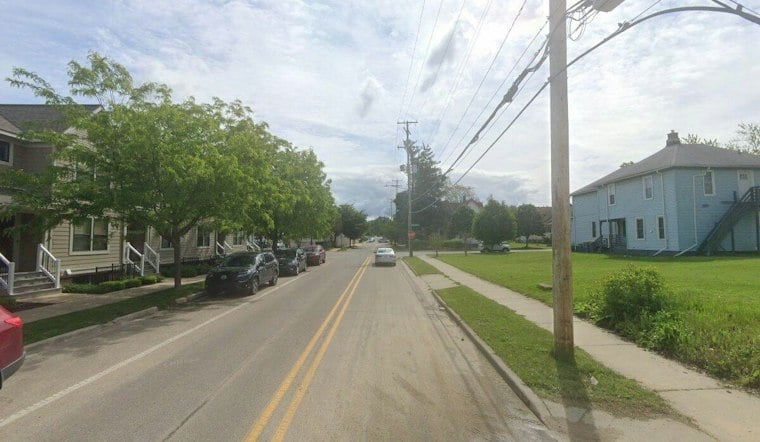
Ronald Davis was found not guilty Monday of felony murder in the 1985 stabbing death of Burnett Frierson, closing out a case that sat cold in Grand Rapids for nearly four decades before DNA technology pointed investigators his way. Frierson, 48, was found stabbed to death in his own home on Sheldon Avenue SE near Logan Street on September 4, 1985. Davis's trial began November 2 and lasted six days before the verdict came down.
At the time of the killing, according to WOODTV.com, police said signs at the scene pointed to a robbery, and blood droplets found in the home showed that someone had walked around after the killing. That trail of evidence went cold for decades until investigators entered DNA from those blood droplets into a national database. In August 2023, that database returned a match: Ronald Davis.
The break reportedly came about almost by accident. Police said Davis's arrest in an unrelated case led investigators to enter his DNA into the national Combined DNA Index System, or CODIS, as MLive reported. That entry triggered the match to the decades-old blood droplets, reopening a case that had gone unsolved since the Reagan administration.
Davis's Shifting Account to Investigators
Court documents filed in 2023 said Davis initially denied knowing Frierson or ever being inside his home when investigators questioned him about the stabbing. The same documents, per the station's report, said he then abruptly changed his story and admitted that he was present during the homicide.
In a recorded police interview, Davis went further, saying he was at Frierson's apartment during the killing but insisting another man committed the crime, according to the same MLive account of court filings. Davis was arrested and arraigned in December 2023, more than 38 years after Frierson's death, and the case moved toward the trial that concluded this week with his acquittal.
A Cold-Case Tool With a Track Record
A different method, forensic genetic genealogy, also helped solve the 1988 cold-case murder of Cathy Swartz in Three Rivers, per the station's earlier reporting on how Grand Rapids police found a suspect decades after Frierson's death.
Kent County Prosecutor Chris Becker has pointed to that broader momentum in cold-case work, saying he hoped to establish a dedicated cold-case unit, telling the outlet, “We ideally would like to have a cold case unit.” The Davis case illustrates both the promise and the limits of that approach: a DNA hit can finally name a suspect in a decades-old killing, but the case still centered on what happened inside a Grand Rapids home before Frierson was found dead on September 4, 1985.



