

























































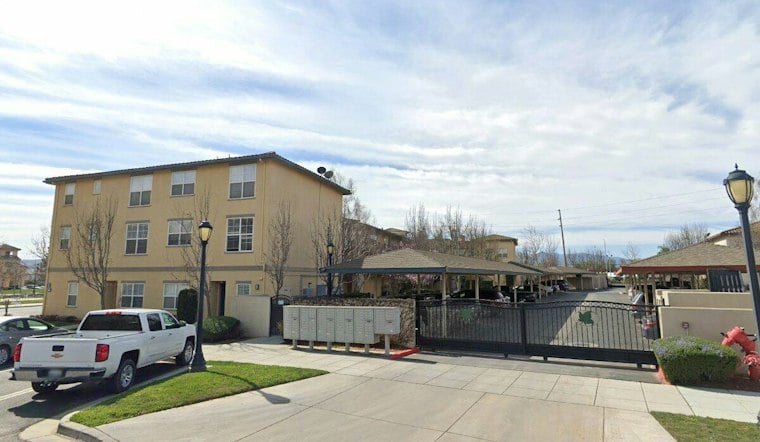
Greenfield has carved out a narrow exception to its year-old building moratorium, clearing the way for two affordable housing projects that were on the verge of losing their subsidized financing. The City Council voted unanimously to amend the freeze so that 100% affordable housing developments built by nonprofit developers can move forward, even while the broader pause on new construction remains in place.
The change, reported by the Monterey Herald, came after two nonprofit developers approached the city seeking relief. Both projects already have entitlements and are close to receiving building permits, but according to the Herald, they risked losing their subsidized loans if those permits weren't issued soon. City Council Member Belen Garcia put the stakes bluntly: if developers can't use the financing in time, she said, the project cannot proceed and Greenfield loses the chance to house people.
Garcia added that the amendment will help more people eventually move into affordable housing, and that the city needs this kind of development and wants others to build as well, the Herald reported. The exception, however, doesn't mean these units will be hooked up to city sewer lines anytime soon. City official Jennifer Thompson said neither project is expected to connect to the sewer system until after wastewater treatment plant upgrades are completed, per the same report.
Why Greenfield Froze Construction in the First Place
Greenfield's moratorium traces back to a wastewater system under serious strain. The city approved the building pause in August 2025, and it took effect the following June, according to the Herald's reporting. The Salinas Valley Tribune reported that Ordinance No. 575 temporarily suspends new building permits for any project that would require new wastewater connections or increase flows into the city system.
The numbers explain the urgency: the city's wastewater plant currently operates at a permitted capacity of about 1.2 million gallons per day, the Tribune reported. The planned improvement project is intended to nearly double that to 2 million gallons per day, a target KSBW reported must be operational by June 2030. The Herald, meanwhile, reported the upgrades are anticipated for completion in fiscal year 2029, while the KCBX had earlier reported the system wasn't expected to be completed until 2030 — timelines that haven't been reconciled across the coverage.
A History of Spills and Violations
The plant's track record has drawn regulatory scrutiny. The Central Coast Regional Water Quality Control Board has issued Greenfield notices of violation for overflows, according to Monterey County Now. In 2018, wastewater nearly reached the Salinas River, a spill that cost the city $170,000 in state fines, KCBX reported.
The system faces operational challenges and environmental concerns.
Paying for the Fix, and the Price of Waiting
Greenfield has already lined up major funding for the plant overhaul, including a $75 million grant from the California State Water Board and $36.3 million in State Revolving Fund loans, according to the Tribune. Total costs for the upgrades are estimated at $111.3 million.
Housing production, meanwhile, has become a sticking point under the moratorium. City staff have said the building freeze and rising construction costs are slowing development, particularly above-moderate housing, according to Citizen Portal. Citizen Portal reported that Greenfield has a 730-unit housing goal for its RHNA cycle.
What Happens to Other Projects Now
The exception applies to 100% affordable housing projects developed by nonprofits; the broader moratorium remains in place.
For now, the two nonprofit-backed affordable housing developments are positioned to pull their permits and break ground, even though hooking them up to the sewer system will have to wait for the treatment plant upgrades to materialize. How quickly that infrastructure work actually finishes remains an open question, given the differing timelines in circulation, but for the families counting on those units, the permit exception is the step that keeps the financing — and the project — alive.





