

























































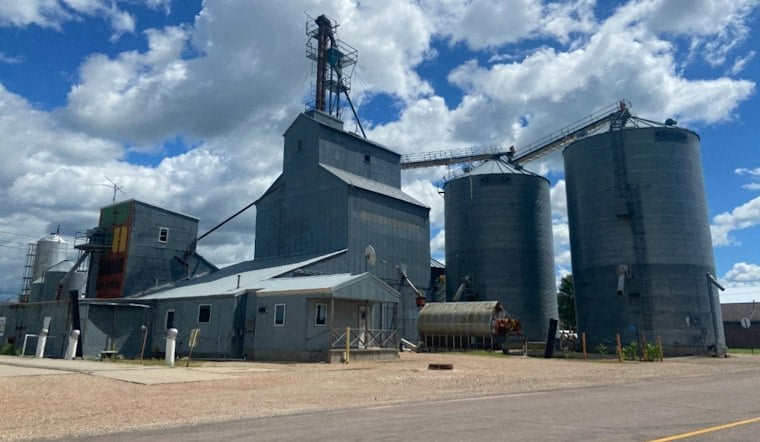
Members of the Farmers Cooperative Elevator Company of Hanley Falls have voted overwhelmingly to merge their cooperative into Meadowland Farmers Coop, with 96% approval setting the stage for a combined operation projected to post $600 million in sales across 21 Minnesota communities once the deal takes effect on March 1, 2027.
The vote means the Hanley Falls cooperative will be absorbed into Meadowland, which is headquartered in Lamberton, according to farmerscoopelevator.com. Because the existing Hanley Falls entity is the one being folded into the larger cooperative, only its members cast ballots on the proposal, as Meadowland Farmers Coop explained when the two sides first announced their intent to combine. The West Central Tribune reports the two cooperatives first announced they were exploring the merger in August.
Under the deal, the combined cooperative will be governed by a 10-member board of directors, and Darin Abel — Meadowland's current general manager — will remain in that role for the merged entity, according to the Marshall Independent. Per the same account, Meadowland currently operates nine grain elevators while Hanley Falls has seven, and Abel said combining the two will let the cooperative access different markets and focus on rail lines with better freight rates.
Why Two Co-ops Decided to Become One
Hanley Falls reported it is in good financial standing, though the West Central Tribune notes the cooperative has not paid patronage dividends to members for a few years because of high costs. The cooperative pointed to Meadowland's broader range of services as a key draw: FCE has focused mainly on grain, with seed and feed divisions, while Meadowland brings agronomy, energy, electric and grain-bin services into the mix, per the Marshall Independent's reporting.
FCE Board Chairman Adam Gorecki framed the appeal in terms of diversification. “Meadowland brings that diversification with 8 different divisions, especially their agronomy and energy assets,” Gorecki said, according to Meadowland Farmers Coop. Meadowland Board Chairman Brian Hicks said the merger improves access to world markets through shipping on different railroads and expands the cooperative's geographical footprint, per the West Central Tribune.
The combined cooperative is planned to operate four 110-car shuttle loaders, giving it access to ship grain on every major railroad serving Minnesota, according to Meadowland Farmers Coop. Hanley Falls' Montevideo site sits along the Twin Cities & Western Railroad, which connects to the BNSF Railway, Union Pacific and Canadian Pacific lines — the latter offering delivery as far as Vancouver, British Columbia, per the West Central Tribune. The cooperative invested $19 million in that 110-car loading facility in 2015, installing two 750,000-bushel storage bins and fast-loading systems, while its Hanley Falls operation includes a separate unit train loading facility on the BNSF line.
Where the Merged Cooperative Will Operate
Before the merger, Hanley Falls was headquartered in Hanley Falls with additional locations in Cottonwood, Echo, Minneota, Minnesota Falls, Montevideo and Taunton, according to Meadowland Farmers Coop. Meadowland, described as a diversified farm supply and grain marketing cooperative offering grain marketing, feed, agronomy, energy, repair and tire services, electricians, and grain-bin and dryer services, has branch locations in Avoca, Belview, Clements, Delhi, Echo, Redwood Falls, Russell, Sacred Heart, Sanborn, Storden, Vesta, Wabasso, Walnut Grove and Westbrook, per the West Central Tribune. The boards of both cooperatives concluded that unification is in the best interest of both organizations, their patrons and their employees.
Part of a Broader Wave of Co-op Consolidation
The Hanley Falls-Meadowland combination is one example of a trend playing out nationally. USDA data shows the number of U.S. farmer, rancher and fishery cooperatives fell to 1,620 in 2024, down from 1,647 the year before — a drop of 27 — with the agency identifying mergers as USDA the major cause. The agency said cooperatives are combining to gain economies of scale, boost efficiency, expand regional reach and better position themselves for future growth. Minnesota remains a major player in that landscape, ranking second nationally in cooperative net sales volume at $24.1 billion across 174 co-ops in 2024, according to USDA figures.
Similar consolidations have unfolded elsewhere in farm country. Keystone Cooperative, which operates 245 facilities across Indiana, Ohio and Michigan, and Caledonia Farmers Elevator, with five locations in west and central Michigan, advanced their own merger to a member vote after a three-month due diligence process and unanimous approval from both boards, according to World Grain. In Nebraska, members of Farmers Ranchers Cooperative approved a merger with Central Valley Ag by an 88% majority, with the unified cooperative retaining the Central Valley Ag name and headquarters in York, per Co-operative News.
For now, Hanley Falls members are left watching their longtime local cooperative — incorporated on January 1, 1998, according to the Minnesota Grain and Feed Association — prepare to become one piece of a much larger operation when the merger takes effect on March 1, 2027.




