

























































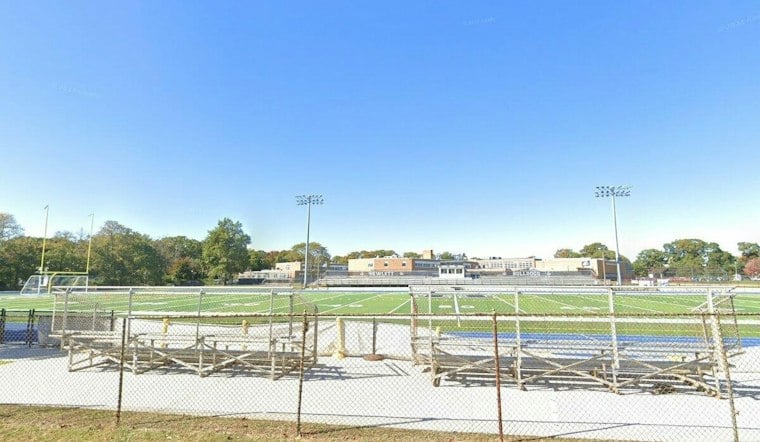
Hewlett-Woodmere school officials overestimated how much money they needed and padded the district's rainy-day funds even as property taxes climbed, according to a new audit from the New York State Comptroller's Office. The audit found that district budgeting potentially caused property taxes to be higher than necessary. The Five Towns-area district had separately considered ways to trim its proposed tax levy for the 2025-26 school year, in a budget discussion reported in March 2025.
The audit, released by Comptroller Thomas DiNapoli's office, found that the school board and district officials did not properly manage fund balance and reserves and did not present their surplus or budget to taxpayers transparently, according to Newsday. Auditors said the cumulative difference between what the district budgeted and what it actually spent totaled roughly $69.2 million, a gap that, per the audit, reflects years of appropriations that didn't match the district's real financial picture. A secondary account of the same audit, published by Public Personnel Law, quotes the finding directly: “The board and district officials did not properly manage fund balance and reserves.”
Auditors pinned the gap on a familiar mix of budgeting habits. The same blog post quotes the audit as saying district officials overestimated appropriations, appropriated fund balance that wasn't needed, made unbudgeted transfers to reserves and maintained excessive reserve balances — and that, as a result, “they developed and presented budgets to taxpayers that did not accurately reflect the district's financial needs.”
Reserves Topped $74 Million as Taxes Rose 8 Percent
By the numbers, the district's reserve fund balances averaged $70.4 million during the audit period and reached $74 million by the end of the 2023-24 fiscal year, according to the New York State Comptroller's Office. The district's general fund balance totaled $78.2 million as of June 30, 2024, per the report cited by Newsday, and nearly $24 million of that was set aside specifically for retirement contributions — enough, auditors found, to cover about 14 years of expenses. Over roughly the same stretch, Hewlett-Woodmere property taxes increased by approximately $8 million, or 8 percent, according to the audit.
The Comptroller's Office found that real property taxes may have been higher than necessary as a result of the district's budgeting practices, and that excessive reserves burden taxpayers and withhold funds from potentially more beneficial uses. Auditors made five recommendations, including that the district budget based on more reasonable estimates and strengthen its policies governing the use of reserves. The district has initiated corrective action, Newsday reports, even as it disagrees with parts of the audit's findings.
Superintendent Pushes Back on the Findings
District Superintendent Dina M. Anzalone said the audit was incomplete and maintained that Hewlett-Woodmere is in a strong financial position. She said the district properly planned for unexpected costs and saved taxpayers money in the process, and argued that a healthy reserve is necessary for contingencies such as litigation and rising special-education costs. Anzalone said school-year variables can arise that nobody anticipated, and that the district has not needed to slash programs or lay off teachers.
“I do not believe that we overtaxed taxpayers. I don’t believe that we were hoarding their money on the side. Not like the money was disappearing,” Anzalone said, according to Newsday's account of the audit. The district serves about 3,000 students across five schools and covers communities including Hewlett, Woodmere, Hewlett Bay Park, Hewlett Neck, Hewlett Harbor, Lynbrook, Woodsburgh and Valley Stream — among them Ogden Elementary School on Longview Avenue in Valley Stream, which serves 386 students in grades 2-5.
A Pattern Stretching Back Nearly a Decade
This isn't the first time state auditors have flagged Hewlett-Woodmere's reserve practices. A 2017 Newsday report found the district had accumulated more than $30 million in excess cash reserves, after overestimating costs for special education, teacher salaries and other obligations by a combined $31.1 million between the 2012-13 and 2014-15 school years. That earlier audit found the district had overfunded nine separate purpose-specific reserve funds by almost $30.5 million, with year-end fund balances running well above the 4 percent legal limit reported at the time.
Comptroller's Office spokeswoman Rebecca Dangoor said similar unrealistic budgeting and reserve-management findings have turned up in other school district audits statewide, including a 2024 review that criticized the Merrick district for appropriating unneeded money and overfunding reserves, as well as audits of the Haverstraw-Stony Point, Newburgh and Williamsville districts. A separate search snippet from the Comptroller's Office, describing a financial-management audit of the Haverstraw-Stony Point Central School District, notes that officials there similarly overestimated certain appropriations and underestimated certain revenues. Dangoor said the pattern was not a systematic statewide practice, but stressed that officials should balance saving for future expenditures against avoiding unnecessary taxation.
District Weighed a Lower Tax Levy in 2025
In March 2025, Hewlett-Woodmere's board was looking for ways to shrink its tax-levy increase for the 2025-26 school year. The district's proposed tax levy came in at $111,047,087, a 2.27 percent increase over the current fiscal plan, according to the LI Herald. Board Vice President Cheryl May said she felt the board should be targeting a levy increase closer to 1.95 to 1.97 percent, “if not even lower,” while Board President Debra Sheinin said the board would need to find $400,000 to hit that 1.95 percent goal. Trustees have floated administrative cuts as a way to reach roughly a 2 percent levy increase without touching student services or dipping into reserves, the outlet reported.





