

























































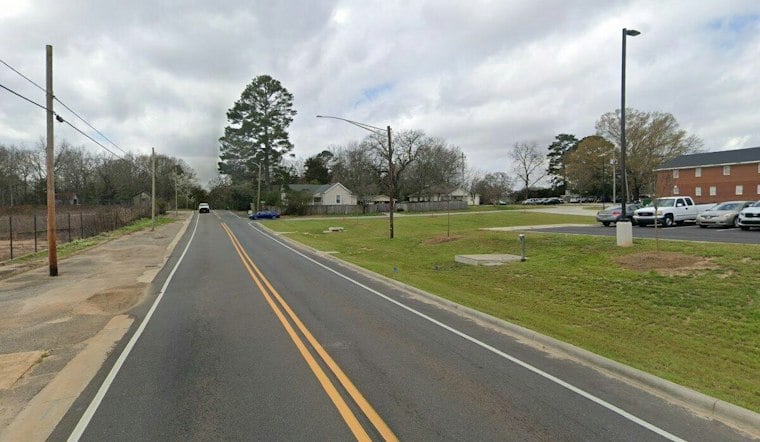
Holland Homes has broken ground on The Mill, a mixed-use residential development rising on a historic site in Opelika, Alabama, that once anchored the city's textile economy. The project is planned to bring homes, storefronts, restaurants and entertainment spaces to the grounds, with construction kicking off first with office space rather than housing.
According to WTVM, Holland Homes broke ground on the mixed-use residential development at the historic Opelika site this week. The company plans to develop homes, storefronts, restaurants and entertainment spaces on the land, with founder Daniel Holland describing The Mill as a mix of downtown college vibes and upscale membership.
Holland said the development is intended to be more than just housing and commercial space — it is meant to serve as a gathering place. The Mill is designed for young children, families and friends to gather and share meals and evenings, he said, and the site will include a stage for ongoing entertainment. Holland also said parking and traffic will be located outside the development itself, keeping the core walkable.
Office Complex Comes First, With Holland Homes Moving In
Rather than starting with homes, construction at The Mill will begin with a 32,000-square-foot office complex. Holland Homes plans to move its own headquarters into that building, and the office space is expected to give other businesses room to access the resources they need to succeed at The Mill. The company will develop the rest of the land in phases over the next three to five years, the same report notes.
Planning for The Mill reportedly began more than five years before this week's groundbreaking, per the WTVM report. Architecture firm Nequette has described the project as a neighborhood organized around walkable, human-scaled streets and shared spaces, with design drawing on Opelika's working heritage.
City and Business Leaders React to the Groundbreaking
Opelika Chamber of Commerce CEO Ali Rouch said the development honors Opelika's builders and opens opportunity for the next generation, adding that for many local families, the site is where their story in Opelika began. Opelika Mayor Eddie Smith said he looks forward to the development and anticipates further ribbon cuttings as it progresses.
A Mill Site With a Long and Contested History
The ground beneath The Mill carries decades of local history. Planned features for the new development include greenspace for kids and families alongside restaurants, homes and entertainment, but the site's own past stretches back more than a century. Sources differ on exactly when the original mill began operating: WTVM's reporting on this week's groundbreaking states Pepperell Mill opened in the 1920s as a cotton mill village complete with homes, a movie theater and a school on First Avenue in Opelika, while a separate 2025 WTVM report described it as a cotton mill that opened in 1926.
The mill's closing date is similarly disputed. The groundbreaking coverage and the 2025 WTVM article both point to 2006 as when Pepperell Mill shut down, but the Opelika Observer's history of the site states the mill closed in 2007. The Pepperell Mill and Village earned a spot on the National Register of Historic Places in 2014, according to al.com, cementing its status as a landmark of the city's industrial past even as its future use has shifted over the years.
Years of Planning Preceded This Week's Groundbreaking
Local land-use records show the Mill Property has been the subject of planning discussions for years. An earlier proposal for the property described a mixed-use development that would include housing, office space, commercial space and an outdoor stage, according to oanow.com. The Opelika Planning Commission at one point agreed to increase the lot size for proposed single-family homes to 50 feet in width, and that earlier plan also included townhomes extending down Cunningham Drive, per the same outlet's reporting.
Separately, a 2025 WTVM report described a proposal from Opelika Mill Holdings LLC to redevelop a 42-acre Pepperell Mill site into a mixed-use community valued at $125 million, with plans that included 327 family homes and luxury townhomes alongside coffee shops, restaurants and office space. That same report quoted city estimates suggesting the project would take at least 10 years to complete.




