

























































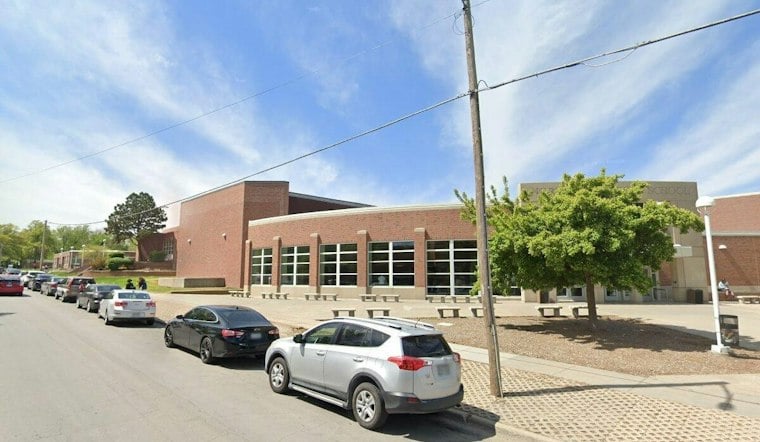
Daniel Holmberg, 63, of Lincoln, was sentenced to four years in prison and two years of post-release supervision after pleading no contest to two counts of third-degree sexual abuse by a school worker. The court credited him with one day served, 1011 Now reported. The sentence is the criminal outcome; Nebraska’s process for suspending or revoking an educator’s certificate is separate.
The plea agreement changed the charges: two second-degree counts were amended, and prosecutors dismissed two third-degree counts, according to 1011 Now’s report on the plea. Holmberg pleaded no contest to the two remaining counts and was found guilty. The four-year prison term was the maximum for those counts, which involved allegations by four students, the Omaha World-Herald account said.
Holmberg was placed on leave on Dec. 2, 2025, after four female students came forward, the Omaha World-Herald account said. Prosecutors said some incidents occurred in a classroom in front of other students and that one student recorded multiple incidents. At sentencing, Deputy Lancaster County Attorney James Morris argued Holmberg targeted students he considered vulnerable and unlikely to report the conduct. Holmberg apologized to the students and their families; Judge Lori Maret said she did not see acceptance of the criminal conduct and concluded prison was necessary, according to the account. The defense had sought probation.
Criminal sentence and certificate status are distinct
Nebraska law allows the State Board of Education to suspend or revoke a teacher’s certificate for just cause, including a felony conviction. The statute does not establish whether the board has acted regarding Holmberg, according to the Nebraska Legislature. A conviction therefore does not, by itself, tell readers what licensing decision has been made in this case.
The Nebraska Department of Education says its public certification-investigation records include disciplinary orders and reprimands involving certificate holders, as well as voluntary certificate surrenders. Its guidance also says state law requires schools to adopt professional-boundaries policies with procedures for reporting unacceptable conduct to administrators, the department, the Department of Health and Human Services and law enforcement. The guidance describes potential reporting duties to the Commissioner of Education, the Child Abuse and Neglect Hotline and law enforcement as separate from the federal prohibition on aiding and abetting. Those rules do not establish what reports were made in Holmberg’s case. See the department’s public disciplinary-action records and sexual-misconduct guidance.
A separate Nebraska case illustrates the licensing process
In a distinct case involving former Bellevue and Gretna educator Bradley Nord, KETV reported that Nord admitted to a sexual relationship with a student from fall 2011 through spring 2013 and that the State Board of Education revoked his teaching certificate. He was not criminally charged because the statute of limitations had expired, KETV reported. The cases differ in their facts and criminal outcomes; Nord’s case is an example of a licensing action, not evidence of what the board will decide about Holmberg.





