

























































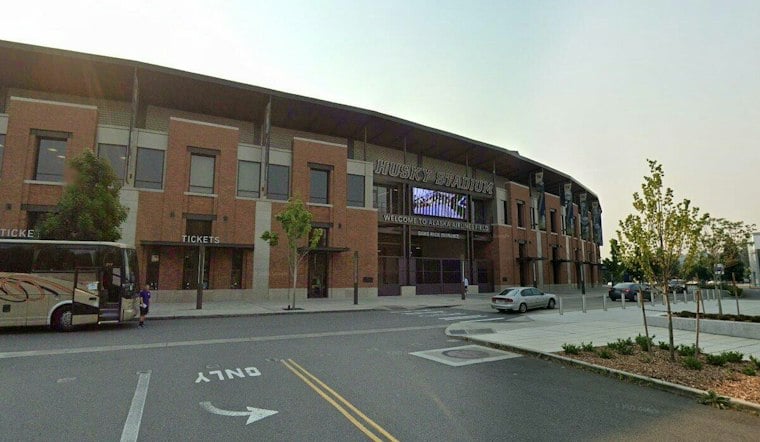
Husky Stadium is on track to become Columbia Bank Stadium under a reported 10-year, $70 million naming-rights agreement between the University of Washington and Columbia Bank, pending approval from the UW Board of Regents. If finalized, it would mark the first corporate sponsorship in the stadium's 126-year history.
The agreement, first reported by The Seattle Times, cites a source with knowledge of the deal and values it at $70 million over a decade. According to Sports Business Journal, the arrangement is a “record 10-year, $70M deal for stadium naming rights,” and the outlet calls the $7 million annual average the largest football stadium naming-rights partnership in college sports history. A separate report from onmontlake.com similarly describes it as believed to be the most valuable stadium naming-rights deal in college football.
Pending sign-off from the Board of Regents, Husky Stadium would be known as Columbia Bank Stadium, per Sports Business Journal's reporting. The university's athletics department expects to generate more than $100 million combined from the football stadium and basketball arena naming-rights agreements over the next 10 years, according to the Seattle Times report.
Alaska Airlines Steps Back From Stadium Branding
Husky Stadium's new corporate identity comes after Alaska Airlines declined to renew its naming-rights agreement for the stadium this year, per the Seattle Times. The airline had previously held naming rights only to the stadium's field — not the full stadium — a distinction onmontlake.com notes applied to the Alaska Airlines Field at Husky Stadium branding that ran from 2015 through June 2026. Sports Business Journal reported in March that UW was taking the Husky Stadium naming rights to the open market as it searched for a new partner.
Alaska Airlines first purchased naming rights for Alaska Airlines Field at Husky Stadium and Alaska Airlines Arena in 2015. The value of that original deal is reported differently across sources: Sports Business Journal puts the 2015 agreement at $42 million over 10 years, while University of Washington Athletics described it at the time as “a total of $41 million over 10 years.” That original agreement made Alaska the naming-rights holder for Alaska Airlines Field at Husky Stadium and the University of Washington Athletic Village, while also continuing its naming rights to Alaska Airlines Arena.
Basketball Arena Deal Renewed Separately
Even as the stadium partnership changed hands, Alaska Airlines extended its relationship with UW's basketball venue. The airline renewed its naming-rights agreement for Hec Edmundson Pavilion in March 2026, according to the Seattle Times, with that 10-year deal valued at $28 million. UW Athletics announced the renewal on March 13, 2026, confirming it would continue Alaska's naming rights to Alaska Airlines Arena at Hec Edmundson Pavilion — extending a partnership that Sports Business Journal reports began in 2011.
Here, too, the reported dollar figures diverge slightly. Sports Business Journal cited the arena renewal at $28.4 million over 10 years, while onmontlake.com put the same agreement at $28 million over the same term. Both figures nonetheless point to a sustained, multi-venue sponsorship relationship between Alaska Airlines and the university even as its stadium branding ends.
What Happens Next
Any final rename hinges on university governance, with Board of Regents approval still pending. The reported Columbia Bank deal is for 10 years.
onmontlake.com reported that the Board of Regents was expected to consider the agreement at a Thursday meeting, with a press conference announcing the partnership scheduled for that afternoon pending approval. University of Washington meeting records list a Board of Regents meeting for Thursday, November 12, 2026. The Seattle Times report was written by staff reporter Andy Yamashita.





