

























































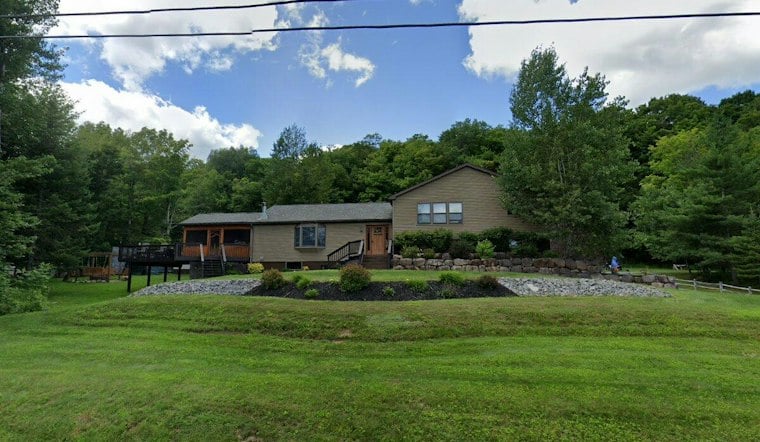
New York's Appellate Division, Fourth Department, ruled on Friday that Utica First Insurance Company must defend Ratava LLC, the operator of the Tow Bar Inn, in a lawsuit brought by a patron who alleged injuries on the premises. The insurer had refused to defend the bar, pointing to an assault and battery exclusion in its commercial policy, but the court found that argument didn't hold up against what the patron actually wrote in the complaint.
According to the Times of India, the patron sued the bar for negligence, and the complaint included claims about premises maintenance but did not mention any altercation. That distinction turned out to matter a great deal. The court held that the duty to defend had to be determined by examining the allegations within the four corners of the underlying complaint, not by whatever the insurer believed actually happened on the ground.
Why The Complaint's Wording Decided The Case
Utica First reportedly tried to lean on its own investigation into what happened at the Tow Bar Inn, apparently believing the incident stemmed from an assault rather than ordinary negligence. The appeals court rejected that approach, ruling the insurer could not rely on its own investigation to avoid its duty to defend when the complaint alleged potentially covered negligence. In other words, because the patron's lawsuit framed the injury as a result of negligent upkeep rather than a fight, Utica First was on the hook regardless of what it thought the facts showed.
As Wisevoter notes, this reflects New York's long-standing four-corners rule, which courts apply to commercial liability policies carrying assault and battery exclusions. Under that framework, businesses can end up with a defense obligation triggered simply by how a plaintiff's attorney chooses to phrase an injury claim, even if an insurer suspects something else occurred.
Bar Owner Gets To Pick Its Own Lawyer
The appeals court didn't stop at ordering a defense. It also ruled that Ratava was entitled to hire an attorney of its choice because the insurer's interests conflicted with those of the business, and that Utica First must pay the reasonable and necessary legal fees of the bar owner's chosen lawyer, along with related costs. That outcome reflects a broader principle that insured businesses in New York may select their own counsel once an insurer's interests diverge from the policyholder's.
Procedurally, the Fourth Department modified the lower court's order to grant Ratava partial summary judgment on its right to a defense and independent counsel, while the remaining portions of the lower court's order were affirmed. The underlying personal-injury dispute, meanwhile, is still working its way through the courts — the coverage ruling settles who pays for the bar's lawyer, not who ultimately wins or loses the patron's injury claim.
How This Fits Other Utica First Disputes
This isn't the first time Utica First has tangled with bar owners over assault exclusions, and the outcomes have gone both ways. In NHJB, Inc. v. Utica First Insurance Co., the same Fourth Department ruled in 2020 that the insurer was not obligated to defend or indemnify Molly's Pub and Norman Habib, concluding those claims arose from a bar manager's assault, according to Justia. In Handlebar, Inc. v. Utica First Insurance, an appellate panel went the other direction procedurally, reversing a lower-court order that had directed the insurer to defend the bar owners, per CourtListener.
More recently, New York's Appellate Division, Second Department, affirmed in 2024 that a lower court properly denied dismissal of 88-18 Tropical Restaurante Corp.'s declaratory-judgment claim against Utica First, per Justia's case record. Insurance coverage fights involving Utica First have also surfaced outside the bar-and-assault context — the Fourth Department separately affirmed summary judgment in a dispute over basement water damage from a ruptured sprinkler line, finding the policy's water exclusion applied regardless of whether the damage was caused by an act of nature, according to the New York Daily Record.
Taken together, these rulings underscore a pattern New York courts keep returning to: businesses may receive insurer defense when a complaint alleges negligence that may be covered, even if an exclusion is claimed, but that protection hinges entirely on how the underlying complaint is worded. For bar and restaurant owners carrying similar commercial policies, the Tow Bar Inn ruling is a reminder to review how their own policy exclusions might apply to the specific allegations a future plaintiff could raise.




