

























































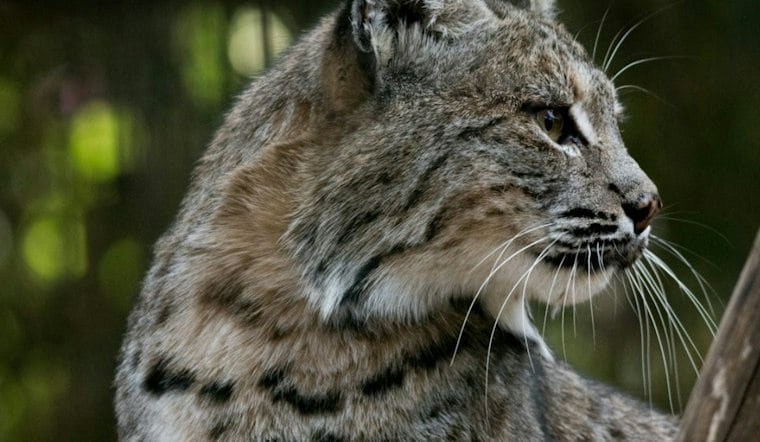
Iowa wildlife regulators are moving to let trappers pursue bobcats in every county in the state, not just in southern Iowa, where the animal has long been legally harvested. The Iowa Natural Resource Commission has begun the rulemaking process that would open the remaining northern counties to bobcat trapping for the first time, while keeping the statewide seasonal limit at three cats per hunter.
According to Radio Iowa, the proposed rules would allow a trapper to take only one bobcat out of each newly opened northern county, with the three-cat statewide cap still applying for the season. That's a change from how the harvest currently works in southern Iowa, where hunters can take all three of their allotted bobcats out of a single county.
DNR furbearer biologist Vince Evelsizer said the tighter per-county limit for the new territory is meant to protect populations that haven't been hunted before. The conservative cap is designed, in his words, to keep bobcat numbers in newly opened counties stable even as the animals become fair game across the rest of the state.
A Population Rebuilt From Nothing
Bobcats vanished from Iowa in the late 1800s and early 1900s before the population returned in the 1990s, according to the station's report. The comeback started in southern Iowa, and Evelsizer said current indications show the bobcat population is flourishing in most parts of the state today. Despite several years of heavier harvest rates in the south, the population there remains stable or even slightly increasing, per the same account.
That expansion has been building for years. Back in 2021, a DNR wildlife specialist told Radio Iowa that the state continued to see nice growth and expansion of the bobcat population moving from south to north through suitable habitat in eastern Iowa. That year's proposal added Delaware, Dubuque and Jones counties to the harvest zone, each allowing one bobcat per fur harvester — a smaller-scale version of the approach now being floated statewide.
Iowa's bobcat hunting season dates back further than that. KHAK reported that the state introduced a limited bobcat season in a handful of southern counties in 2007 and added Jackson County to the list in 2018. A wildlife survey cited in that same report estimated Iowa's bobcat population at somewhere between 5,000 and 8,000 animals at the time.
Showing Up in Suburbs and Chicken Coops
The DNR's own 2023-24 furbearer report notes that confirmed bobcat sightings had already been recorded in 44 counties by the early 2000s, concentrated primarily in southern Iowa and along the Mississippi and Missouri rivers, according to Iowa DNR data. The animals have since pushed further into unexpected territory — the station's report notes they're now being seen in urban areas, including greater Des Moines and other Iowa towns.
Wildlife officials say the cats largely keep to themselves, hunting rabbits, squirrels and other rodents, though they occasionally raid chicken coops. Evelsizer's account describes bobcats as having caused no major issues in Iowa overall. Two years ago, the DNR eased off collecting bobcat and otter samples altogether, reasoning that both species appeared to be doing well, the station reported at the time.
The push to open the rest of the state didn't come from inside the agency alone. Hunters, trappers and members of the public have been requesting that the remaining counties be opened as more bobcats were spotted, and Evelsizer said people have been asking for three years why more bobcat harvest isn't allowed.
How to Weigh In Before the Deadline
The window for public input is narrow. The Iowa DNR will accept comments on the proposed changes through Tuesday, November 17, and a public hearing is scheduled that same day from 1 to 2 p.m. at the DNR offices on Park Avenue in Des Moines. The rulemaking process is set to proceed after that public input is gathered, per the agency's account relayed by Radio Iowa.
Separately, a notice of intended action filed with the Iowa Legislature lays out season dates for taking bobcats, with the season opening the first Saturday in November and closing once the quota is reached or on January 31, whichever comes first. It remains unclear whether those dates would apply to the new statewide expansion once finalized.




