

























































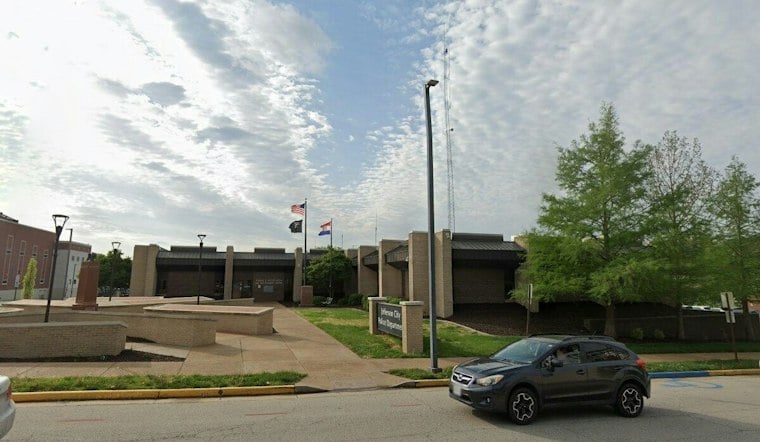
Jefferson City voters narrowly approved an additional quarter-cent public safety sales tax, pushing the city's public safety rate from 25 cents to 50 cents per $100 in taxable purchases. The measure passed 8,020 votes to 6,382, according to vote totals reported by Cole County Clerk's office records. The increase bumps Jefferson City's overall sales tax rate from 7.85% to 8.1% and is set to take effect April 1, 2027.
The win comes after months of warnings from police and fire union leaders that staffing levels had grown dangerously thin. As reported by KOMU 8, the Jefferson City Council approved a non-binding agreement with the city's police and fire unions before the election, and the council retains final authority over how the new money is actually spent. The additional revenue could support salaries and benefits, equipment, facilities, and 911 operations, per that same report.
Why the Tax Was on the Ballot
The push for more funding followed stark testimony about who is left to answer calls. Police union president Detective Jason Ambler said the department is down 18 officers, according to KBIA. Firefighters' union president James Noah told the station that the department's applicant pool has collapsed, saying, “We used to get upwards of 200 to 300 applicants. Now we're roughly getting 40 applicants or so.”
Pay comparisons help explain the recruiting trouble. KBIA's reporting noted a starting Jefferson City police salary of $53,345, compared with $53,487 for Capitol Police and $60,611 offered by the Columbia Police Department. The fire union president separately told the Jefferson City News-Tribune that the department lost about 25 to 27 percent of its suppression personnel over the prior two years, according to a News-Tribune report ahead of the vote.
Where the Money Is Supposed to Go
Under the agreement negotiated before the election, the police department will receive 55 percent of the new revenue and the fire department will receive 45 percent, the News-Tribune reported. City officials framed the tax as a way to maintain staffing and equipment needs for at least the next decade, per the same outlet's coverage. The newspaper also reported the measure was intended to increase salaries and fund some major equipment purchases, though it excludes large construction projects.
Revenue estimates varied depending on which report and timeframe is cited. The seed reporting from KOMU 8 put the expected annual haul at about $3.625 million, while an earlier News-Tribune article projected roughly $3.4 million in the measure's first year. City finance officials had also projected a $418,000 shortfall in public safety sales-tax revenue for 2027 under the old rate, saying existing tax revenue had not kept pace with rising equipment, maintenance and employee-raise costs, according to the News-Tribune's budget coverage.
A Decade-Long Fiscal Picture
City projections cited by the News-Tribune assumed annual salary increases of 5 percent, 10 percent annual increases in health insurance costs, and 5 percent annual increases in employee benefits going forward. Even with the new tax, a fiscal analysis found annual operating expenses would begin to outpace annual revenue around 2033. Missouri law requires that revenue from this type of tax be placed in a special trust fund and used solely for improving public safety in the city while the tax remains in effect, according to the Missouri Revisor of Statutes.
Tuesday's vote marks a much tighter outcome than the city's last public safety tax request. In 2021, 69.8 percent of Jefferson City voters approved a quarter-cent sales tax for public safety, according to KRCG. This year's measure cleared with a narrower margin, closer to the razor-thin result in Columbia, where voters passed their own public safety sales tax in August by a margin of just under 0.28 percent of the vote, per KBIA's reporting.
Mixed Results Across Mid-Missouri
Not every public safety tax measure on the regional ballot succeeded. Boone County voters rejected Proposition L, a proposed 3/8-cent sales tax that would have funded a new county jail, with nearly 60 percent voting against it, according to ABC17 News. That measure drew 39,178 “No” votes against 26,333 “yes” votes out of 65,511 total votes counted, the station reported.
For Jefferson City, the approved increase now heads toward implementation next spring, with the city council holding the final say over how the new dollars are divided among salaries, equipment, facilities and 911 operations. The vote totals reported Tuesday were based on records from Cole County's election results page, which labeled its report an unofficial turnout and abstract as of the vote count.




