

























































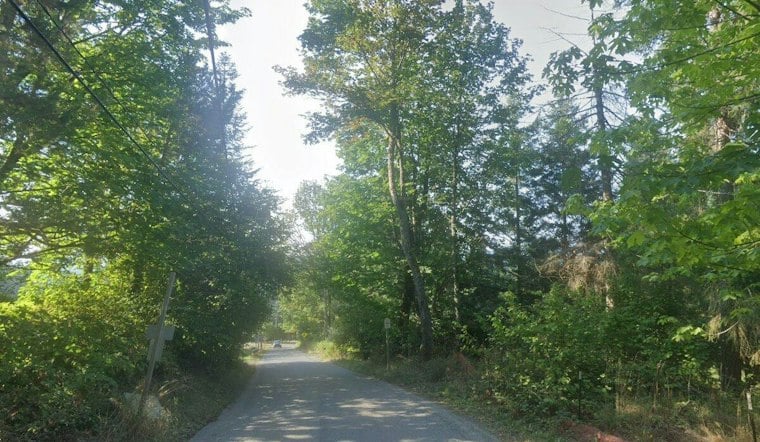
King County and the Snoqualmie Indian Tribe have bought separate pieces of the Tokul trail network outside Fall City, dividing a timber tract that mountain bikers and horseback riders have long ridden as one place. The county paid $6.75 million for Parcel B, 475 acres known as Tokul West. The tribe paid a combined $3.65 million for Parcels C and D, about 603 acres known as Tokul East.
The split, documented on Oct. 30 and Nov. 4 and reported Nov. 16 by The Seattle Times, leaves the largest parcel unsold and puts two owners on ground that borders the Snoqualmie Valley Trail. On the west side, the county has named trails it intends to keep open without a recreation fee. On the east side, the old recreation permit is already off the land, and the riding future is not.
An Auction the County Almost Missed
J.P. Morgan Natural Capital auctioned 4,833 acres outside Fall City in June, split into four parcels. A June account of the sale, preserved by the auction firm, described Campbell Global unloading that timberland as the Twin Peaks Forest Portfolio, with a published reserve price of $42.8 million and bids due Aug. 5. The same account said the portfolio hosted 43 miles of multiuse trails known as Tokul, and that a buyer could build up to 30 houses and harvest upward of 26 million board feet, though much of the land was already tied up in conservation easements.
King County had tried to buy Tokul parcels in the early 2000s. This time it had three months. County Councilmember Sarah Perry urged the Department of Natural Resources and Parks to move as soon as the auction was announced. Mo McBroom, of that department, said the sale forced a scramble: government auctions are not how the parks shop usually buys land, and a county acquisition can take more than a year.
The county learned on Aug. 11 that it had not won. On Sept. 9 it was asked to resubmit its bid. A J.P. Morgan Natural Capital spokesperson declined to comment on the first winning bid and on why that deal fell through. Three of the four parcels have since sold. Parcel A, 3,795 acres listed at $33.7 million, has not.
Perry expressed interest in preserving the land.
Six Miles, Fifteen Trails, No Fee
Tokul West appraised at $4.85 million, Perry said. The county's $6.75 million bid ran nearly $2 million above that figure. The money came from the King County parks levy, which voters reapproved in 2025. Sam Jarrett said the county shifted funding from projects that were already at a standstill. The West purchase did not delay or cancel other planned land acquisitions.
The county has identified six miles of Tokul West trail to remain open to the public without a recreation fee, and it says access will stay unchanged on 15 named trails. Those include the intermediate singletrack routes Bobsled, DIY and Pink Beaver, and Tokyo Drift, an expert line. The Times described a 17-mile multiuse network outside Fall City, a tighter count than the 43 miles the June portfolio listing attached to the whole timber sale. Trails that still cross remaining J.P. Morgan Natural Capital holdings will need a separate negotiation with that landowner.
A conservation easement is set to remove Tokul West's development potential, including the chance a buyer could have built up to 30 homes there. McBroom put the current market value of those development rights at $1.5 million. The rights are to be sold to developers who buy permission to build higher in urban areas, through a transfer-of-development-rights program the county plans to join. County Executive Girmay Zahilay called the purchase a generational achievement for land conservation. The county's larger target is 65,000 acres of open space within 30 years.
Horseback rider Holly Sato said county ownership creates room for organized trail maintenance, and that it could protect recreational access and allow future trail work. Evergreen Mountain Bike Alliance could not work on the land while it was private. It can now contribute signage, mapping and possible future construction.
The East Side Permit Comes Off
Evergreen reported that the tribe bought Parcel C, 287 acres, for $1.75 million from Twin Peaks Timber, LLC, effective Oct. 30, and that the two East purchases together total about 603 acres and $3.65 million. Effective that day, parcels tied to the recreation license, including C and D, were no longer part of the permit area. On Nov. 5 the alliance said the parcels were no longer part of the permit area.
On Nov. 9, signs appeared where Lower Midtown, PNWheel and East Climb meet the Snoqualmie Valley Trail. The Times reported that Tokul East trails were closed to the public for now and that another seven miles in tribal ownership had been closed. It also reported that their future is unknown. A tribal spokesperson declined to comment on the signs or on any trail plan.
Snoqualmie Tribal Chairman Robert de los Angeles said Tokul is culturally important to the tribe and sensitive within the Snoqualmie River watershed. He encouraged visitors to recreate respectfully on Snoqualmie ancestral lands.
Sato said she was disappointed to lose Tokul East access, and that she welcomed tribal ownership and a later conversation. Those are her words about what the change costs riders, not a closure notice. Trailforks separately describes Golden Spike (West) as a connector between Tokul West and Tokul East.
Trails That Started on Weyerhaeuser Ground
Weyerhaeuser owned the land when local mountain bikers cut the first Tokul trails informally in the 1990s. Later owners formalized access in 2012. Campbell Global then charged $15 a day or $82 a year. It also closed the trails for nine months in 2024 and 2025 over a code compliance issue, a reminder that a permit is not a title.
Peter Sherrill, involved with the network for two decades, estimated that thousands of mountain bikers rode Tokul in that time. The trails sit on south-facing slopes that drain quickly in wet winters, which is why they stay usable when other woods do not. Fall City's horse arena is within riding distance, and the same dirt draws horseback riders.
There is a nearby comparison, not a template. In November 2024 the Tulalip Tribes acquired about 18,000 acres of the Snoqualmie Tree Farm, a purchase Evergreen has described in connection with Moss Lake, and closed trails on private land near the county-owned lake.
A Line Still Unsettled
On the west side, the county has put a no-fee public use on at least six miles and says access will not change on 15 named trails, with the caveat that lines still crossing J.P. Morgan land have to be negotiated. On the east side, the tribe owns the parcels, the recreation permit stopped covering them on Oct. 30, and no one speaking for the new owner has said what the next season looks like.



