

























































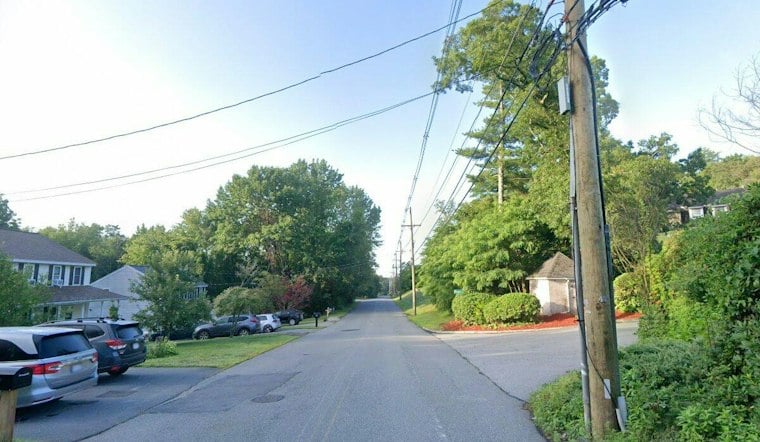
A man was bitten on the ankle by a coyote around 11:30 a.m. Tuesday on a walking path off Hillcrest Road in Kingston, Massachusetts. Kingston Animal Control gave Boston 25 News the approximate time; neighbors told the outlet he is expected to receive rabies shots.
Police urged residents to avoid the path, keep pets leashed and carry pepper spray, according to Boston 25. The following evening, a coyote was seen near the path.
A bite triggers assessment, not a diagnosis
The Massachusetts Department of Public Health’s 2020 rabies surveillance summary says wildlife bites or other direct exposures should be assessed for rabies risk and reported for risk assessment and possible testing coordination. That guidance describes the response process; it does not establish that the Kingston coyote had rabies or that it was tested.
A CDC-published study found rabies in 10 of 107 Massachusetts coyotes with usable test results among animals submitted for testing from 1985 through 2008. Those were selected submissions over a historical period, not a measure of rabies prevalence among all coyotes and not evidence about the animal in Kingston.
The broader numbers have important limits
Massachusetts has a substantial coyote population, but population size alone does not indicate the likelihood of an attack. GBH reported that MassWildlife biologist Dave Wattles estimated the statewide population at 10,000 to 12,000.
For historical bite reports, WBUR reported that Massachusetts recorded six coyote bites in 2021, matching the prior year’s total. The 12 reported bites across those two years made up half of the coyote attacks documented in the state going back to 1998, according to that report. These figures describe reported incidents in a past period; they do not show that attacks are increasing or predict what will happen in Kingston.





