

























































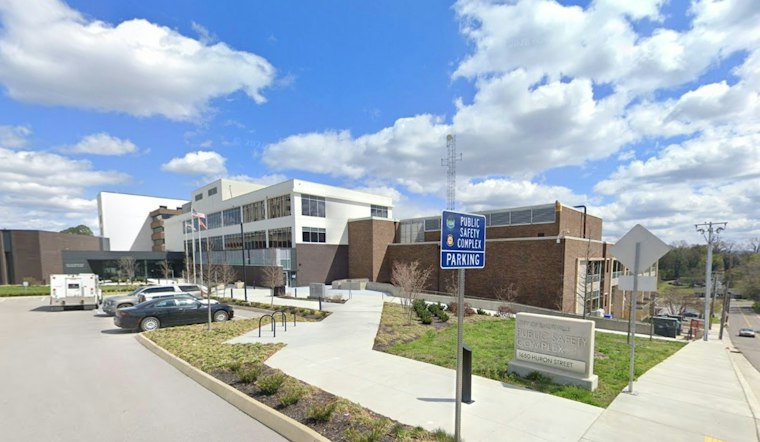
Starting this week, a drone might beat the patrol car to your 911 call in Knoxville. The Knoxville Police Department is launching its Drone as First Responder program, deploying camera-equipped drones from 12 stationary docks positioned at city-owned facilities across the city, with the goal of giving officers eyes on a scene within seconds of a call coming in.
How the Drones Reach a Scene Before Officers Do
According to WVLT, each drone can be launched and piloted remotely to respond to calls within roughly two miles of its dock, and the fleet is operated out of KPD's Real Time Information Center. KPD has said the drones can reach emergency scenes within seconds and are meant to improve officer awareness while reducing risks on the way to a call. The program is set to begin responding to calls for service on Thursday.
The drones are expected to respond to police calls for service, fires, citywide emergencies and special events, and they will also assist with damage assessment after severe weather, per KPD. The department began testing drones for the Real Time Information Center in 2025 ahead of this week's launch. KPD Chief Paul Noel said the department's policy governs how the DFR program can be used, and he said the initiative will help officers assess calls quickly and respond with better information.
A Program Years and Millions of Dollars in the Making
The rollout traces back to January, when Knox News reported that the Knoxville City Council had approved a $9.4 million contract addition for 12 new drones designed to automatically launch to a scene as officers respond to 911 calls. Under that plan, KPD staffers could take over flight control once a drone arrived and use its footage to guide first responders, with the aircraft managed through the Real Time Information Center. The outlet reported the city had enough money from existing grants to cover contract costs until 2029, after which local tax dollars would be used to fulfill the agreement, which runs through 2035. That same contract also funds 65 body-worn cameras, 30 in-car cameras, 116 tasers and replacement license plate readers, the report noted.
At the time, KPD spokesperson Scott Erland said the drones would not be operational for at least six months and noted that only 14 officers were then certified to operate the department's existing camera drones. Nearly ten months later, the department is now flipping the switch on the broader program.
What Limits the Department's Own Policy Puts on Drone Use
Noel said the DFR program is expected to improve public safety and services in Knoxville, calling it an initiative that will have a dramatic impact on community safety. Department policy limits drone flights to emergency calls for service and uses authorized by state law, and it prohibits random patrols or surveillance, according to KPD. A separate unmanned-aircraft policy document from KPD, hosted by the ACLU of Tennessee and effective since November 2019, outlines the department's general public-safety purpose and commitment to respecting privacy.
How Other Cities' Drone Programs Have Performed
Knoxville is not the first city to try this model, and other departments' results offer a glimpse of what's possible, if not necessarily a preview of Knoxville's own outcomes. In Chula Vista, California, which launched an experimental drone-as-first-responder program in October 2018, Government Technology reported that the city's drones have participated in more than 20,000 calls and assisted in 3,038 arrests. The Independent reported that Chula Vista has flown more than 25,000 drone missions since the program began, with drones arriving in about 97 seconds on average and resolving roughly one in five calls without a patrol unit ever showing up. The outlet also cited a randomized controlled trial of drone programs in Montgomery County, Maryland, and Philadelphia, which found that the approach seemed to have a positive effect on departments' ability to handle and respond to calls for service, with drones arriving roughly two minutes faster than typical response times for some Priority 2 calls.
The Independent reported that Chula Vista has flown more than 25,000 drone missions since the program began, with drones arriving in about 97 seconds on average and resolving roughly one in five calls without a patrol unit ever showing up. The outlet also cited a randomized controlled trial of drone programs in Montgomery County, Maryland, and Philadelphia, which found that the approach seemed to have a positive effect on departments' ability to handle and respond to calls for service, with drones arriving roughly two minutes faster than typical response times for some Priority 2 calls.
Closer to home, Gatlinburg's own Drone as First Responder program became operational in mid-September and had flown about 120 missions by this week, according to FireRescue1. That report said Gatlinburg's drones arrived before other responders on about 70% of those missions, with dispatchers simply pressing a button to send a drone flying to a call scene on its own. Whether Knoxville's program achieves similar results remains to be seen now that it's officially underway.




