

























































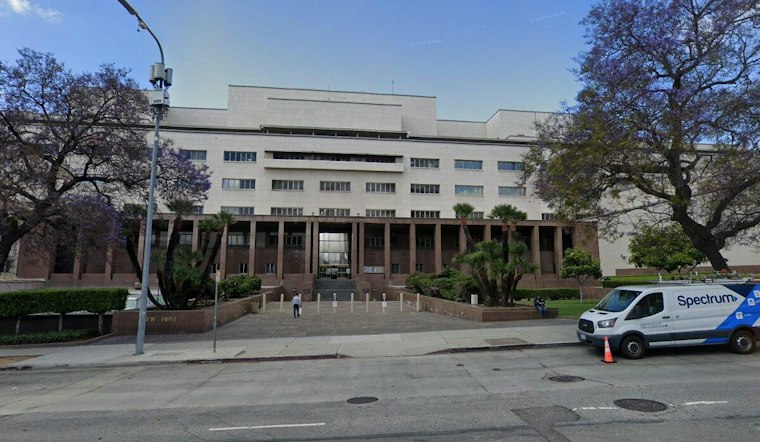
Los Angeles County supervisors are scheduled Tuesday to consider a sweeping new policy that would govern how every county department uses artificial intelligence, from chatbots to data-analysis tools, after the item was delayed twice in the past six weeks. The proposal would set standards for AI use across county government and bar employees from letting AI make high-impact decisions without a human checking the work.
A Policy Years in the Making Finally Reaches the Board
The measure, known as Board Policy No. 6.106, would establish standards, responsibilities and governance requirements for AI systems used anywhere in county operations, according to the Los Angeles County Board of Supervisors agenda. The agenda describes the goal as governing the safe, ethical, transparent and effective use of AI technologies countywide. The county’s Chief Information Officer has recommended the board approve it.
Tuesday’s meeting marks the third time the item has come before supervisors. It was first continued from the board’s October 6 meeting, then continued again from a November 10 session, with the Chief Executive Officer requesting the additional one-week delay that pushed the vote to November 17, per the same agenda document. As MyNewsLA.com reports, the policy would apply broadly — covering AI systems the county builds itself, buys from outside vendors, or accesses through third-party platforms.
What the Rules Would Actually Restrict
Under the proposal, county employees would be barred from relying on AI-generated work as an authoritative source without independent human verification, the outlet’s report notes. Workers also could not upload nonpublic or regulated county information to AI platforms that haven’t been approved, nor use unapproved platforms to make official decisions.
The policy would also require protection of personally identifiable information, protected health information, and criminal justice data from unauthorized access, disclosure or manipulation, per the same account. On the more dramatic end, it would prohibit fully automated high-impact decisions made without meaningful human review, along with covert tracking or social scoring of people, and cognitive or behavioral manipulation of individuals or vulnerable groups.
How the Push for an AI Policy Began
The effort traces back to a 2024 motion from Supervisor Lindsey Horvath, which directed county officials to report back within 90 days with a proposed AI policy, according to a Los Angeles County Board of Supervisors supplemental agenda from May 2024. More than two years later, the finished proposal has landed back on the board’s desk.
How Other California Counties Have Handled the Same Question
Los Angeles County would not be the first in California to draw these lines. Sonoma County has already adopted its own AI policy, joining Santa Cruz, San Benito and San Francisco counties in establishing a guiding blueprint, according to Governing. That outlet reports Sonoma County’s rules permit approved tools — including ChatGPT, OnePlan, Microsoft Teams and Microsoft Azure — for tasks like drafting, spreadsheet calculations, data analysis and code development, but require users to review and fact-check anything the AI produces.
Sonoma County’s policy also bars employees from entering confidential information or details too specific to the county — such as specifics of a legal case — into AI tools, and it restricts departments from using approved AI to help decide who gets hired or promoted, Governing reports. A representative of the California State Association of Counties told the outlet that local governments generally are focused on “balancing engaging in these technologies with ethical concerns,” while the group’s public affairs manager said the fast-moving technology and shifting state legislation make it difficult to write policies flexible enough to keep up.
Whether Los Angeles County’s own policy clears the board Tuesday — after two prior delays and a Chief Information Officer’s recommendation for approval — remains to be seen when supervisors take up the long-pending item.



