

























































Fifty-five Los Angeles organizations are splitting $3.1 million in fresh funding after the 2026 LA2050 Grants Challenge wrapped up, backing projects that range from disaster-response volunteer corps to a native plant nursery rising out of the old Lincoln Heights Jail. The money, spread across 67 individual grants, comes from a dozen philanthropic foundations working together rather than any single donor writing the checks.
The numbers behind this year's challenge are notable on their own: more than 110,000 Angelenos cast votes on which local issues mattered most, and more than 1,100 nonprofits, social enterprises and government agencies submitted applications competing for the money, according to la2050.org. That response pushed the program's all-time vote count past 1.1 million since it launched in 2013. The grants themselves were formally announced and celebrated at the LA2050 Grantee Showcase, which drew more than 150 social impact leaders, elected officials and other Angelenos together in Culver City, per the same source.
As has happened every year for half a decade, affordable housing and homelessness topped the list of issues Angelenos said they cared about most. The challenge's funding and in-kind support is organized by a collaborative of 12 Los Angeles-area foundations led by the Goldhirsh Foundation, whose LA2050 initiative created and runs the Grants Challenge and contributes $1 million of its own to the pot, the site notes.
What the Money Is Actually Funding
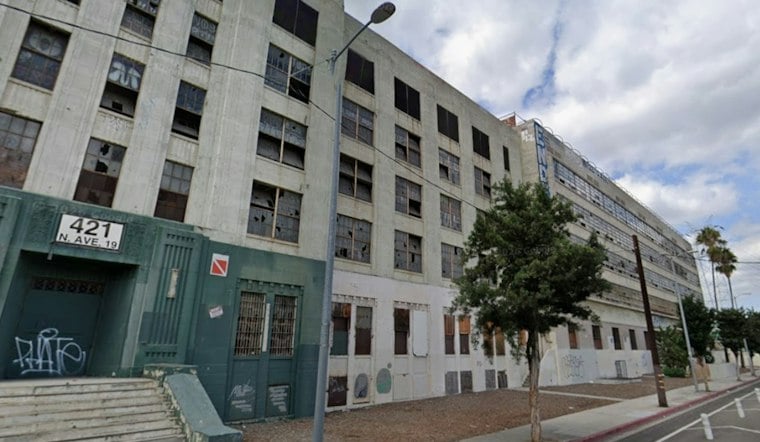
Among the specific projects getting a boost: the City of Los Angeles Department of Recreation & Parks received support to mobilize a citywide corps of trained community volunteers who can staff evacuation centers, emergency shelters and other LA Parks sites during disasters, according to the same report. North East Trees, meanwhile, is converting part of the historic Lincoln Heights Jail into an urban forestry hub, complete with a native plant nursery and workforce training for young adults.
Down in Carson, Alma Backyard Farms is using its grant to build out a permanent urban farm meant to grow affordable organic food, employ formerly incarcerated people, and serve as a gathering place for community learning, the report states. The three projects illustrate the range of what the challenge funds — everything from climate resilience infrastructure to workforce reentry programs.
A New Application Process and Familiar Rules
For 2026, the Grants Challenge switched to a two-part application process: organizations first had to clear an alignment stage before being invited to submit a full funding proposal, per the organization's own description of the process. That overhaul followed a record-setting 2025 cycle in which the challenge received 1,182 applications, the most in its history, as noted in a separate LA2050 post about the process change.
Eligibility rules stayed consistent with past years — the challenge accepts applications from registered nonprofit, for-profit, fiscally sponsored or governmental organizations serving Los Angeles County and its residents, but individuals cannot apply on their own. Once proposals come in, they don't just get judged internally: Social Justice Partners Los Angeles serves as the challenge's external evaluation partner, with its members reviewing, scoring and evaluating every submission, according to the challenge's submissions page.
Keynotes From Washington, Celebration in Culver City
The Culver City showcase wasn't just a numbers presentation. U.S. Representative Sydney Kamlager-Dove (CA-37) gave a brief keynote address in person, while U.S. Sen. Alex Padilla appeared by pre-recorded video to deliver his own remarks, the organization reported.
This year's haul builds on a program that, since 2013, has received nearly 6,000 ideas and funneled more than $20 million to hundreds of organizations across the region, according to LA2050's own account of the challenge's history. Related reporting from Los Angeles Downtown News notes that the challenge has directed more than $23 million to local social impact organizations in total and that this year's theme was framed around the question “What do you say, LA?” — a nod to the civic input baked into the voting process.
Comparable figures from recent years show the challenge's scale has stayed in a similar range: a 2025 LA2050 post described 55 organizations receiving nearly $3 million that cycle. Separate LA2050 materials referencing 2024 give differing counts for that year's recipients and total dollar figures, so those specific numbers aren't repeated here pending clarification from the original source.
Why Housing Keeps Winning the Vote
LA2050's own tally shows affordable housing and homelessness has now topped the Angeleno vote for five consecutive years, a streak that underscores how persistent the region's housing crunch remains in residents' minds even as hundreds of other issues compete for attention each cycle. That consistency has shaped where a meaningful share of the challenge's cumulative $20 million-plus has flowed since the program's 2013 launch.





