

























































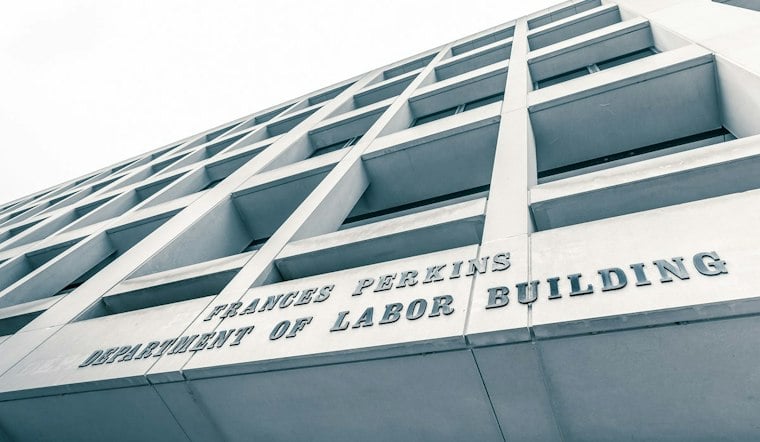
The U.S. Labor Department proposed sweeping new limits on Monday to a federal program that lets large technology companies and outsourcing firms sponsor foreign workers for employment-based green cards. The changes would bar companies from seeking green cards for foreign hires within two years of laying off American workers in similar roles, and would intensify the requirement that employers show hiring a foreign worker would not harm U.S. workers.
The program at the center of the proposal, known as PERM, or permanent labor certification, allows skilled foreign workers to obtain permanent U.S. residency through an employer sponsorship. According to WHBL, companies using PERM must already show there are not enough qualified and available U.S. workers for a given job and that hiring a foreign worker will not hurt the pay or working conditions of similarly employed Americans. The newly proposed overhaul would require employers to go even further in demonstrating that foreign hires will not harm American workers.
Two-Year Layoff Lockout and Modernized Recruiting
Under the proposed rule, companies that lay off U.S. workers would be barred from filing PERM certification applications for similar roles for two years afterward, the same report notes. Employers would also have to modernize how they recruit, reaching what the Labor Department described as the broadest possible pool of high-quality U.S. workers — for example, by using electronic job advertisements instead of printed ones.
The proposed rule would also extend new requirements to occupations that had previously been exempt because they were considered in short supply, including professional nurses and scientists of “exceptional ability,” per the Reuters-reported account carried by WHBL. Separately, the Erickson Immigration Group reports the overhaul would add new requirements addressing remote, telework, hybrid, and roving work arrangements — an acknowledgment of how dramatically where and how Americans work has shifted. The immigration law group called it the most significant PERM reform in nearly 20 years.
Publication Timeline and Public Comment
The proposal is scheduled for publication in the Federal Register on Tuesday, according to Erickson Immigration Group, which would trigger a 60-day public comment period before any rule could take effect. The U.S. Department of Labor says the proposed rule is also meant to protect workers in the same or similar positions, with comments due 60 days after Federal Register publication. The Federal Register's public inspection document for the proposal directs members of the public to submit comments through the Federal eRulemaking Portal at regulations.gov, following that site's own instructions.
Follows October Suspension of Microsoft, Adobe
Monday's proposal comes about a month after the Trump administration suspended eight companies, including Microsoft and software maker Adobe, from applying to sponsor employment-based green cards at all, as TIME reported in October. Labor Department data through June showed Microsoft was the largest filer of applications via PERM, the magazine noted. Labor Secretary Keith Sonderling said at the time that the suspended companies had sought to hire almost 3 million foreign workers and had obtained more than 100,000 permanent labor certifications since 2009.
The new PERM proposal is the latest in a string of moves the Trump administration has made toward reducing the number of foreign-born people in the United States and narrowing pathways to residency and citizenship. Monday's story was first reported by Reuters correspondent Julia Harte and edited by Nia Williams, with coverage carried locally by the Charlotte Observer. What remains unclear is how the proposal's final text might change during the comment period, or how specific industries and employers would be affected once any new rule takes effect.



