

























































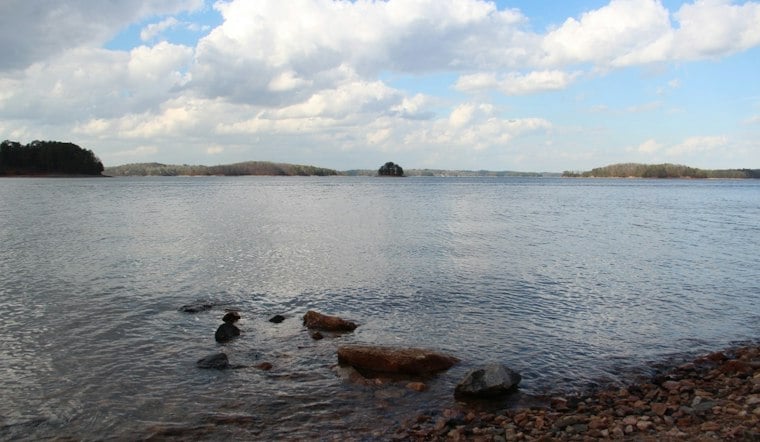
Lake Lanier has dropped to its lowest water level in nearly a decade, and the U.S. Army Corps of Engineers says it has no choice but to keep releasing water through Buford Dam even as the lake gets almost no rain to refill it. Atlanta relies on Lake Lanier for drinking water, and with the region stuck in drought, officials have already begun shutting down boat ramps and warning paddlers and boaters to watch for hazards that are normally hidden underwater.
The Army Corps began federal drought operations on Monday as the lake fell to its lowest level since January 2017, landing about 8 feet below full pool, according to forsythnews.com. A report listed the lake at 1,062.57 feet above sea level, while gainesvilletimes.com described it as a nearly decade low.
As CBS News Atlanta reports, the Army Corps has said it must release more water through Buford Dam to meet downstream needs even though the lake itself is receiving little rain to refill it. That squeeze is playing out across the wider Apalachicola-Chattahoochee-Flint river basin, where the Corps' Mobile District began drought operations Nov. 2, according to WSB-TV, which also reports that dry conditions have pushed streamflow to below-normal levels, with record lows recorded at multiple locations.
Why the Corps Keeps Draining a Shrinking Lake
It sounds counterintuitive, but the station reports the Corps is increasing releases from Lake Lanier precisely because drought conditions persist and rainfall has run below normal for months. James Hathorn of the Army Corps explained it this way, per WSB-TV's reporting: “these releases are an additional amount to help with the downstream reservoirs.” The goal, in other words, is keeping water moving to communities and ecosystems below the dam, even as the lake's own level keeps falling.
The Lake Lanier Association, in its fall 2026 lake level update, says the Corps is releasing only the minimum required to support those downstream flows — covering water-supply intakes below the dam and a water-quality minimum of 750 cubic feet per second at Peachtree Creek. The same update notes that inflows into the lake have averaged just 338 cfs this month, compared with required discharges averaging 1,230 cfs, leaving a daily deficit of 892 cfs.
Rainfall Deficit Years in the Making
The shortfall didn't appear overnight. WSB-TV reports the drought has been building across the region since around July 2025, and the Lake Lanier Association's update shows just how deep that hole runs: from August 2024 through August 2026, Gainesville received about 92.2 inches of rain against a normal expectation of roughly 111.4 inches, a cumulative deficit near 19.3 inches, or 17% below normal.
Even recent storms haven't closed the gap. Per WSB Radio, heavy rain that triggered flash flood warnings still wasn't enough to offset months of dry weather. Storage in the ACF basin is also a factor, and entering Zone 3 triggers drought operations.
Boat Ramps Closing as Lake Drops Further
The Belton Bridge boat ramp has closed as the water recedes.
WSB-TV reports the Army Corps is urging anyone recreating at federal reservoirs to wear life jackets and stay alert for underwater obstructions that wouldn't normally be visible at higher water levels. Officials are also keeping an eye on a potentially strong El Niño pattern that could bring more rain, though WSB Radio notes its greatest impact may not be felt until next spring — so relief may be limited in the short term.





