

























































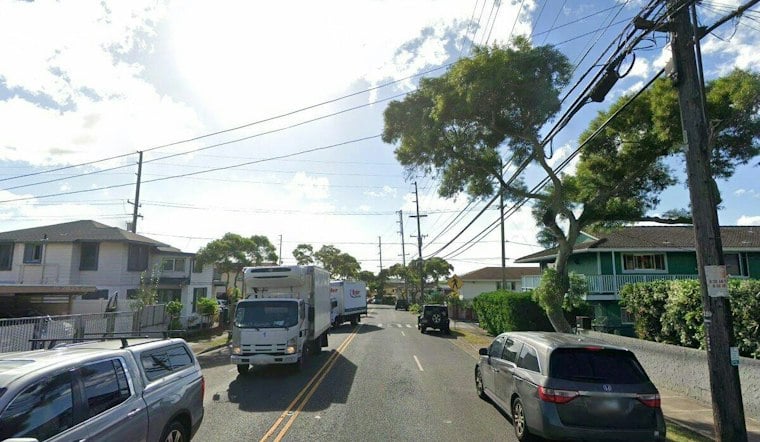
Heavy rain triggered a small landslide on Kalihi Street this week, exposing and breaking a 6-inch sewer pipe that serves four homes and sending wastewater into the surrounding area. The break happened around 2:30 p.m. on Wednesday, and city crews were on scene within the hour to begin containment work.
According to KITV, the City and County of Honolulu's Department of Environmental Services addressed the spill after the landslide cracked the pipe following the rainfall. ENV response crews arrived at the scene by 3:30 p.m., about an hour after the break was first reported.
As of the report, the wastewater spill remained active, and its total volume had not yet been determined, the outlet noted. Crews were actively working to contain the spill and figure out the appropriate repair options, while warning signs went up throughout the area to keep residents and passersby clear of the contaminated runoff.
State Health Officials Brought In to Sample Water
The State Department of Health was informed of the spill and asked to conduct water sampling, per the same KITV account. The move follows a familiar pattern for sewage overflows in Hawaiʻi, where state health officials typically step in to test affected waterways and determine any public health risk once a city sewer system fails.
It's not yet clear how long containment and repair work on the Kalihi Street line will take, and the station's report did not address when the spill might be fully stopped or whether sampling results have come back.
A Smaller Incident Against a Larger Backdrop
The Kalihi Street break is modest in scale compared to some of Honolulu's worst sewage failures. Citywide, annual sewage spills have fallen sharply over the years, dropping from 200 in 2006 to just 31 in 2024, according to city data cited by Honolulu Civil Beat. That same report recalls a 2006 storm that sent nearly 50 million gallons of sewage into the Ala Wai Canal, and a 2015 spill tied to Tropical Depression Kilo that released roughly half a million gallons near Atkinson Drive and Ala Moana Boulevard.
The U.S. Environmental Protection Agency has also taken formal action over the city's wastewater infrastructure. Under a consent decree, Honolulu is required to pay a $1.6 million penalty and address sanitary sewer overflows throughout its collection system, according to the U.S. Environmental Protection Agency.
Elsewhere in the islands, smaller wastewater incidents have continued to crop up. On Lānaʻi, a force main leak was detected near Mānele Bay Pump Station No. 1 along Hulopoʻe Beach Park Road last month, according to Hawaii News Now. That spill was estimated at 12,000 gallons, and none of it entered state waters, the station reported.
For now, the scope of the Kalihi Street spill remains unresolved, with crews still working to contain it and determine how to repair the broken line.




