

























































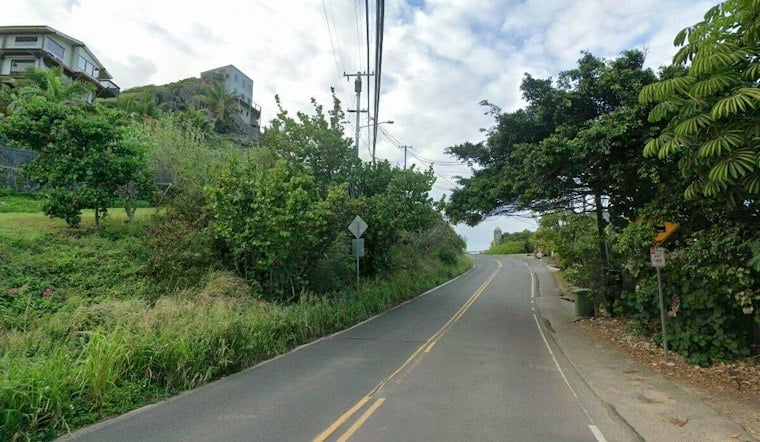
Honolulu is preparing a sweeping overhaul of parking and traffic near Lanikai Beach, one of Oahu's most photographed stretches of sand, as officials try to tame a decade-plus battle over cars, roadside encroachments and beachgoer access. The plan would carve out roughly 116 marked parking spaces across nine connecting streets, turn those same streets into one-way roads, and prohibit parking in the marked spots between 10 a.m. and 4 p.m. — all while longtime residents and beach-access advocates warn the changes could backfire in very different ways.
The proposal traces back to a Honolulu City Council resolution adopted on July 6, 2022, which called for a transportation management plan to relieve traffic congestion in Lanikai, improve access to first responders and overall roadway safety, provide ease of access to Lanikai Beach, and establish reasonable and appropriate parking controls, according to the City and County of Honolulu City Council resolution. That same resolution asked planners to weigh a range of fixes beyond just parking bans, including off-street or off-site parking, improved transit and better multimodal access. As SFGATE reports, Lanikai sits in Kailua on Oahu's windward side, lined with multimillion-dollar homes, with no public parking lot, no public restrooms, and only limited roadside parking for the beach that draws both residents and tourists.
A Plan Years in the Making Finally Takes Shape
Under the current design, the Lanikai Transportation Management Plan would make nine cross streets one-way and provide marked parking. The first phase would ban parking on Mokulua Drive, with a second phase extending no-parking restrictions to Aalapapa Drive, per the reporting cited by SFGATE. The plan also calls for drop-off zones. Honolulu has also used holiday-weekend parking restrictions.
Kailua Neighborhood Board chair William Hicks has become one of the loudest voices pushing the plan forward. Hicks has reported that traffic congestion has caused residents to miss appointments and flights, and that emergency vehicles can have difficulty getting through Lanikai's narrow streets. He's said some occasions have taken literally an hour or more to clear. Parking counts cited by SFGATE found 198 vehicles parked in Lanikai on one day in September 2022 and 333 vehicles on one day in March 2024 — numbers that underline just how crowded the neighborhood's streets can get.
Bathrooms, Buses and a Painful Testimony
The plan notably does not address Lanikai's lack of public restrooms. Transportation officials said at the June board meeting that they were exploring additional ways for visitors to reach Lanikai; Route 671 loops through Kailua and Lanikai roughly every 40 minutes.
The stakes of the congestion problem were driven home in blunt terms during that same June meeting, when a testifier said he witnessed someone die while waiting for an ambulance that had been delayed by traffic, according to SFGATE's reporting. Separately, the Civil Beat has reported that the city's transportation department planned to request funding for an additional bus on Honolulu Civil Beat's coverage of Route 671, which loops from Kailua through Lanikai roughly every 40 minutes, along with plans to install bike racks and create drop-off zones near the beach. Kailua Neighborhood Board chair Bill Hicks told the outlet that as many as 300 cars jam Lanikai's roads at peak times, and he expects that number to fall by about two-thirds once the city's plan is implemented.
Hikers, Reservations and a Trail Under Pressure
Just up the hill, the state is tackling a related crowding problem on the Kaiwa Ridge Trail, commonly known as the Lanikai Pillbox Trail, which can attract more than 1,000 people a day. A reservation system has been proposed for the trail.
Roadside Rocks, Rogue Landscaping and Years of Enforcement Headaches
Parking isn't the only roadside fight in Lanikai. Honolulu has spent more than a decade trying to stop homeowners from blocking roadsides with landscaping and other obstructions; the city sometimes removes rocks and other obstructions after warnings, but homeowners are not fined. Officials cited five Lanikai homeowners in December 2014 for placing large rocks along public roads.
Davis Pitner, a public information specialist for the Department of Planning and Permitting, said property owners are not allowed to have surface encroachments before authorization is granted, and homeowners need city approval before landscaping public roadside areas. On enforcement of parking rules themselves, the Honolulu Department of Transportation Services says parking on unimproved sidewalks is illegal, though Honolulu Police Department guidelines say it may be allowed if pedestrians can still safely pass. Legal parking spaces should be marked by signs, painted lines or other official indicators, the transportation department says, and Travis Ota, an information specialist with the department, said the city does not install unofficial-looking signs — official signs should carry official city stickers on the back. Honolulu officials have said police prefer signs that clarify restrictions and aid enforcement. The transportation department does not enforce parking fines itself; that responsibility falls to the Honolulu Police Department, and fines in no-parking zones range from $35 to $200 depending on location.
Beach Access Advocates Push Back
Not everyone sees the parking overhaul as a win. Hanna Lilley, Hawaii regional manager of the Surfrider Foundation, said meaningful beach access requires practical access that often includes parking, and that Hawaii's state constitution and laws enshrine public trust and beach access protections. Beach access advocates generally define access as more than just a path to the shoreline. Lilley warned that the Lanikai restrictions could make beach access more exclusive to neighborhood residents, leaving fewer people able to reach the beach.
A Broader Playbook for Overwhelmed Beaches and Trails
Lanikai's predicament echoes efforts elsewhere to manage crowds at beloved outdoor destinations. In Washington state, King County Metro began planning a seasonal Trailhead Direct shuttle in 2016 to serve popular hiking spots on weekends and holidays roughly every 30 minutes; by 2019 the service logged an estimated 35,000 rides, more than 75% above the prior year, and reportedly diverted 6,800 cars from trailhead lots, according to a separate Civil Beat report. On Kauai, Haena State Park introduced a shuttle and new capacity limits when it reopened after flooding in 2018, and the Hanalei Initiative said that shuttle diverted between 100 and 200 cars a day in 2022, totaling more than 50,000 cars that year. Not every such program survives, though — Kauai County's Council voted 4-2 to stop funding a shuttle between Princeville and Kee Beach back in 2015.
Back in Lanikai, the path forward remains unsettled. A February report described both a phased approach that could let construction start sooner and a fuller implementation that would wait on future budget availability, with the city indicating the one-way street conversion could take effect in July. The Kailua Neighborhood Board delayed a vote on the proposal until a subsequent meeting, reflecting how contested the plan remains even as congestion, safety concerns and the question of who ultimately gets to enjoy Lanikai's beach continue to collide.




