

























































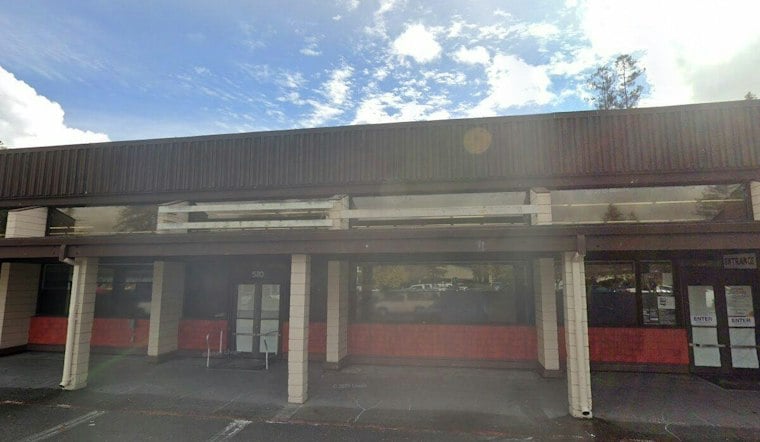
Larkspur will not pursue a tax on vacant properties, city officials confirmed, ending months of debate that centered partly on the long-shuttered former Lucky supermarket at 570 Magnolia Ave. Mayor Stephanie Andre pushed to put the measure before voters, but four of her colleagues on the City Council voted it down, leaving the empty grocery store without a new financial pressure point aimed at its owner.
The decision closes out a process that began in June 2026, when the city first started weighing whether to place a vacant-property tax measure on the ballot, according to Marin Independent Journal. The City Council held a second public workshop on the topic on Oct. 21, and notices had gone out to commercial property owners who could have been affected by any new levy. The store at the heart of much of the frustration has sat empty since it closed in 2023 and remains owned by Albertsons Companies Inc.
Mayor Pushed Forward, But the Council Said No
Andre favored moving forward with the ballot proposal, the paper's report notes, but Catherine Way, Scot Candell, Sarah Margulies and Vice Mayor Gabe Paulson were all opposed, effectively ending the idea before it could reach voters. Andre, who is seeking reelection, said the issue has followed her on the campaign trail. She said she believed the city could design a tax that would not unfairly burden most commercial property owners, and she favored letting voters make the final call at the ballot box.
Way pushed back during the discussion, asking whether residents' concerns were really about vacancies broadly or more specifically about the lack of a downtown grocery store. Andre responded that residents had raised both issues. Way also argued that adding a financial burden could make Larkspur less attractive for businesses looking to start up, rent or buy commercial space, and she suggested the city instead focus on the barriers or systems that make renting difficult in the first place.
Why a Targeted Fix Wasn't Simple
Any vacant-property tax would have needed to clear several hurdles before reaching a ballot, the city's own review found. The council would have had to define what counts as a vacant property, decide which property types the tax covers, set a rate, carve out exceptions, determine a start and end date, and figure out how the tax would be collected, administered and spent. City Attorney Sky Woodruff told the council the purpose of a vacant-property tax is usually to discourage empty parcels, generate revenue, or both, per the same report.
Woodruff has separately said vacant properties can contribute to higher crime rates, blight, decreased property values and worsening public health, a warning he raised when the idea first surfaced over the summer, as Marin Independent Journal reported in July. At that time, the council also floated a possible vacant-property registry that would charge owners a fee and hold them to maintenance standards, separate from the tax idea that ultimately died.
Crucially, the city could not have crafted the tax to single out one property. Larkspur was barred from targeting the Lucky site specifically through the tax, and it could not have set the rate so high that it effectively devalued the property. Many residents sent emails supporting the proposal, but several commercial property owners who attended the Oct. 21 workshop warned the tax could unintentionally hurt smaller landlords. Commercial property owner Thomas Young argued that large companies like Albertsons could absorb a vacancy tax far more easily than small property owners could.
Albertsons Points to a Difficult Site
Albertsons has defended its handling of the Magnolia Avenue property. In comments filed with Larkspur's Planning Commission, the company said it has owned the site since 2012 and that the store closed in April 2023. The company said it approached five different developers about redeveloping the property, but only two pursued the opportunity beyond an initial conversation, according to filings posted by the City of Larkspur.
Albertsons has also said the site itself is part of the problem. The property is just over two acres, oddly shaped and burdened by cross easements, conditions the company says make redevelopment economically difficult even if built to maximum density.
How Other Bay Area Cities Have Fared
Larkspur isn't the first Marin-adjacent city to wrestle with the idea. Oakland and San Francisco have both implemented taxes on vacant properties, Marin Independent Journal's earlier report noted. Oakland voters approved Measure W, the city's Vacant Property Tax, in November 2018, establishing an annual charge of between $3,000 and $6,000 on vacant parcels, according to the City of Oakland.
San Francisco's experience shows the legal risk such measures can carry. Voters there approved Proposition M in November 2022 with 54.5% support, intending to tax apartment units vacant for six months or more at rates between $2,500 and $20,000 per unit, with revenue earmarked for affordable housing and low-income rent subsidies. But the measure never took effect, and a state appeals court ruled last month that it violated property owners' rights under the Ellis Act, which protects owners' ability to both enter and exit the rental market, according to the San Francisco Chronicle.
For now, the Magnolia Avenue storefront remains exactly as it has been since 2023: empty, visible and unresolved. With the tax proposal dead, Larkspur's council did not indicate what, if anything, comes next for addressing the vacancy that helped drive the debate in the first place.




