

























































Inside a gleaming new kitchen in southwest Santa Rosa, teenagers in hairnets portion rock cod into five-ounce servings while a longtime volunteer loads his car for another weekly delivery run. The scene plays out at Ceres Community Project's new $22 million facility, where medically tailored meals are prepared for Sonoma County residents living with serious illness and then driven out to clients who are often too sick to shop or cook for themselves.
The nonprofit, founded by Cathryn Couch in 2007, grew from a small Sebastopol operation into a regional network of gardens, kitchens and volunteers, and it now delivers meals throughout Sonoma and Marin counties. Last year alone, Ceres delivered nearly 227,000 meals to more than 1,600 clients and family members, according to The Press Democrat. Separately, pressdemocrat.com reported the organization delivered nearly a quarter million meals in 2025, with 80% of Ceres' clients living below the poverty line and 66% dealing with a chronic illness.
Every meal is tailored to a client's individual medical and nutritional needs, built around recipes developed with nutritional guidance for people managing serious conditions. Some clients receive their meals free because they qualify as low-income, others pay on a sliding scale, and some qualifying Medi-Cal members receive meals through their health coverage. Some deliveries even include handwritten notes, which Ceres' director of development and community affairs, Deborah Ramelli, has said help clients heal and feel less alone.
From Sebastopol Kitchen to a Regional Hub
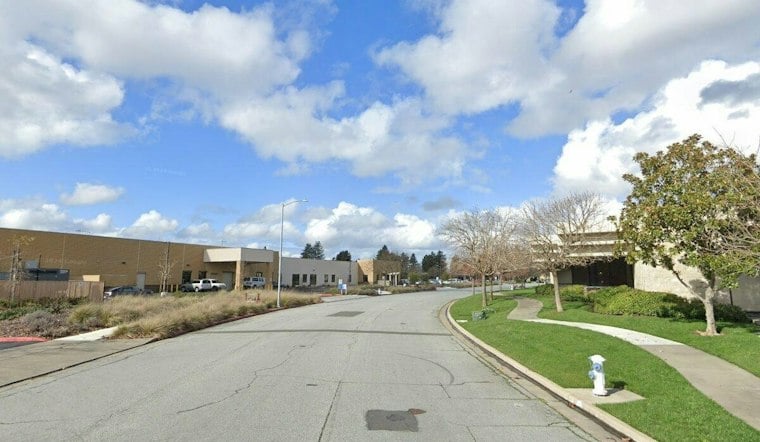
The new Center for Food, Youth & Community sits on Apollo Way and spans nearly 20,000 square feet, built around an 8,000-square-foot commercial kitchen. Before the move, Ceres ran operations out of one small owned kitchen and several leased kitchens scattered across Sonoma and Marin counties, the same report from pressdemocrat.com notes. The organization completed its final shifts at the Sebastopol kitchen on February 19, 2026, and said at the time, in a company blog post, that it would continue to deliver all medically tailored meals without interruption during the transition, per ceresproject.org.
The scale-up is substantial. The new site expands walk-in freezer and refrigerator space from 400 square feet at the old Sebastopol kitchen to 3,600 square feet, the same pressdemocrat.com report found. Ceres has said it hopes to eventually prepare 800,000 meals annually out of the new kitchen, and the center was designed to serve as a regional headquarters as the nonprofit grows to offer medically tailored meals, groceries and nutrition care services across four counties, according to a separate pressdemocrat.com account of the building's design.
Built to Keep Cooking Through the Next Blackout
Power outages have shut down kitchens throughout the region during emergencies such as wildfires, and Ceres designed its new building with that history in mind. The facility is equipped with induction cooking equipment, solar power and a battery-backed microgrid intended to keep critical operations running when the grid goes down. That microgrid can reportedly carry the building through 300 hours of outage, per pressdemocrat.com's coverage of the project's construction recognition.
The investment also carries a contractual weight: Ceres has a contract with the city of Santa Rosa and Sonoma County to provide emergency meals, the February pressdemocrat.com report states. Ceres has projected that solar power and the battery microgrid will eventually cut its energy use per meal by 67% and its carbon footprint per meal by more than 80%, though those figures remain expectations reported earlier this year rather than measured results.
Teen Volunteers Learn to Cook — and to Care
Much of the kitchen's labor comes from teenagers. Ollie Berger, a student at Technology High School, has volunteered at Ceres for four years, while Yermi Benito, who attends Analy High School, has volunteered twice a week for five months and recently portioned five-ounce servings of rock cod for delivery. Stella Summers, a three-year volunteer, now serves as a teen leader and sits as a youth member of Ceres' board.
Teen cooks must commit to a minimum of three months, and Ceres awards an apron after 40 volunteer hours and a chef coat after 80. Billy Headington oversees roughly 100 teen volunteers at a time, with about 300 participating over the course of a year. Mario Tapia, a permaculture instructor with the organization, helps connect that youth workforce to the gardens that supply some of the kitchen's produce.
A Delivery Driver's 15-Year Routine
Not every volunteer works in the kitchen. David Mallie has volunteered weekly for 15 years, picking up meals for people too sick to cook and logging more than 1,000 volunteer hours and countless miles on his delivery routes. He has described the work as his ticket to heaven, and said simply that everyone else does the work — he just delivers it. Mallie has also said the food is well liked and that helping people in need broadens his own life.
Ceres sources its ingredients from local farmers, producers, wholesalers and community donations, and its gardens in Sebastopol and Petaluma produced 14,300 pounds of organic produce last year. According to the February pressdemocrat.com report, all of the organization's ingredients are organic, and 75% are sourced from farms within 250 miles. The gardens grow seasonal vegetables, herbs and flowers, along with a perennial food forest of pomegranate trees, lemon balm, medicinal plants and pollinator-attracting flowers, and the kitchen keeps frozen meal portions for emergencies or sudden demand. Since 2007, Ceres has prepared and delivered more than 1.5 million organic, now medically tailored, meals, according to the nonprofit's own account at ceresproject.org, which also states the new Center will let Ceres serve four times as many people living with serious, complex and chronic health conditions.





