

























































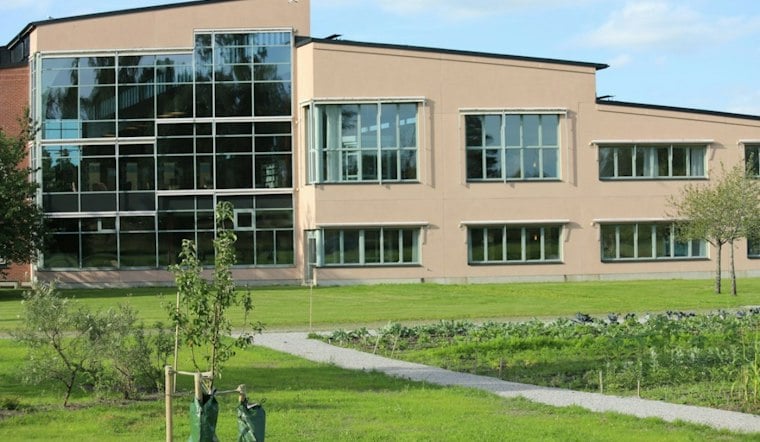
Leander ISD trustees voted 4-2 on Thursday to approve maximum construction cost limits of $66.7 million for Elementary 31 and $62.8 million for Elementary 32. The vote clears the way for the two long-delayed schools to move toward construction; both are targeting an August 2028 opening.
The vote capped months of debate over where growth is actually happening across the district and whether bond commitments made to voters in 2023 should bend to reflect it. As Community Impact reported, trustees Sade Fashokun and Paul Gauthier dissented from the approval, while Trustee Trish Bode was absent from the vote. Leander Independent School District confirmed in a statement that “Trustee approvals for Elementary Schools #31 and #32 cleared the way for both voter-approved 2023 Bond projects to move into construction,” according to news.leanderisd.org.
Why the District Says It Can't Wait Any Longer
Both projects were approved under Proposition A in the 2023 bond, but neither is opening on its original timeline. Elementary 31 was initially slated to open for the 2025-26 school year, and Elementary 32 was expected to open in 2027-28; both have since slipped to the 2028-29 school year. Leander ISD said construction cost escalation would exceed available funds if the projects were delayed any further, per the district's statement.
District staff told trustees that waiting any longer wasn't really an option. Per the same district account, “Building now allows the district to deliver both campuses on budget and on schedule.” According to Community Impact, construction activities for both elementary campuses would need to begin in spring 2027 in order to meet the targeted August 2028 opening.
A Northeast Campus and a Contested Relocation
Elementary 31 is intended to add capacity in the northeast part of the district, covering the Tarvin, Parkside and Akin elementary feeder area, where the district says demographic projections point to continued residential and student growth. Elementary 32, by contrast, carries a more complicated backstory: it will be built in the Travisso community, and district officials want to use it to relocate the existing Mason Elementary community rather than simply add a new school alongside it.
District data shows Mason Elementary students currently live in a scattered pattern — 24% in its immediate area, 51% in the Travisso corridor and 25% in surrounding areas. At an October 1 board meeting, Leander ISD had already flagged that about 76% of students in Mason's attendance area live in Travisso and nearby developments closer to the Elementary 32 site, according to the district's board briefs. Jeremy Trimble presented the relocation plan to trustees at that same meeting, and the district's statement frames it plainly: the plan brings the Mason community together at Elementary 32, aligning the campus with where more of its students actually live.
Packed Room, Split Opinions
Community Impact reported that more than 50 community members signed up to speak at Thursday's meeting, with many urging the board to build both campuses as promised in the 2023 bond. Some speakers backed the Mason relocation outright; Maggie Moore argued that building a new school in Travisso would make the district a more competitive choice for families. Others pushed back hard. Jenna Edge opposed the relocation and the new campus, telling the board that Mason Elementary is a neighborhood school and that demographic projections don't justify building Elementary 32 at all.
Trimble also acknowledged that both projects have experienced delays, and told trustees that the school planning methods used in 2024 differed from what was presented at Thursday's meeting. He said Elementary 32 planning in particular slowed down after Mason's projected growth slowed and its trajectory changed, and warned that further delays would affect the district's ability to deliver both schools within the allocated budget.
Trustees Question Trust and Enrollment Risk
Not every trustee was convinced the numbers added up. Fashokun voiced concerns about enrollment projections and the risk of future underenrolled campuses, saying one or both schools could face consolidation discussions within five years. Gauthier joined her in dissenting from the final vote.
Trustee Gloria Gonzalez-Dholakia raised a different worry, questioning whether changing the bond commitments made to voters would undermine community trust, while also noting that many Leander ISD schools have historically been built where children actually live. The 2023 bond package that funded both schools totaled $762 million, with Proposition A alone allocating $698.3 million for repairs and security upgrades, according to a Community Impact report from when the bond was called. The bond package had originally estimated project costs of $71.4 million for Elementary 31 and $79.9 million for Elementary 32, figures that differ from the construction cost limits trustees approved this week.
How the Limits Compare With Bond Estimates
The approved construction limits are below the bond-era estimates of $71.4 million for Elementary 31 and $79.9 million for Elementary 32. The figures are not necessarily like-for-like: Leander ISD lists $71,432,375 under Bond 2023 for Elementary 31 and explains that construction costs are separate from total project costs, which also include design, permitting, furniture, fixtures and equipment, according to the district's project page. For Mason, The Texas Tribune Schools Explorer reports enrollment of 655 students in 2026, up 6.0 percent since 2016; that historical count does not itself establish future enrollment. Leander ISD's attendance-zone page lists honoring the neighborhood-school concept, where possible, among its Long-Range Plan parameters. That policy offers context for the relocation debate but does not establish whether the district has previously relocated a campus.
New Trustees Set to Join Before Next Vote
Thursday's approval came ahead of a board transition. Trustees Laura Marques, Serenity Coats and Chitra Nedun were expected to be sworn in before the board's November 19 regular meeting, at which the board had originally been scheduled to vote on the maximum construction costs. Anna Smith said the board's attorney recommended holding a special meeting ahead of that regular session, which is how Thursday's vote came to happen earlier than planned.



