

























































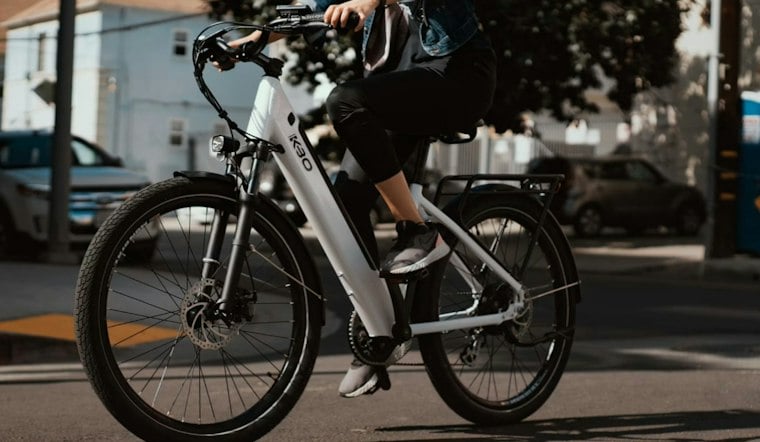
Leawood's City Council has approved a sweeping update to how electric scooters, e-bikes and other micromobility devices can be ridden through the city, capping speeds at 15 mph on sidewalks and trails and requiring helmets for every rider under 18. The vote came Monday, and city officials say the rules take effect Dec. 15.
According to the City of Leawood, the council approved the updated traffic regulations on Nov. 2, incorporating several recommendations from the Mid-America Regional Council's regional e-mobility policy workgroup. The changes follow the fatal crash that killed 10-year-old Duke Ommert, as reported by KCTV5, and a separate crash last August that injured a 13-year-old riding an e-scooter.
Ommert was riding an e-scooter when he started across Lee Boulevard mid-block from the east side of the roadway and was struck by an approaching southbound vehicle, according to a report from KSHB. Police said the driver's actions were not a contributing factor in the crash. Local outlets have given conflicting dates for when Ommert died from his injuries — KSHB reported he died on a Wednesday following the Monday, Oct. 13 crash, while FOX4 reported the date as Oct. 23 — and that discrepancy remains unresolved in public reporting.
What the New Speed and Helmet Rules Require
Under the updated code, bicycles, electric-assisted bicycles and micromobility devices are limited to 15 mph on sidewalks, multi-use paths and trails throughout Leawood, though that cap does not apply on designated bicycle lanes or streets, where posted speed limits and other traffic laws still govern. Riders under 18 must wear helmets while operating electric-assisted bicycles and micromobility devices — an extension of a helmet requirement Leawood already had in place for minors.
The rules also set firm age restrictions. Children under 16 may not operate Class 3 electric-assisted bicycles, and people under 16 are barred from operating or riding micromobility devices capable of exceeding 20 mph. Devices may carry no more passengers than they're designed for, meaning riders can't double up on a scooter or bike built for one person.
Rules of the Road for Riders
Riders are required to yield the right of way to pedestrians and must provide an audible warning before passing them. The code also requires riders to operate attentively, at speeds safe for conditions, and without careless or reckless behavior. Micromobility devices remain prohibited on interstate, federal and state highways, except when crossing a state highway is necessary.
Parents and guardians may not authorize or knowingly allow children to violate the new regulations, and citations issued to minors may be charged to their parents or guardians. Violations can result in warnings or citations, and people found in violation may face fines. A separate section of the city's local traffic regulations specifies that a violation of the helmet requirement can bring a warning or citation, with a guilty finding carrying a $25 fine, according to Leawood's Local Traffic Regulations.
How Leawood Defines a Micromobility Device
The new rules also clarify what actually counts as a regulated device. Leawood defines micromobility devices to include compact electric-powered devices such as electric scooters, motorized skateboards and electric unicycles, while electric-assisted bicycles are classified separately under the code. Mobility aids designed for people with disabilities, including motorized wheelchairs and mobility scooters, are specifically excluded from that definition.
A Regional Push for Consistent Rules
Leawood city leaders said the updated rules aim to establish consistent safety standards across the Kansas City metro, a goal shared by several neighboring communities working through the same regional process. The Mid-America Regional Council warned in a report that as more cities pass their own ordinances, regulations across the region risk becoming an increasingly patchwork affair.
That warning has played out across Johnson County and beyond. Olathe's City Council unanimously approved its own revision of e-bike and e-scooter rules, becoming, according to The Kansas City Star, the latest Johnson County city to take that step after Leawood and Prairie Village. Olathe Police Chief Mike Butaud said his department plans to first focus on education before leaning into enforcement of the new traffic laws.
Kansas City's own council passed similar regulations for e-bikes, scooters and other electronic mobility devices at a meeting this past summer, and the Mid-America Regional Council convened area leaders from both sides of the state line to simplify regulations and create a model ordinance, KCUR reported. The same report cited a study finding that emergency department visits for e-bike and e-scooter injuries among youth under 18 rose 7.5 times between 2023 and 2026, underscoring why cities across the metro have moved on the issue following a wave of crashes involving the devices.



