

























































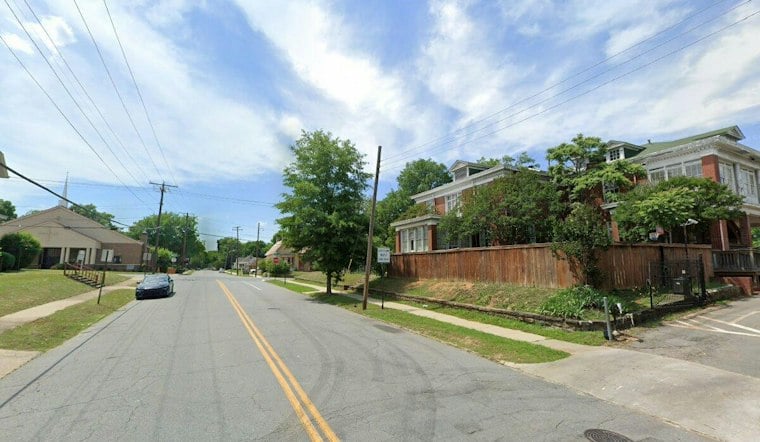
A Nov. 19 vote by Little Rock’s Capitol Zoning District Commission could clear a zoning hurdle for a proposed two-year reentry home for women leaving prison. The plan is for the Ada Thompson Memorial Home at 2021 S. Main St.; whether the property changes hands and the program moves forward still depends on steps beyond the vote, according to The Arkansas Democrat-Gazette.
The building dates to 1920 and is listed on the National Register of Historic Places, the newspaper reports. Women and Children First, which previously operated a shelter there and moved to a new building earlier this year, has agreed to sell it to A Prodigal’s Path for $190,000—but only if the rezoning is approved.
A zoning vote is one part of the process
The commission describes a review process in which applications requiring a public hearing are first presented to one or more advisory boards. For non-design permits, the applicable Area Advisory Committee reviews the application, according to Arkansas Heritage’s Capitol Zoning District Commission. That general procedure does not establish which reviews this particular application has completed.
Nor does the zoning decision, by itself, answer the remaining questions about the home’s operation. The newspaper reports that the proposed program would operate through the Arkansas Department of Corrections; the licensing path, broader funding and any final operating approvals remain unsettled in the account of the proposal.
The proposal within Arkansas’s reentry framework
The Arkansas Department of Corrections describes its Reentry Team’s statewide approach as using community engagement and stakeholder partnerships to prepare people for return to society, with goals that include reducing recidivism. That policy context is not evidence that the proposed home has been approved, or that its results are known.
A Prodigal’s Path, co-founded by Kevin Willis, proposes a maximum of 46 residents, based on the occupancy limit reported by the newspaper. Participants would stay for two years and, if they complete the program, earn $15,000 through work during their residency. Willis says the nonprofit plans to create businesses in Little Rock for residents to work in rather than place them in outside jobs; those are plans, not established outcomes.
The nonprofit says it would screen applicants through at least two interviews, prioritizing women whose offenses are primarily connected to addiction or substance use and who have repeatedly returned to incarceration after shorter interventions, the newspaper reports. Willis argues that the model needs more time than the roughly three-month halfway-house stays he describes. Whether the commission approves the rezoning—and whether the sale, licensing and operating plans proceed afterward—remains to be seen.




