

























































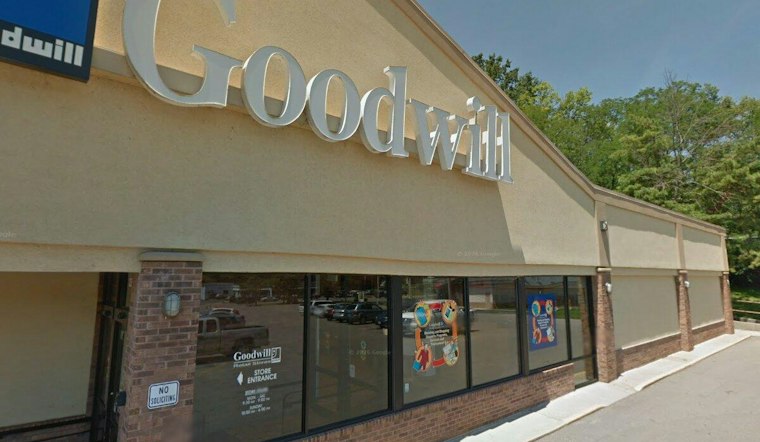
An empty storefront on Loveland-Madeira Road is set to be stripped down to the bare bones and rebuilt into a thrift store designed from the ground up for workers on the autism spectrum. St. Vincent de Paul–Cincinnati bought the space and is turning it into Thriftabilities, the organization's 10th thrift store across the region, with an opening expected in early 2027.
The project is being built to be neuroinclusive for staff on the autism spectrum or with other neuroinclusive needs, according to WCPO 9 Cincinnati. Brad McMonigle, who is leading the effort, said the store will be stripped down to the bare bones and built back up rather than simply renovated around the edges.
For McMonigle, the motivation is personal. He has a daughter with autism, and he said his project journey began a little over eight months earlier out of a desire to help her directly. She spent some time in one of the organization's existing thrift stores and shared challenges involving lighting, noise, and customers, pushing him to imagine a retail space built around those sensitivities instead of against them.
What the Redesigned Store Will Include
Those sensitivities are shaping nearly every physical detail of Thriftabilities. Plans call for specialized sound-absorbing flooring, along with ceiling tiles and lighting chosen specifically for neuroinclusive needs. The store is also set to include a sensory room.
About 20 staff positions have already been filled, and the organization expects to bring on dozens more as the store moves toward its opening. The hiring push comes as the store itself is still being reconstructed, with the early 2027 timeline marking the next major milestone for the project.
A Broader Push for Workplace Accommodation
Dan Ottke, superintendent of the Clermont County Board of Developmental Disabilities, said he has seen companies become more accommodating around scheduling needs for people on the autism spectrum, though he noted transportation can still pose a challenge. Ottke said he is excited to see how the Thriftabilities project might take off in the next few months.
Statewide data gives a sense of the employment landscape workers like McMonigle's daughter navigate. Ohio's Outcome Tracking System reported 5,975 people working in 6,229 jobs classified as competitive employment in Reporting Period 2023, a 4% increase in both measures from the prior reporting period, according to Ohio's Outcome Tracking System. The number of people and competitive jobs statewide has climbed 25% since Reporting Period 2019, and food preparation, sales, and building and grounds maintenance have remained the top three occupation categories for competitively employed workers over the past five reporting periods.
Separate 2021 figures from Ohio's Employment First initiative, cited by Community Solutions, showed 5,553 people receiving services were in competitive employment that year, a 21% increase from the year before. The average hourly wage for those workers rose to $13, up from $10 in 2019, while roughly 4,800 Ohioans remained in facility-based sheltered work earning an average of $6 an hour. None of those statewide figures are specific to Thriftabilities or its future workforce, but they frame the broader employment gap the Loveland project is aiming to address.



