

























































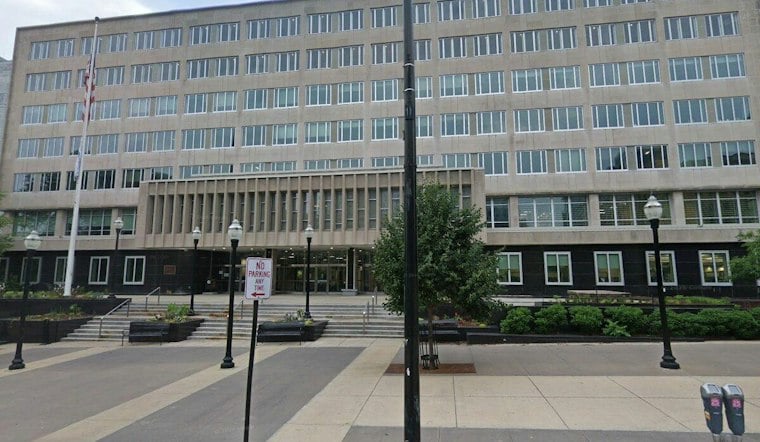
Madison officials are drafting a permanent ban on hyperscale data center construction within city limits, a move that would replace a temporary moratorium on zoning approvals for qualifying data centers set to expire early next year. The proposal would still allow smaller data centers to be built, but only under a thicket of new size, location, spacing and noise rules city planners have spent months assembling.
The city is preparing what amounts to a total ban on the largest category of data centers, according to WTMJ, while imposing severe restrictions on every other size of facility that might want to locate in Madison. The proposal is scheduled for its first review before the City Plan Commission on November 30, with the Common Council expected to take it up January 12, 2027.
New Size Caps Replace Earlier Staff Recommendation
Under the city's current proposal, new data centers in Madison would be capped at 75,000 square feet, a sharp reduction from the 100,000-square-foot ceiling that planning staff had floated earlier. The City of Madison describes the change as reducing the maximum allowed floor area from 100,000 square feet down to 75,000 square feet. An earlier city draft proposed a 100,000-square-foot limit.
A 2.5-million-square-foot project is under construction in Port Washington, far larger than the 75,000-square-foot cap Madison is considering. That contrast illustrates how far the city's approach has shifted toward keeping the biggest facilities out entirely.
Zoning, Spacing and Noise Rules for Smaller Facilities
The proposed ordinance would ban data centers of any size from residential zones outright. Facilities between 50,000 and 75,000 square feet would be restricted to industrial zoning districts only, the city says. Any data center larger than 10,000 square feet would also need to sit at least 1,000 feet from any other lot hosting a data center of that size, and the total size of data center buildings allowed on a single lot would be capped.
Developers of facilities above that same 10,000-square-foot threshold would be required to submit a noise mitigation plan demonstrating compliance with the city's noise ordinances before they're allowed to start construction. External mechanical equipment and backup generators at those larger sites would also need to be enclosed by solid walls, according to the city's data.
No Active Proposals, but a Deadline Looms
The city says there are no current proposals for a new data center anywhere in Madison. The Capital Times has reported at least six standalone data centers in the city, ranging from 1,200 to 17,000 square feet, and said existing smaller facilities had not caused issues or public complaints.
The urgency behind finalizing the ordinance traces back to the clock on the city's temporary moratorium. The Common Council voted on January 13, 2026, to approve a one-year moratorium on zoning approvals for new data centers larger than 10,000 square feet, and that moratorium is set to expire January 24, 2027. Mayor Satya Rhodes-Conway has said the moratorium cannot legally be extended indefinitely to block data center development, which is why the city is racing to put permanent rules in place before the deadline, per WTMJ's reporting.
Review Schedule Ahead of the Council Vote
The city says the restrictions will be formally introduced to the Common Council on November 24. From there, the Business and Economic Resources Committee is scheduled to review the proposal and take public comment on December 16, according to the city of Madison. The ordinance will then need to clear further review before heading to the full council in January.
How Other Cities Have Handled the Same Fight
Madison isn't alone in confronting this issue. Dane County and Sun Prairie also have their own moratoriums on new data center construction, according to The Capital Times. Nationally, the fight over where these facilities can go has become a flashpoint in local politics: in this year's midterm election, outcomes on all but one data center ballot measure nationwide supported restrictions on development, per St. Louis Public Radio.
St. Louis passed regulations earlier this year restricting hyperscale data centers in residential and neighborhood commercial zones, though not in industrial zones, the station reported. Activists there have since launched a petition campaign seeking to ban any data center with an electrical load exceeding 30 megawatts. In Kansas, Emporia and El Dorado voted to prohibit data centers exceeding 10 megawatts of electrical load, while Ottawa, Kansas, banned facilities requiring more than 25 megawatts, according to the same report.
Whether these kinds of restrictions can withstand a court challenge remains an open question elsewhere. A Missouri judge recently threw out renewable energy requirements that had been imposed on a data center project in Midtown St. Louis, St. Louis Public Radio reported. State-law limits on local regulation of water and energy usage, along with the Public Service Commission's regulation of energy providers, shape how far local data center ordinances can reach.




