
























































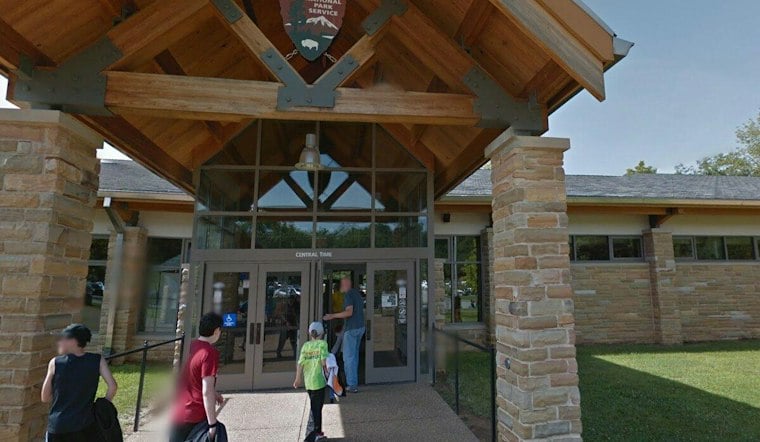
A finalized rule makes about 37 miles of Mammoth Cave National Park trails eligible for bicycle use, up from roughly 19 miles currently available. But eligibility is not the same as immediate access: the park superintendent must designate the trails where bicycles may be used. The Federal Register rule, which takes effect December 21, 2026, also authorizes horseback riding on the 5.4-mile Houchin Ferry North/Ollie Road segment.
What the rule allows—and what it does not
The mileage breakdown reported by WHAS11 is 19 miles of existing bicycle trails and 18 additional miles that may be designated, for a total of about 37 miles. The rule creates the authority for that expanded use; it does not declare every newly eligible trail open to cyclists. The designated routes, and when they become available, remain a matter for the superintendent.
That distinction reflects how bicycle access is regulated in national parks. The National Park Service’s bicycle-use flowchart identifies a special regulation as one way to authorize bicycles on a trail. At Mammoth Cave, the new regulation supplies that authorization framework, while the superintendent’s designations determine which trails may be used.
A connected landscape
The surface trails sit within a landscape that connects to the park’s underground environment. The National Park Service describes Mammoth Cave’s ecosystems in terms of aquatic and terrestrial environments, as well as surface and underground habitats; it says rivers, streams, springs and ponds support aquatic life and connect aboveground and underground areas. The U.S. Geological Survey explains that karst terrain can include caves, sinkholes, springs and disappearing streams, where surface water flows underground. This is context for the park’s interconnected natural setting, not evidence of a specific environmental effect from the new rule.
The practical change, then, is a larger pool of trails the park can open to bicycles—not blanket access to all 37 miles. Riders should rely on the park’s current designations to determine which routes are actually available.





