

























































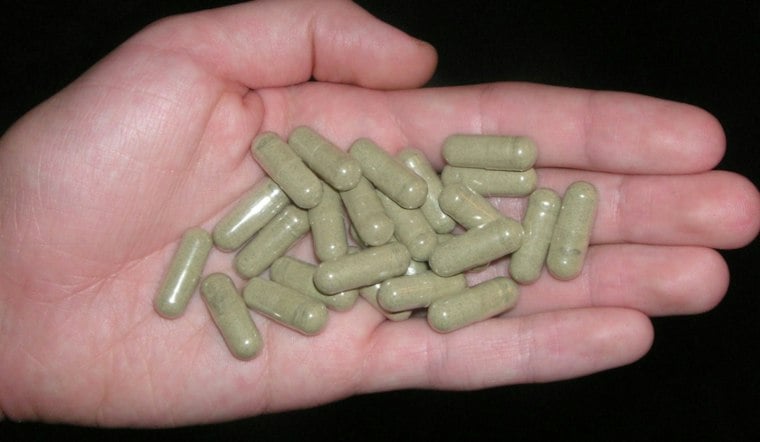
A case report describes a 32-year-old man who bought kratom pills from a local gas station and took six to eight of them daily for two years. He was down for at least eight hours and later woke on the ground; he was hospitalized for 10 days and treated for septic shock and sudden hearing loss in one ear. He had fallen in his shower before arriving at the hospital with a headache, nausea, slurred speech, brief memory loss, right-ear pain and hearing loss.
The case, reported as a 2026 case study, describes a man who presented with septic shock requiring vasopressors and unilateral acute hearing loss, and who was found to have acute kidney injury secondary to rhabdomyolysis and auriculitis, according to the case report published in Case Reports in Otolaryngology. Doctors determined his septic shock resulted from auriculitis, an inflammation of the ear, and diagnosed him with rhabdomyolysis, a condition in which rapid muscle breakdown releases proteins and electrolytes into the blood and can damage organs, as reported by the New York Post. He had a history of anxiety, and his kratom pills reportedly had an unknown dosage.
What Doctors Found in His Bloodwork
The man's urine drug screen detected fentanyl but came back negative for other substances, per the same account. Doctors believe kratom or fentanyl caused his rhabdomyolysis, and they noted the supplement's sedative effects may have triggered it. Rhabdomyolysis affects about 26,000 people in the U.S. annually, and young women and endurance athletes are considered more susceptible, along with people who engage in intense exercise.
At the hospital, the man regained his hearing, and doctors noted that rhabdomyolysis may have caused the temporary hearing loss through electrolyte changes. He spent three days in intensive care and received antibiotics for sepsis, an intravenous drip for rhabdomyolysis, and steroids for his hearing loss before he was eventually discharged.
The Risks of Mixing Kratom and Fentanyl
Kratom can slow fentanyl metabolism and make the opioid last longer in the body, carrying risks that include respiratory failure, severe sedative effects and fatal overdose when the two substances are combined, the outlet's report notes. Kratom leaves contain mitragynine and 7-hydroxymitragynine, known as 7-OH, which bind to the same brain receptors as prescription-strength opioids. Heavier kratom use can lead to seizures, hallucinations and death, according to the DEA.
Kratom is an herbal extract that comes from the leaves of an evergreen tree called Mitragyna speciosa, which grows in Southeast Asia, according to Mayo Clinic. It is sold as a natural supplement marketed as an energy booster, pain reliever, mood lifter, anxiety reducer and remedy for the symptoms of quitting opioids. Mayo Clinic also reports that the amount of the active ingredient in kratom leaves can vary greatly, making it hard to know the effects of a given dose, and that reported side effects include high blood pressure, confusion and seizures.
A Widening Pattern of Poison Center Calls
Kratom has not been approved for medical use by the FDA, yet it remains legal at the federal level and is widely available at gas stations, vape shops and online. U.S. poison centers documented 14,449 kratom exposures during 2015–2025, with the 3,434 exposures reported in 2025 representing an increase of approximately 1,200% compared with 2021, according to the CDC. Separately, Mayo Clinic says poison control centers received more than 3,400 reports about kratom use from 2014 through 2019, including reports of death.
This is not the only documented case linking kratom to rhabdomyolysis and hearing problems. A 2021 case report described a 45-year-old woman who used kratom for pain management and developed severe rhabdomyolysis leading to compartment syndrome, transient hearing loss and heart failure, according to the Journal of Investigative Medicine High Impact Case Reports. In that case, the woman's hearing loss resolved and her mental status improved after she underwent dialysis. A 2021 article in the same journal notes that lifetime prevalence of kratom use among U.S. adults is 1.3%.
Federal Scrutiny of a Potent Kratom Compound
The FDA recommended a scheduling action under the Controlled Substances Act to control certain 7-hydroxymitragynine products, while the DEA was reviewing the recommendation and had final authority, according to the FDA. Kratom remains popular across the United States, even as reports like this one raise fresh questions about its risks when combined with other substances.




