

























































A judge has ruled that a man who was jailed after a facial-recognition system allegedly misidentified him can move forward with his lawsuit.
Judge Allows Lawsuit to Proceed
A federal judge allowed the man to pursue his lawsuit, according to Reuters.
Facial-Recognition Use in the Case
The lawsuit concerns a man who says a facial-recognition mismatch led to his jailing.
A Pattern Beyond One Case
The case lands amid broader scrutiny of how police departments nationwide lean on facial-recognition software. A review by The Washington Post of records from 23 departments with detailed facial-recognition data found that 15 departments across 12 states had arrested suspects identified through AI matches without any independent evidence tying them to the crime. The same review identified at least eight people wrongfully arrested in the United States after facial-recognition identifications, and the newspaper reported that all eight of those cases were eventually dismissed. The Post had identified 75 police departments using facial recognition technology, with 40 sharing records on cases where it led to arrests.
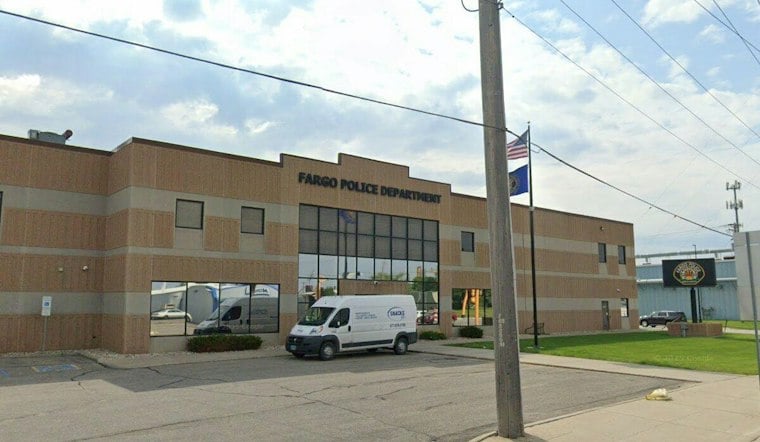
Similar lawsuits have surfaced elsewhere in recent months. In North Dakota, a Tennessee grandmother named Angela Lipps sued the city of Fargo and detective Lucas Heck for $10 million, alleging she was falsely arrested and prosecuted after an AI facial-recognition lead pointed investigators to a social-media photo, according to ABC News. Her complaint alleges the detective never conducted a thorough investigation or established sufficient probable cause before seeking a warrant.
In Florida, resident Robert Dillon sued multiple law-enforcement agencies after an alleged facial-recognition misidentification led to his arrest and prosecution in a Jacksonville Beach case, The Guardian reported. Police there said the algorithm had returned a 93% probability that Dillon was the man caught on security-camera footage. And in Nevada, attorneys for Jason Killinger have asked a federal judge to find the city of Reno liable for wrongful arrest in a facial-recognition case, according to Biometric Update. The cases involve distinct allegations and legal proceedings.
Fourth Amendment Questions Loom Over the Technology
Taken together, these cases raise questions about whether law-enforcement use of facial-recognition technology squares with Fourth Amendment protections against unreasonable searches and seizures. The man can pursue his lawsuit.





