

























































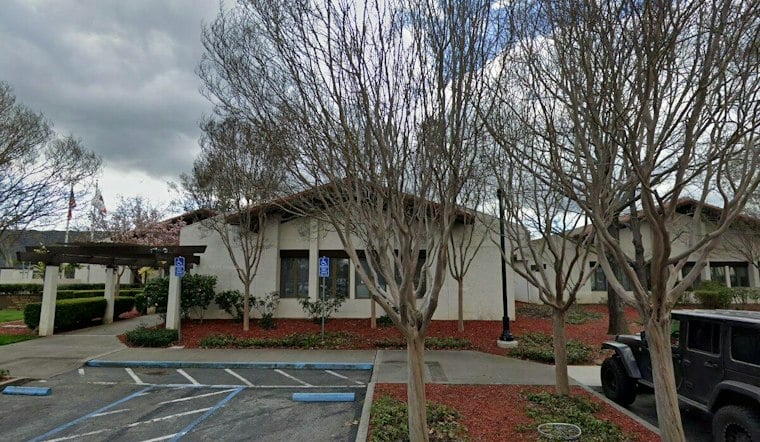
Marin County supervisors are set to consider a 45-day moratorium on new or expanded detention facilities in unincorporated parts of the county, a move officials say would close a gap in local planning rules just as similar federal immigration detention projects are being pursued near Gilroy and Dublin. The proposal would take effect immediately if approved and would bar the siting, construction, conversion, expansion or operation of new or expanded detention facilities, whether publicly or privately run.
What the Proposed Ban Would Do
According to a county announcement cited by SFGATE, Marin currently has no planning regulations specifically addressing federal immigration detention facilities, leaving the county without clear tools to evaluate such a project if one were proposed. County official Derek Johnson said other California counties have already acted to prohibit such facilities over concerns about public health, safety, infrastructure and emergency response, and that the urgency ordinance would preserve Marin's ability to plan before it ever receives a detention-center application.
County official Sarah Jones put it more bluntly, saying a building is not suitable for detention merely because it can be converted into one. Marin officials have said they plan to examine the potential effects any such facility could have on water and wastewater capacity, emergency access, public health and surrounding neighborhoods, and the county has cited infrastructure constraints and preparations for the upcoming storm season as part of its reasoning, per the same SFGATE report. Notably, the Board of Supervisors could extend the moratorium for up to two years if officials decide they need more time to develop permanent regulations.
Limits Built Into the Proposal
The moratorium, as described in the SFGATE account, would apply only where the county actually holds land-use authority and would remain subject to state and federal law. It would not halt federal immigration enforcement, and it would not close any existing detention facilities. The move follows an earlier step by the Board of Supervisors, which on October 20 adopted a separate policy prohibiting the use of county property, resources and confidential information in connection with federal immigration enforcement.
Marin's board also approved the filing of a legal brief opposing a separate detention facility proposal during a closed session on June 23, according to a Marin County news release. A separate county notice, also published by the county, states that supervisors will take up the 45-day moratorium on November 10.
Gilroy's Fight Over a Holsclaw Road Site
Marin would not be the first Bay Area jurisdiction to move this way. The Gilroy City Council unanimously approved its own temporary, 45-day ban on new detention facilities on public- or privately-owned property on October 5, with the option to extend it for up to two years, according to Local News Matters. That moratorium directly targets a planned U.S. Immigration and Customs Enforcement facility on Holsclaw Road just outside Gilroy, and the outlet reports it is meant to give city staff time to study and propose a more permanent zoning change addressing similar facilities.
The Gilroy project has already drawn litigation. ICE is pushing to build the detention center at 7240 Holsclaw Road, according to the San Francisco Chronicle, and a federal judge granted a preliminary injunction in September blocking construction while the broader legal battle continues, per Local News Matters. The dispute has turned in part on how many people the site could actually hold: Santa Clara County attorneys told the Chronicle the site plans indicate the facility could hold up to 150 people, producing peak wastewater flow of 15,000 gallons, while federal attorneys told the court the site would hold about 10 detainees at a time for no more than 12 hours. County attorneys separately argued that the site's septic system was designed to serve a small agriculture company with no more than 40 employees, not a new tenant that could have more than 100 people on site, the Chronicle reported.
A Pattern Across the Bay Area
Gilroy is not alone. Monterey County and San Jose approved their own moratoriums on September 29, according to KALW, with both jurisdictions citing zoning regulations and water and sewage concerns as they moved to make their temporary bans permanent. Monterey County staff, in a separate notice, said the county needed additional time to research, develop and adopt zoning regulations for new and expanded detention and correctional facilities, and recommended the Board of Supervisors extend its interim ordinance under California Government Code section 65858.
U.S. Representative Sam Liccardo released a policy toolkit in August meant to help local governments deter detention facility projects, focusing on local land-use policies tied to fire safety, environmental considerations, density restrictions and infrastructure capacity. Such temporary moratoriums on private detention-facility approvals are intended to give local governments time to develop land-use rules and requirements that can deter federal detention-center projects before they break ground, a pattern now extending from Gilroy and San Jose to Monterey County and, potentially, Marin.




