

























































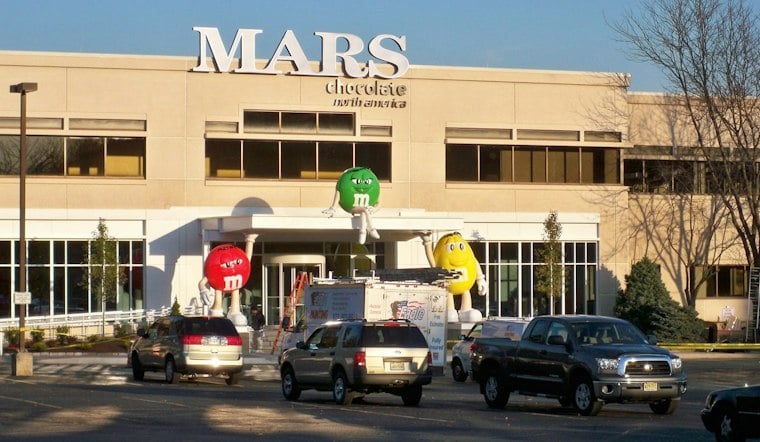
Mars, Incorporated says it will pour an estimated $1.4 billion into its U.S. manufacturing and operations footprint in 2027, the candy and pet-care giant's largest single-year investment on record. The plan touches factories from Utah to Texas to Ohio, plus a wave of new veterinary hospitals, as the company leans further into domestic production.
According to PR Newswire, the $1.4 billion figure builds on more than $9 billion Mars says it has invested in domestic operations since 2017. Mars CFO Claus Aagaard framed the spending around the share of products already made stateside, saying “Ninety-four percent of the Mars products sold in the U.S. are made here.” Food Dive reported the 2027 figure represents the most the Cheez-It and Snickers maker has said it has invested in a single year.
Salt Lake City Gets a Frozen-Treat Expansion
Part of the investment is going toward Trü Frü, the frozen fruit snack brand that has been headquartered in Salt Lake City since 2025 and is now expanding its operations there, per the same PR Newswire release. Mars invested $60 million to build two dedicated Trü Frü manufacturing lines at the site, giving it the capacity to produce 17 million Trü Frü frozen products annually.
That Utah campus is already familiar ground for big Mars spending. The company opened a $240 million Nature's Bakery facility there in July 2025, according to a Mars announcement, with capacity to produce more than 1 billion bars annually and more than 230 new jobs tied to the opening. That same release noted Mars had invested $6 billion in the U.S. over the prior five years and had committed $2 billion more to domestic manufacturing through 2026.
Waco Candy Plant Marks 50 Years
In Texas, Mars is commemorating 50 years of operations at its Waco facility this month, the company said in a release. Since 2024 alone, Mars has invested $165 million in the facility, according to Mars. The Waco plant manufactures more than 56 billion pieces of Snickers, Starburst and Skittles candies annually, and the recent investment has powered the rollout of the Snickers Xtreme Almond bar and Starburst Sour innovations, per the PR Newswire account.
Ohio Pet Food Plant Brings Production Home
Mars is also putting $49 million into its wet pet food facility in Columbus, Ohio, to bring production of its Temptations Lickable Treats to the United States for the first time, the company says. The investment introduces modern mixing and filling capabilities and will create capacity to produce more than 400 million Lickable Treat pouches annually. Mars has invested $162 million into the Columbus site since 2022, according to the same PR Newswire release.
Four New Pet Hospitals Planned for Early 2027
Beyond factories, Mars plans to invest more than $34 million to open four new Mars Veterinary Health hospitals early in 2027. Three will be BluePearl Pet Hospitals in Ellicott City, Maryland, and in Austin and Katy, Texas, while the fourth is a Banfield Pet Hospital in Wilmington, North Carolina, the release states. The new hospitals will provide advanced emergency and specialty veterinary care and are expected to unlock up to 195 new jobs. Mars already operates more than 2,000 veterinary clinics and hospitals across the country.
A Bigger Footprint After the Kellanova Deal
Mars now employs 80,000 U.S. associates who support more than 60 factories, research labs and offices nationwide, per the PR Newswire release. The company says it added 15 new facilities in the past year through its acquisition of Kellanova, expanding the manufacturing base that will absorb the 2027 spending.
The announcement lands against a broader industry backdrop. Food and beverage renovation and equipment-upgrade planned projects rose 27.6% in September from the prior month, according to Industrial SalesLeads data cited by Food Dive. At the same time, a Reuters report via Investing.com pointed to sluggish consumer spending and a shift toward healthier diets as factors weighing on demand for chocolates and snacks industry-wide. Mars has described its 2027 spending plan as continuing strategic manufacturing investments meant to modernize its U.S. facilities, even as those headwinds persist.





