

























































A reporter trying to gauge how hard it really is to find a primary care doctor in Massachusetts picked up the phone and called 150 medical offices. More than half of them either weren't accepting new patients or quoted a wait of at least three months just to get in the door.
The reporter, Marin Wolf, documented the exercise for her Starting Point newsletter, writing that she contacted as many offices as she could — “150 to be exact” — to see firsthand what residents are up against. According to the Boston Globe, the results were stark: more than half the clinics were either not accepting new patients or quoted a wait time of at least three months. A companion Globe investigation, based on calls made from Aug. 4 to Sept. 8, broke down the numbers further.
Of the 150 offices Wolf called, 25 flatly said they weren't taking new patients, and seven never even picked up the phone, per the detailed Globe account. Fifty-two of the 150 clinics quoted wait times of three months or longer, with 18 quoting at least six months and 10 quoting a full year or more before a new patient could be seen. In the snapshot of offices Wolf reached, the single earliest available appointment anywhere was still 90 days out.
Not Every Office Was Booked Solid
The picture wasn't uniformly bleak. Some offices, including a few affiliated with Cambridge Health Alliance and Tufts Medicine, had appointments within a week, the Globe reported.
Doctors Describe a System Under Strain
To understand why appointments are so scarce, the Globe also surveyed Massachusetts primary care physicians directly, drawing 253 responses. Sixty percent of those doctors reported patient panels of 1,500 people or fewer, and nearly 40 percent said their panels were below 1,000 — numbers that help explain why so many offices are turning new patients away.
About 77 percent of the physicians surveyed said they feel overwhelmed by patient portal messages and clinical notes, according to the same Globe survey.
Specialty care is generally more profitable than primary care. Statewide data help illustrate the slow erosion behind these pressures. The share of Massachusetts-based physicians practicing primary care slipped from 30.4 percent in 2018 to 28.7 percent in 2023, according to the Massachusetts Health Quality Partners, while the share of primary care doctors over age 65 ticked up from 21.7 percent in 2022 to 22.2 percent in 2023. Over that same stretch, the number of nurse practitioners working in primary care grew from 4,029 to 4,364, a shift that is helping fill some, though clearly not all, of the gap.
New Bedford Shows a Regional Strain
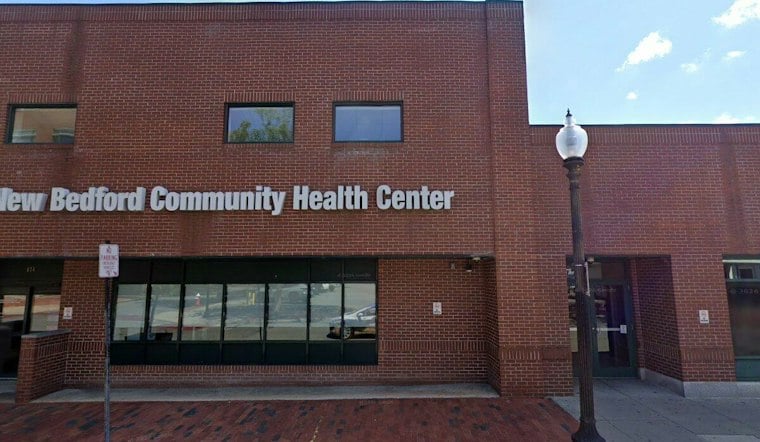
The shortage isn't unique to the Boston area. In New Bedford, a 2025 report found only 36 primary care clinicians practicing citywide, with an estimated 20,000 to 25,000 residents lacking a primary care provider, according to WBUR. Southcoast Health reported an approximate 59-day wait for a new-patient appointment, while New Bedford Community Health's wait for new adult patients was running about three months, though the station noted that figure regularly changes. Hawthorn Medical Associates, per a separate report from the Nashua Telegraph, wasn't accepting new adult primary care patients at all and had amassed a waiting list of about 4,000 people.
Lawmakers on Beacon Hill have taken at least one step toward addressing the underlying funding imbalance. The Massachusetts Legislature's Committee on Ways and Means advanced legislation to the Senate on a 14-0 vote in June, according to a Massachusetts Legislature press release. The Senate passed the bill in June, and it awaited House action as of July 22, 2026. The bill would require health care entities to invest 15 percent of total expenditures in primary care by 2030.





