

























































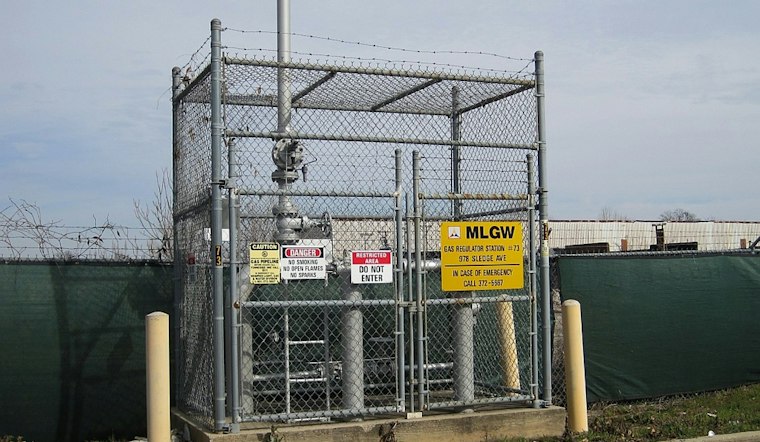
Memphis Light, Gas and Water’s board unanimously approved a three-year rate plan, but the Memphis City Council has the final decision. FOX13 Memphis reported that the vote was still ahead, while the Memphis Flyer said a council vote was expected this month.
The proposed household impact
The Memphis Flyer reports that the residential water charge, now a flat $1.31 per CCF, would rise to $2.704 in 2027, $3.137 in 2028 and $3.639 in 2029. Its estimates put the average household’s monthly water-bill increase at $2.50 in 2027 and as much as $10 by 2029, alongside expected gas increases of $6 to $18 a month. The same report says a discount would limit the three-year water-bill increase to $3 for about 58,000 low-volume households.
Published accounts do not give a consistent percentage for the proposed changes. FOX13 Memphis reported annual water-rate increases of 12% for residential customers, 20% for commercial and industrial customers, and 30% for data centers. WREG reported an 11% increase in residential water and gas rates over the three-year period. The figures have not been reconciled in the reporting cited here.
The dispute over who pays
MLGW has tied the proposed increases to infrastructure costs. The Memphis Flyer’s account of the utility’s history says the roughly decade-long rate freeze under Mission 2000 was intended to keep local utility costs low; MLGW says that period reduced capital investment and deferred maintenance. Mayor Paul Young has acknowledged that increases are difficult for customers while arguing that investment is needed to avert larger problems, according to the Flyer.
Protect Our Aquifer is asking the utility to change how it charges commercial and industrial water customers. WREG reported that the group submitted a petition with 1,018 signatures and called for a progressive rate structure. The Memphis Flyer describes the current system as declining-block pricing, under which commercial and industrial customers pay less per unit as their use rises. WREG also reported those customers account for 52% of metered water sales.
The proposed W-15 schedule for data centers would charge 30% more than standard commercial rates, according to the Memphis Flyer, but would retain lower per-unit charges at higher usage levels. Protect Our Aquifer wants MLGW to consider conservation-based tiers and has asked the council to approve the plan for one year, rather than three, the Flyer reported.
The requested changes extend beyond water pricing. The Memphis Flyer reported that 21st Century Memphis or Bust! is seeking independent financial audits of MLGW. Organizers from that group and Protect Our Aquifer have also argued for stronger incentives to conserve water, according to the Flyer.
What groundwater records show
The U.S. Geological Survey says long-term withdrawals from the Memphis aquifer since 1886 have created a large cone of depression in its potentiometric surface, with smaller cones at municipal well fields in the Memphis area. The records document how withdrawals have changed the aquifer’s water-level surface over time, providing context for the debate over conservation and water rates, according to the U.S. Geological Survey.
Data-center demand and the council’s choice
At a September council meeting, MLGW reported serving 16 data centers, with two pending requests totaling 350 megawatts and ten additional applications that had not yet been studied, according to The 901 Report. The utility has also cited a recycled-water facility, estimated to be completed in 2028, that is intended to replace water currently drawn by TVA and the CTC facility, the report said.
The council’s decision will determine whether the proposed increases and rate structure take effect. The remaining disagreement is not only about the size of household bills, but also about how much large-volume customers should pay and whether the plan should include stronger conservation incentives.





