

























































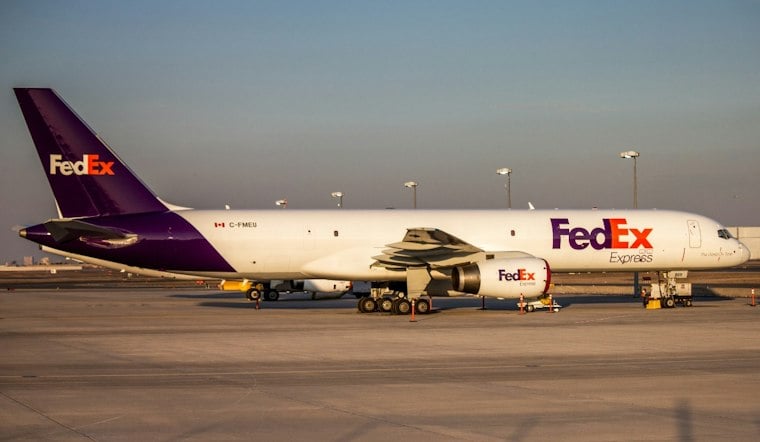
Thirteen separate lawsuits accusing FedEx of overcharging customers for import tariffs have been merged into a single case in the shipping giant's hometown federal court. The consolidated litigation, now called In re FedEx Tariff Litigation, lands in the U.S. District Court for the Western District of Tennessee as FedEx works through billions of dollars in disputed duty charges tied to a Supreme Court ruling earlier this year.
The combined lawsuits target duties, tariffs and brokerage-related fees that FedEx billed directly to customers as both a carrier and customs broker, according to case filings detailed by openclassactions.com. The case, numbered 2:26-cv-02181-TLP, names FedEx Corporation, Federal Express Corporation and FedEx Logistics as defendants. It traces back to February 20, 2026, when the U.S. Supreme Court ruled that the International Emergency Economic Powers Act does not authorize the president to impose tariffs, a decision whose text states plainly that “IEEPA does not authorize the President to impose tariffs,” according to the court's own published opinion.
From Scattered Suits to One Memphis Case
By late May 2026, 13 related suits were pending in the Western District of Tennessee, each raising similar complaints about IEEPA duty charges and tariff-related fees billed to FedEx customers. Chief Judge Sheryl H. Lipman granted an unopposed motion to consolidate those cases on June 1, 2026, renaming the combined matter In re FedEx Tariff Litigation and assigning it to U.S. District Judge Thomas L. Parker, per the case record cited by openclassactions.com. The consolidation order requires plaintiffs to file a single consolidated complaint rather than litigating the claims separately.
Judge Parker appointed interim class counsel on September 11, 2026, naming J. Gerard Stranch IV as interim lead counsel. Stranch asked the court on October 29 to set November 4, 2026, as the deadline for the consolidated complaint and December 4, 2026, as FedEx's deadline to respond, a request FedEx did not oppose. The court entered an order on that scheduling request on October 30. Under the current timeline, FedEx may either answer the consolidated complaint or move to dismiss it once it is filed.
What the Original Complaint Alleges
The first complaint in the litigation centers on duties, tariffs and related surcharges FedEx billed customers on imported shipments.
FedEx has not responded to the substance of the claims, and the court has not decided the merits of the allegations. No class has been certified in the litigation, and customers cannot yet claim anything through the lawsuit itself; class certification, if it happens, would come later in the case. There is also no settlement, claim form or deadline associated with the suit at this stage.
A Separate Refund Pipeline Already in Motion
Apart from the litigation, FedEx has been processing government-issued refunds through its own channels since the Supreme Court ruling took effect. FedEx says duties imposed under IEEPA stopped being collected on goods entering the country after 12:00 a.m. EST on February 24, 2026, based on CBP guidance, and the company says it took action to preserve its rights as an importer of record to seek duty refunds from Customs and Border Protection, according to FedEx's own tariff guidance page. Separately, FedEx filed its own lawsuit in the U.S. Court of International Trade on February 23, 2026, seeking a refund of the IEEPA duties it had paid to the government, as reported by Reuters.
On February 27, 2026, FedEx customers filed a separate proposed class action seeking compensation for what Reuters described as potentially millions of shippers who paid import duties and related fees. That filing came as FedEx was counted among at least 2,000 companies already suing the federal government in the Court of International Trade to recover IEEPA tariffs, Reuters reported, a wave that also swept in Hasbro alongside companies including L'Oreal, Dyson, Bausch + Lomb, Costco and J. Crew.
Billions in Refunds, Still Growing
FedEx has said it is passing government refunds back to the customers who paid them, and that if CBP issues refunds to FedEx, the company will in turn issue those refunds to shippers and consumers, CNBC reported in April. CBP began accepting refund declarations that same month and started issuing payments to eligible recipients in May, according to FedEx's refund FAQ, and FedEx itself began receiving government-issued refunds on May 11, 2026, as the importer of record, per Supply Chain Dive.
At the end of May, FedEx had roughly $800 million in refunds slated to go back to customers, the outlet reported, a figure that has since climbed sharply. By September 30, 2026, FedEx was holding approximately $2.7 billion in IEEPA tariff refunds for customers, according to a StockTitan report on FedEx's quarterly earnings. The same report notes that by that date FedEx had claimed $4.6 billion in refunds from CBP overall and had received about $3.3 billion of that amount, though the report cautions that the final total and timing remain uncertain.
FedEx planned to begin disbursing customer refunds around August 10, 2026, and built an online portal letting customers check whether shipment refunds had been received and their value, the same Supply Chain Dive reporting notes. The company said customers sharing limited shipment and refund data with vendor partners would be prioritized, while those declining to share data would still get refunds, just on a longer timeline. FedEx manages more than 20 million entries carrying IEEPA duties across hundreds of thousands of accounts, per the same account, and the company has said no other duties or tariffs were impacted by the ruling. That refund program is separate from the Memphis litigation itself.
How FedEx's Response Compares to Rivals
FedEx is not alone in managing this refund wave. UPS said it applied for tariff refunds totaling just under $500 million across 2.5 million eligible entries and pledged to remit refunds back to customers as soon as it received them, applying them first to open account invoices, according to the Supply Chain Dive report. DHL, meanwhile, estimated that payments to customers who had paid eligible duties would take 30 to 90 days after DHL itself received the refund money.
FedEx, headquartered in Memphis, now finds the consolidated litigation playing out in its own backyard federal court. With the consolidated complaint expected in November 2026 and FedEx's response due December 4, the case remains in its early procedural stages, with the eventual complaint set to determine which legal theories proceed for the named plaintiffs.





