

























































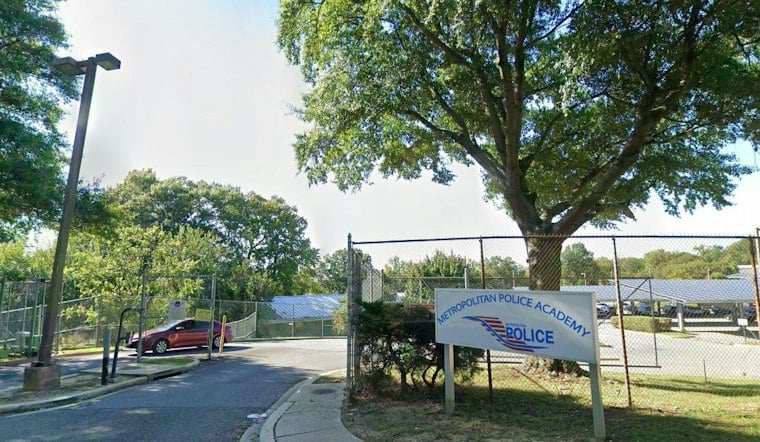
Washington's Metropolitan Police Department welcomed 10-year-old Jude Rinehart and his mother, Kendra Rinehart, in a show of support for a boy whose family was once told that reaching his second birthday would be a miracle. Jude has Pearson syndrome, a rare and life-threatening mitochondrial disease, and the department says he continues to defy the odds with courage and determination.
The department shared a Facebook post.
A Rare Diagnosis, A Family Once Warned Of The Worst
Pearson syndrome is described in the department's post as a rare and life-threatening mitochondrial disease, the kind of diagnosis that upends a family's expectations from the earliest days of a child's life. Per the post, Jude's family was told that simply reaching his second birthday would be a miracle. A decade later, Jude is still here, and the department says he continues to defy the odds with courage and determination.
Pearson syndrome is caused by deletions in mitochondrial DNA, which impair cells’ ability to produce energy; the condition can affect multiple organs and its prevalence is unknown. About half of children with the severe disorder die in infancy or early childhood, while some who survive develop symptoms of the related Kearns-Sayre syndrome later on. That range of outcomes helps explain why a decade-old milestone can carry particular weight for families facing the diagnosis. MedlinePlus Genetics’ overview of Pearson syndrome describes its causes and known risks.
Officers Frame Courage Beyond The Badge
The post's title begins, “Some heroes wear...”
Jude’s challenge-coin collection has become a nationwide first-responder project. Officers with the Wichita Police Department’s Patrol West Community Policing Team said their connection with Jude followed a meeting with an officer in 2024, and that he is collecting coins from first-responder agencies around the country. The project gives the D.C. welcome a wider frame: each coin can mark an encounter with emergency workers and extend a personal connection beyond a single department. The Wichita officers’ account of Jude’s coin journey describes how it began.
Challenge coins are often used by police departments and military units to mark solidarity or commemorate a shared moment.
Challenge coins can recognize community members as well as police personnel. Cedar Park, Texas, police policy says the department may give a coin to a community member who provides invaluable assistance, alongside awards for exceptional performance by department members. The practice shows how agencies use the tokens not only as internal symbols of solidarity but also as a way to acknowledge ties with residents. Cedar Park’s awards policy sets out those criteria.





