

























































IREN says its fully contracted, fully funded target of more than $4 billion in annual recurring revenue — originally expected by the end of this year — is now slipping to January 2027, and possibly as late as February. The Australia-based digital infrastructure company, which has pivoted from bitcoin mining toward renewable-energy-powered AI computing, says the delay traces back to a request from its biggest customer: Microsoft.
A Customer Request Reshapes the Timeline
In its fiscal first-quarter results released Thursday, IREN said the revised target reflects what it called a customer-requested change and supplier timing, according to the company's GlobeNewswire results release. IREN co-CEO Daniel Roberts identified that customer as Microsoft, telling analysts, “They made a request to reconfigure and upgrade some of the network infrastructure,” according to CNBC. The upgrade is reportedly meant to support roughly 200 megawatts of capacity for the latest generation of frontier AI models.
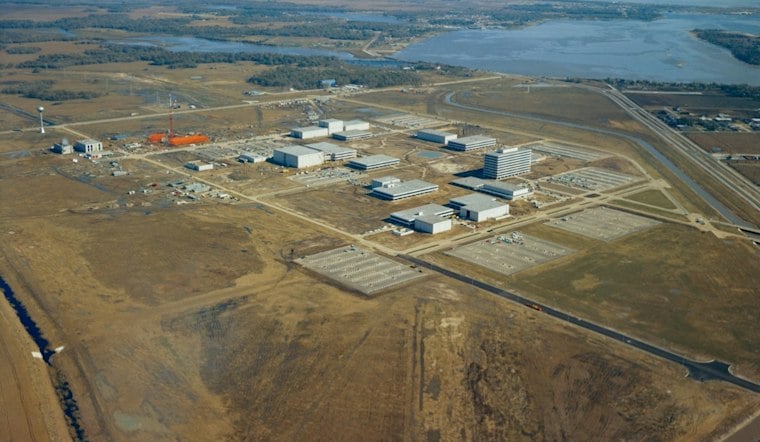
The project at the center of the delay is IREN's Childress, Texas campus, built under a $9.7 billion contract with Microsoft and split into four phases, as Business Insider reported. The first of those four 50-megawatt buildings, known as Horizon 1, went into service for Microsoft during the quarter and received NVIDIA Exemplar status, per the same GlobeNewswire release. Data Center Dynamics has reported that Horizon 1 was the first of four planned 50-megawatt, direct-to-chip liquid-cooled buildings slated for delivery at the site.
Satellite Images Raise Questions About the Final Building
Not every phase appears to be on the same footing. A satellite flyover on October 21 found that Horizon 4 still lacked backup power generators and cooling equipment, putting its scheduled year-end delivery at risk, according to analysis from Aterio cited by Business Insider. That gap sits alongside a broader pattern the outlet described: research firm Currence has estimated that 30% to 50% of planned data center capacity initially scheduled to come online this year could slip into 2027 or later because of electricity shortages and other construction issues.
IREN isn't alone in facing that kind of slippage. Aterio's satellite analysis also found that roughly 140 megawatts of planned capacity at a Nebius project in New Jersey could slip into 2027, Business Insider reported. Bloomberg has characterized the broader landscape bluntly, noting that neocloud companies — firms that rent out AI computing capacity to businesses — are grappling with delays, regulatory snags, and high costs.
Revenue Climbs Even as Losses Persist
Despite the timeline slip, IREN's underlying numbers moved in the right direction last quarter. Total quarterly revenue rose 66% sequentially to $228 million, while AI Cloud revenue specifically jumped 182% sequentially to $200 million for the three months ended September 30, according to the GlobeNewswire release. The company's revenue backlog grew 22% sequentially to $20.3 billion, with about two-thirds tied to investment-grade counterparties.
IREN's net loss narrowed to $263 million from $684 million in the prior period, CNBC reported. The company's stock had fallen 55% over the past month heading into the earnings report, though shares rose in extended trading once the results came out, per the same CNBC account. IREN wasn't alone in that rough stretch — CoreWeave had plunged 60% over the past month heading into its own earnings report, while Nebius was down 48% over the same period, CNBC noted.
A Broader Shift Away From Mining
The Childress buildout reflects a larger transformation underway at IREN, which built its early business on bitcoin mining before shifting toward AI infrastructure. Data Center Dynamics reported that the firm is winding down its mining operations and diverting cash flow into its AI business. That shift mirrors a wider trend among neocloud operators, who have become an important part of NVIDIA's customer base as the chipmaker extends investments and financial guarantees to firms like IREN, giving NVIDIA access to customers beyond Microsoft, Google, and Amazon — each of which both buys NVIDIA chips and develops rival hardware of its own.



