

























































Chest pressure and shortness of breath were the first warning signs Mark Baden noticed before his heart attack. The 56-year-old WISN chief meteorologist had mowed his lawn with a push mower that October morning; by the next afternoon, he was in an emergency room learning that one of his coronary arteries was nearly blocked.
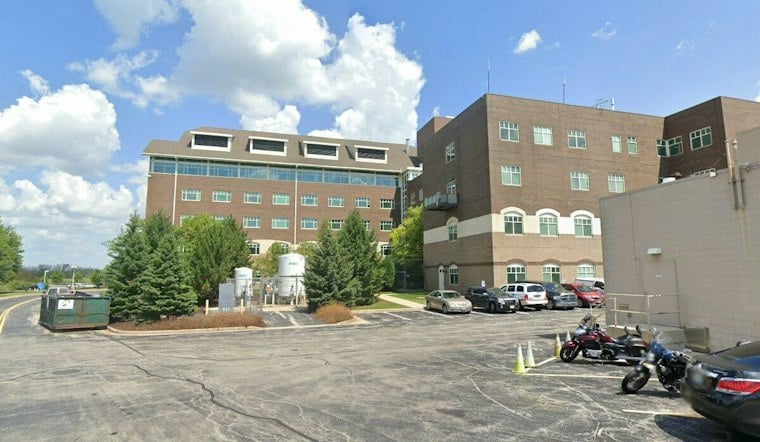
Baden first felt chest pressure and shortness of breath on Oct. 14 but continued with his workday, according to WISN. The symptoms returned more strongly the next day, including chest pain that was especially noticeable as he walked upstairs. His oldest daughter drove him to the emergency room at St. Mary's Ozaukee, where tests confirmed a heart attack. First responders took him to Ascension Columbia's Milwaukee campus for treatment.
Doctors found a severe blockage, described somewhat differently in the two reports. WISN reported that one coronary vessel was about 90% blocked; the Milwaukee Journal Sentinel reported that Baden described it as a blockage in his largest artery. Doctors used a balloon to press plaque against the artery wall and open a passage, then placed a stent to keep it clear. Baden has said he was semi-conscious during the procedure.
Recovery and Risk
Cardiologist Sasanka Jayasuriya, who was on duty when Baden arrived, said his prognosis is excellent and that he had no long-term heart damage. Jayasuriya credited how quickly Baden sought help after symptoms began. Baden believes the episode was hereditary, though the reports do not independently confirm that. He is attending cardiac rehabilitation three days a week for three months at Ascension Columbia St. Mary's Hospital–Ozaukee, including treadmill sessions and stress tests.
Baden has said he can now take deep breaths and believes blood is flowing better through his heart. Weeks after the heart attack, he said he felt amazing, sharing the update with his wife and three children. In a Facebook post on Oct. 15, he described the experience and said, “I thankfully listened to my body and knew something was wrong,” per the Milwaukee Journal Sentinel. The post and subsequent ones have drawn more than a million views, the outlet reported. Baden, who has worked at the Milwaukee station since 1997, has encouraged others to get unusual symptoms checked rather than wait.
Recognizing Heart Attack Symptoms
Jayasuriya has emphasized that heart attacks can present differently, particularly in women. He said one in three women will not experience chest pain during a heart attack and may instead have shortness of breath, acid reflux, or pain in the throat, arm, belly or shoulder. Such symptoms are more common in women than men, he said, and heart-related discomfort can occur anywhere from the earlobe to the belly button. He also noted that young women can have heart attacks caused by sudden tears in heart arteries around pregnancy and childbirth.
Other Warning Signs
The American Heart Association lists chest discomfort, discomfort in other upper-body areas, shortness of breath, cold sweats, nausea and lightheadedness among possible heart-attack warning signs.
For prevention, Jayasuriya recommends that people age 50 and older who have risk factors but no known coronary disease consider a calcium-score screening to help guide a prevention plan. He advises people with high scores to start medication and address risk factors. He also recommends monitoring cholesterol, blood pressure, diabetes control, stress, body weight, physical activity and family history.
Mental Health After a Heart Attack
Jayasuriya said patients may experience anxiety, guilt, shame or depression after a heart attack, and advised seeking professional care for those symptoms. The WISN report on Baden's recovery was written by Joyce Garbaciak.





