

























































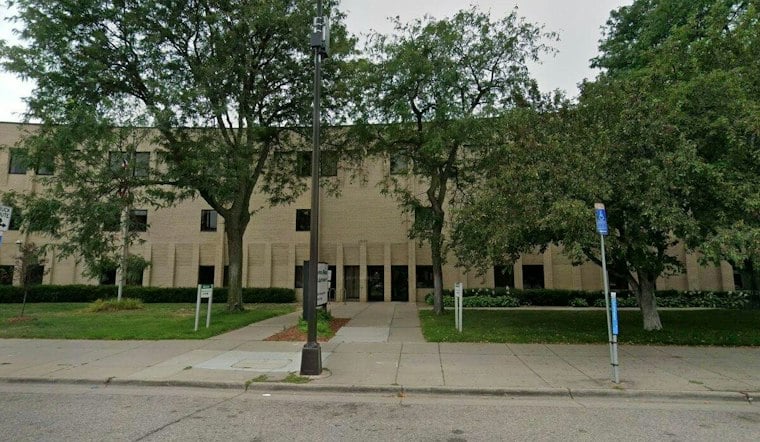
Minneapolis reopened its public housing voucher waitlist for the first time since 2019 in October, but the numbers tell a sobering story: MPHA anticipated adding roughly 1,500 households to its Bring It Home waitlist, while estimating its $21 million allocation could support 600 to 700 Minneapolis households. For renters hoping a voucher might finally make their housing stable, the math simply doesn't work out.
The Minnesota Legislature created Bring It Home in 2023, funding it through state appropriations and a metro sales tax, according to Sahan Journal. The program was designed to distribute $123 million through 50 local and regional agencies across the state over two years, with $21 million earmarked for Minneapolis residents through the Minneapolis Public Housing Authority, or MPHA. The Minneapolis agency opened its waitlist to the wider public from Oct. 13 to 15, after first offering vouchers to more than 500 households already waiting on the federal list, as reported by MPR News.
Applying during that window didn't guarantee a spot. MPHA said on its website that submitting an application simply entered a household into a lottery for a chance to be added to the waiting list. The agency estimated it had enough remaining state funding to issue just 300 to 350 new tenant-based Bring It Home vouchers, even as demand vastly outpaced that number.
Conflicting Estimates on How Many Families Can Be Helped
Exactly how many Minneapolis households the program can ultimately serve depends on who you ask. MPHA has said its $21 million allocation would support rental assistance for 600 to 700 households, per the same MPR News report. Separately, MPHA executive director Abdi Warsame said the program would help “hundreds” of families, while MPHA expected about 1,500 households to be added to its Minneapolis waitlist. Warsame also said landlords can be difficult for voucher recipients to find in the region, even as he argued the program will help address a cycle of poverty.
Statewide, a Minnesota Housing Finance Agency spokesperson told the station that 400 households had rented homes using the vouchers so far. That's a modest total next to the ambitions laid out in a March 2026 presentation to the Metropolitan Council's Community Development Committee, which projected 5,000 new vouchers for Minnesotans — including 900 through Metro HRA, 750 through Minneapolis PHA and 500 through St. Paul PHA, according to the Metropolitan Council. That same presentation said priority would go to households with children age 18 or younger and incomes up to 30% of the area median, and noted the program restricts how vouchers can be used across jurisdictions, though it did not detail the full scope of that limit.
A Separate Push for Project-Based Vouchers Skips New Construction
Metro HRA has also run a separate track for the program. In May 2026, the agency solicited proposals for up to 100 Bring It Home project-based vouchers, but the solicitation document made clear that only existing housing would qualify — new construction projects would not be considered.
The gap between ambition and capacity echoes a broader pattern described by the Star Tribune, which reported that the Twin Cities housing sales tax underpinning much of this effort has raised more than $400 million, yet construction of new affordable units funded by that money remains largely years away. Guidelines for how cities and counties can spend the tax proceeds are loose, the Star Tribune found, and some local governments have put the money toward condo rehabilitation, radon mitigation and front-yard fix-ups rather than new housing stock.
Why Affordable Housing Supply Remains the Underlying Problem
None of this unfolds in a vacuum. A 2023 analysis found Hennepin County alone needed more than 34,000 additional affordable homes, with nearly half of county renters considered cost-burdened, according to the Star Tribune. Hennepin County received $12 million from the sales tax, the largest share among metro counties and cities, and has used it for programs including its Repair and Grow initiative, with roughly $10 million budgeted in 2024 and another $14 million in 2025. The remainder of the county's 2024 sales-tax revenue was set aside for emergency rental assistance, and county officials said they planned to ramp production back up in 2026 after a period of stabilizing providers.
Even for renters who do land a voucher, rising rents have cut into what that assistance can actually cover, shrinking the purchasing power of a subsidy that was supposed to be a lifeline. And because vouchers are generally restricted to the area where they were issued, families can't simply shop them around the broader metro in search of an available unit — a constraint that compounds the challenge of finding landlords willing to participate in the first place.
For now, applicants are left waiting to see whether they are added to the waitlist for the few hundred vouchers MPHA expects to distribute, while state and regional officials continue building out a program still finding its footing years after lawmakers approved the funding behind it.




