

























































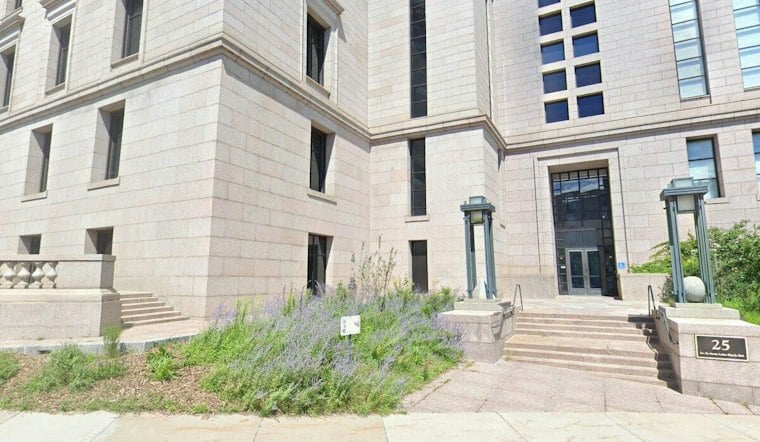
The Minnesota Supreme Court ruled Wednesday that the Minneapolis Public Housing Authority does not have to obtain rental dwelling licenses from the city, a decision that makes it harder for public housing residents to win their lawsuit over alleged unsafe living conditions. The ruling centers on whether the city's rental license fee counts as a tax, and justices determined that because the housing authority is exempt from property taxes, it is also exempt from paying that fee.
A Years-Long Fight Over Mold, Sewage and Skipped Inspections
The case traces back to a lawsuit filed by Minneapolis public housing residents against the City of Minneapolis and the Minneapolis Public Housing Authority, alleging ignored inspections and dangerous living conditions. According to Bloomberg Law, tenants led by Kimberly Lowry and Jeanne Harris alleged that the authority's failure to obtain rental dwelling licenses for more than 6,000 residential units meant they were living in substandard properties that breached the city's housing maintenance code. The housing authority is the landlord named in the residents' lawsuit.
Lead plaintiff Kimberly Lowry described hazardous conditions in her own home — including sewage backups, asbestos and mold — according to Courthouse News Service. Court documents in the case showed moldy and neglected rental units, and residents have said more than 6,000 public housing units went without routine city inspections for nearly 30 years.
How the Court Got There
Court records show the dispute over whether the rental license fee is actually a tax was argued before the Minnesota Supreme Court in April. The high court's opinion determined under Minnesota statutes that the fee is a tax and that the housing authority's exemption from city property taxes means it is not required to obtain the city's rental licenses, according to the opinion posted on mncourts.gov. That reasoning effectively knocked out the proposed class of tenants' claims that were built on the housing authority's lack of licenses, Bloomberg Law reported.
During the April oral arguments, justices floated that the case could be worth $150 million. Justice Paul Thissen raised concern over how to limit what he called a potential $150 million windfall to class members who may not have actually had a habitability problem, the same Courthouse News account noted. That figure was discussed as a possible exposure during arguments, not as a damages award.
A Long History of Disputes Over Inspections
This is not the first time the housing authority's compliance with city rules has landed in court. The Minnesota Court of Appeals ruled in 2020 that the city must inspect public housing units just as it inspects private rental properties, according to FOX 9 Minneapolis-St. Paul. After that ruling, the city began inspecting public housing, but only when tenants called 311 to complain, the station reported. The city has since said it started routine public housing inspections after a change to state law took effect the previous year.
A Hennepin County judge had earlier sided with the city and the housing authority in a 2021 lawsuit, reasoning that the city's policy of not requiring the authority to get a rental license could not be challenged through that particular case, according to the Star Tribune. A separate earlier ruling in the dispute held that the covenant of habitability applies to public housing tenants just as it does to everyone else, per Courthouse News.
What Comes Next for Tenants
Residents' attorneys say the ruling could shrink the case but insist it does not affect residents' claims against the city itself, FOX 9 Minneapolis-St. Paul reported in its coverage of the decision. Attorney Anna Prakash said her clients should still be able to sue their landlord. Attorney Gretchen Sperry said the city conducts annual inspections for only 2% of its properties, underscoring the residents' broader complaint about oversight.
The Minnesota Supreme Court suggested in a footnote and during oral arguments that free licenses for the housing authority could be one possible solution. Justice Thissen said an inspections agreement could still be reached with the city, but also noted the city was not part of the appeal and that no such agreement had been reached. The City of Minneapolis issued hundreds of rental licenses to the housing authority last year, FOX 9 reported, though it's unclear how that squares with the court's finding that such licenses aren't required. A city communications team told the station it would not comment on pending litigation when asked about the licenses and the court's opinion.




