

























































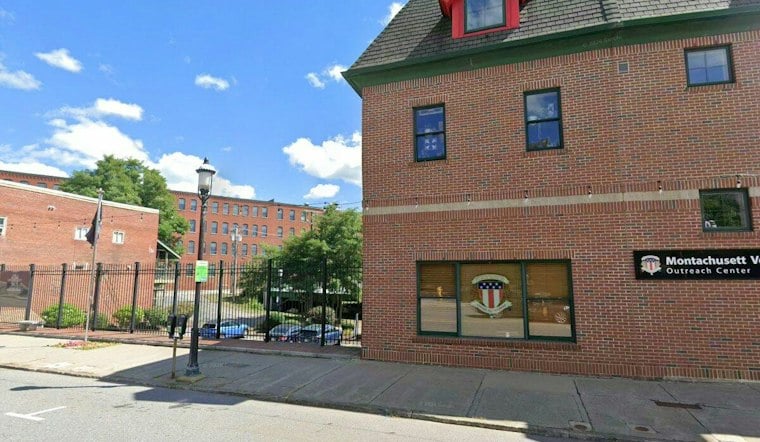
Veterans across North Central Massachusetts struggling to get to work without a reliable car now have a new option: a refurbished vehicle with a $900 contribution, paid in monthly installments of $75 over a year. The Montachusett Veterans Outreach Center announced the deal during the week of Veterans Day, saying it had finalized a new partnership with the nonprofit Second Chance Cars to connect local veterans with affordable transportation.
The announcement, posted on the organization's website, says the MVOC “finalized a brand new partnership with Second Chance Cars, Inc.,” according to the Montachusett Veterans Outreach Center. Second Chance Cars works with nonprofits across Massachusetts that serve veterans, returning citizens and single parents, identifying qualified candidates, refurbishing donated vehicles, and matching the cars with recipients who need them. Under the new arrangement, recipients would pay $900 toward a vehicle’s cost — $75 a month for one year — through a zero-interest, credit-building loan issued by Metro Credit Union, per the same announcement.
Why Reliable Wheels Matter Here
MVOC Executive Director Dr. Stephanie Marchetti said the lack of transportation options in the region makes this kind of program especially important. “There is limited public transportation in this area, and even less available rideshare options,” she said, according to the outreach center's announcement. Marchetti added that matching employed, motivated veterans with a Second Chance Cars vehicle would directly and immediately improve their lives.
That transportation gap isn't just a local talking point. A regional study from CommunityScale found that outside Worcester and a handful of walkable town centers, car ownership in Central Massachusetts is effectively required, with households spending between $17,500 and $21,000 a year depending on the subregion. For veterans trying to hold down steady work, a working car isn't a luxury — it's often the only way to get to a job site or appointment at all.
How the Program Works
Second Chance Cars only accepts recipient recommendations for people currently enrolled with one of its nonprofit partner organizations, according to the group's own Second Chance Cars website. Once an application is submitted, the organization tries to match an approved applicant with a refurbished, donated car that fits their financial, employment and family needs. The MVOC partnership gives local veterans a direct path into that pipeline.
On the donation side, Second Chance Cars is looking for cars in Eastern and Central Massachusetts that have a title and are free of liens or extensive rust, per the MVOC announcement. The organization notes that some donated vehicles aren't ultimately awarded to a recipient — those are sold instead, with proceeds going toward refurbishing other cars in the program, according to the group's donation page.
A Pattern of Local Partnerships
The MVOC-Second Chance Cars deal follows a similar arrangement from last November, when Gardner Auto Mart donated a vehicle to Army veteran Hal McAllister after partnering with the outreach center to identify a recipient, as The Gardner News reported at the time. Second Chance Cars itself has built similar relationships elsewhere in the state. Hoodline previously reported that Southeastern Regional Vocational Technical High School refurbished an Acura MDX for single mother Esclanette Germain in partnership with the organization, one of ten Massachusetts vocational-technical schools that work with Second Chance Cars. That report also noted the organization sometimes sells higher-maintenance or luxury donated vehicles, using the proceeds to subsidize low-maintenance commuter models such as Honda Civics and Toyota Priuses for recipients.
Second Chance Cars was founded in Massachusetts in 2018 by Executive Director Dan Holin, according to Hoodline's reporting. The organization has pointed to its own 2024 impact data showing recipients' weekly work hours climbing by an average of 88 percent, from 19.8 to 37.4 hours, alongside a 123 percent jump in average annual income, from roughly $22,000 to about $49,000. That same data reported that 38 percent of housing-insecure recipients moved into permanent housing within a year of getting a car, and that 2024 recipients included 45 percent military veterans, 31 percent single parents, refugees or people in recovery, and 24 percent returning citizens.
What Donors Should Know About Tax Deductions
Vehicle donors may be able to claim a tax deduction, though the rules depend on individual circumstances. The Internal Revenue Service notes that donors may claim fair market value in specific situations, including when a charity makes significant intervening use of the vehicle before selling it. Donors considering a vehicle donation should confirm their own eligibility and the value of any deduction directly with the IRS or a tax professional rather than assuming a standard rate applies.





