

























































Ohio law requires registered sex offenders to verify their addresses at intervals set by their tier.
Ohio Sex-Offender Registration Check-In Frequencies
Ohio law sets address-verification frequency by tier: Tier I registrants verify annually, Tier II registrants every 180 days, and Tier III registrants every 90 days. Under Ohio Revised Code Section 2950.06, when a registrant misses that kind of address verification, the sheriff's office handling the case is required to promptly notify the state Bureau of Criminal Identification and Investigation of the lapse, a step that effectively flags the registrant as out of compliance at the state level.
A missed verification date does not immediately trigger prosecution. Ohio law requires the sheriff to send a written warning the following day, giving the registrant seven days to verify the address. If the person still has not verified it when that period expires, the sheriff must notify the state Bureau of Criminal Identification and Investigation and promptly seek an arrest warrant. The law also says a person who verifies within the warning period cannot be prosecuted for the missed deadline. Ohio Revised Code Section 2950.06 sets out that sequence.
That compliance framework is the backbone of Ohio's registry system, designed to keep law enforcement aware of where registered offenders are living at all times.
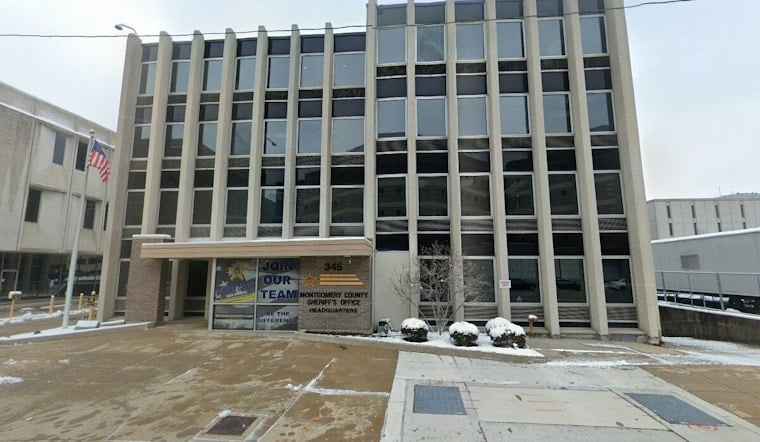
In Montgomery County, the sheriff’s office handles registration, and the county directs residents to the Sheriff’s Office registry to find offenders and sign up for alerts. The county explains that Ohio’s tier classifications determine how often people must verify their information, while registrants must also report changes to their home, work or school addresses. That local role connects the in-person check-in system to the public-facing registry. Montgomery County’s sex-offender information page describes the county’s registration responsibilities.
Similar Searches Have Played Out Before in the Region
The registry also depends on statewide systems that support county-level work. In 2023, the Ohio Attorney General’s Office announced $384,283 in upgrades to registry technology, including new computers for sheriff’s offices in 59 counties and software improvements to the system law enforcement uses. The state says sheriffs document registrants, take photographs and submit address information, while the system supports access to registry data. The Attorney General’s announcement described the upgrades and the sheriffs’ role.
Cases like Bell's aren't unheard of in the broader Dayton area. A Yahoo News item referencing a WHIO-TV report described a separate search for registered sexual predator Timothy Melvin Dunaway, who reportedly had not verified his address with deputies — a lapse the report characterized as a criminal offense in its own right. That case, detailed in the outlet's coverage, underscores how address-verification failures can quickly escalate into active manhunts for registered offenders across the region.




