

























































Mountain View's City Council voted 6-0 on Nov. 17 to approve a sweeping overhaul of the city's residential zoning rules, clearing the way for taller, denser apartment buildings at designated sites around the city while sparing a cluster of single-family homes on Starr Way from the changes. Council member John McAlister was absent for the vote.
The update to the R3 zoning district, which covers about half of Mountain View's multifamily housing and nearly all of its rent-controlled homes, could enable between 10,000 and 16,000 new housing units, according to a previous city report cited by Mountain View Voice. That figure is a projection of the plan's potential buildout, not a count of homes that have been approved or built. The rezoning effort, first reported by San José Spotlight, officially began in 2020 and has gone through several delays and rounds of city and community feedback since then, according to Los Altos Online.
Where the Tallest Buildings Could Rise
Under the new rules, designated R4 sites — including locations near Rengstorff Park, in the San Antonio neighborhood, near Landels Elementary School, and south of El Camino Real by the Sunnyvale border — will permit up to 110 homes per acre, or roughly seven to eight stories, per the Mountain View Voice report. Other scattered sites, primarily north of El Camino Real, will allow up to 65 homes per acre, which corresponds to about four to five stories. The planned growth is concentrated in neighborhoods north of El Camino Real, while the R3 update largely excludes southern Mountain View, which consists mostly of single-family homes.
Some properties previously zoned R2 — a designation that includes single-family dwellings, duplexes, and low-density row houses and townhouses — were reclassified as R3-A at locations south of El Camino Real, near downtown, and north of Central Expressway, permitting 20 homes per acre, nearly double the previous density. The update also establishes more objective development standards for building heights, property-line setbacks, and parking, which city officials say give developers clearer upfront expectations while giving the city more control over how projects get built. The approach builds on a selective density strategy the council favored last year, which identified sites near the Palo Alto and Sunnyvale borders and major arterial roads for concentrated growth.
Starr Way Residents Push Back
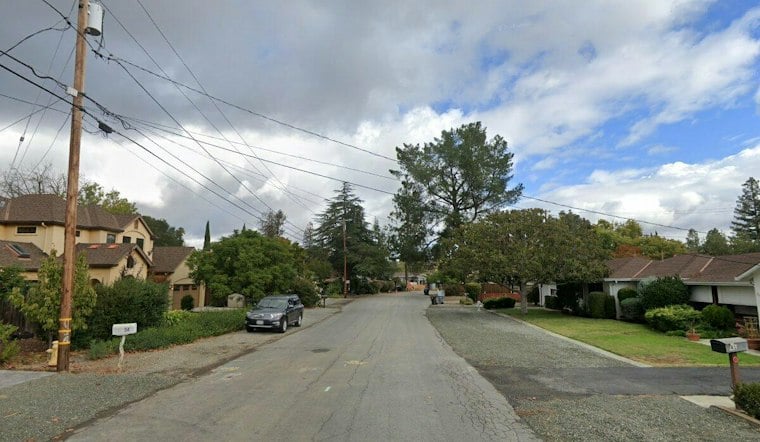
Not every corner of the city will see new density. The council agreed to keep three Starr Way properties zoned R2 after residents objected to upzoning the single-family street near Graham Middle School. Resident Chris Kirmse and others argued the road was not designed to accommodate many more multifamily homes, and residents contended that preserving Starr Way's R2 designation would buffer nearby higher-density Miramonte Avenue housing from the surrounding single-family neighborhood.
Mountain View YIMBY, described as a pro-housing advocacy group, had urged the city to at least match existing housing levels on sites that exceed current land-use designations. Council member Lucas Ramirez said the council heard from both Starr Way residents and Mountain View YIMBY during the process, and thanked members of the public for participating. Community members broadly supported the R3 changes at the meeting, even as the Starr Way debate played out.
Del Medio Decision Pushed to December
The council deferred a decision on Del Medio Garden Apartments, an 85-unit, rent-controlled complex near the San Antonio Caltrain stop that was built in 1966. Attorney Katia Kamanger, representing the property's owners, urged the council to allow more density than the proposed R3-B designation, which permits 25 homes per acre, arguing the building is facing functional obsolescence and that the proposed zoning would actually yield fewer units than currently exist on the property. Kamanger requested upzoning that would allow additional homes if the property is ever redeveloped.
The zoning map amendments are scheduled for another reading and discussion at the council's Dec. 8 meeting, according to Los Altos Online's report. The changes are set to take effect Jan. 7, 2027. Council member Pat Showalter said the plan took considerable thought and coordination, while the broader R3 update was guided by goals of preventing resident displacement and increasing housing, and aims to create transitional areas between high-density housing and single-family neighborhoods as well as facilitate more housing types, including additional condo developments.
Echoes of Past Redevelopment Fights
Mountain View has wrestled with density-versus-displacement tensions before. In 2018, the council approved replacing the 56 rental units at Moffett Manor Apartments with 58 for-sale rowhouses, a swap then-Mayor Lenny Siegel acknowledged would mean the loss of naturally affordable housing, according to the Mountain View Voice's earlier coverage. Two years later, SummerHill Homes proposed redeveloping a property on West Middlefield Road, though the council postponed that decision in 2020 amid shelter-in-place restrictions that limited public participation in meetings.
City officials began discussing updates to the R3 district back in 2019, meaning the plan approved this month caps roughly seven years of deliberation. With the map amendments still awaiting a final reading next month, the practical effect on Mountain View's housing stock — and on properties like Del Medio — remains to be seen.




