

























































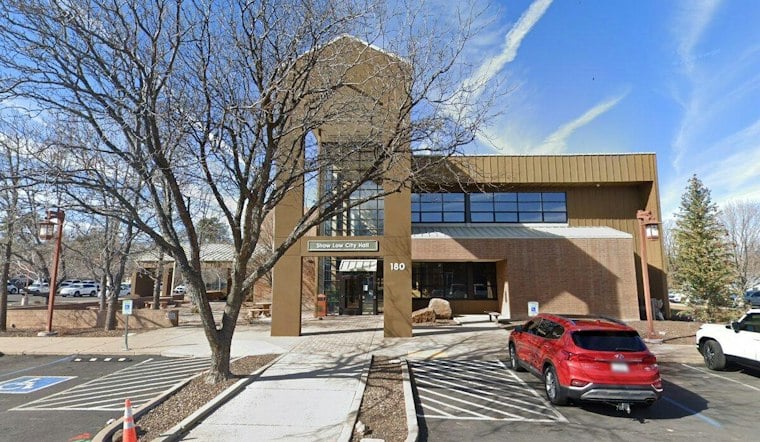
Nearly a third of the homes in Navajo County sat vacant during the 2019-2023 American Community Survey estimates, a figure that points to just how much of rural Arizona's housing stock exists for part-time use rather than year-round living. Show Low, the county's largest city, sits at the center of that pattern, even as the exact scale of seasonal housing within city limits today remains undocumented in current data.
According to a Morrison Institute for Public Policy county profile, Navajo County had 56,946 homes total based on those same 2019-2023 estimates, with 31% of them sitting vacant. That's a notable share for a county whose largest city is Show Low, and it echoes a statewide trend in which Arizona's vacant housing skews heavily toward seasonal use rather than homes simply sitting empty between occupants.
Arizona's Vacant Homes Skew Seasonal Far More Than the National Average
Statewide numbers from the 2020 Census help explain why. Research published by Arizona's Economy found that 48.6% of vacant housing in Arizona was for seasonal, recreational, or occasional use in 2020, compared with just 31.9% nationally. The same analysis found that more than half of vacant housing units in Navajo, Coconino, Gila, and Yavapai counties — along with several others — fell into that seasonal category that year.
La Paz County topped the state with 81.2% of its vacant housing earmarked for seasonal use, the highest share in Arizona, the report notes. Navajo County's own seasonal housing dynamics carry a historical thread, too: Census 2000 data compiled by azcensus.com showed that 27.4% of Show Low's housing units, or 1,190 of its 4,337 total units at the time, were classified for seasonal, recreational, or occasional use.
Home Sales Data Underscore a Second-Home Market
The vacancy figures line up with another data point from the Morrison Institute profile: in 2022, only 37% of all home sales in Navajo County went to primary residences, the second-lowest share of any Arizona county behind Apache County's 23%. That pattern suggests a substantial portion of the county's housing market caters to buyers who aren't planning to live there full-time.
Statewide, the seasonal housing story connects to Arizona's broader snowbird economy. ABC15 reports that Arizona's population can swell by 10% to 15% from October through April as snowbirds arrive, adding an estimated 800,000 to 1.2 million people who spend money across the state. In metro Phoenix alone, the station notes, that seasonal influx carries an economic impact estimated at more than $1 billion per year.
Other Arizona Cities Draw National Seasonal Rankings
Yuma offers one of the clearest examples of how seasonal residency reshapes a local economy, according to the same ABC15 report. The city nearly doubles in size during snowbird season, with an estimated $180 million flowing into its local economy, and 58% of its vacant homes are classified as seasonal or short-term. A StorageCafe report cited by the outlet ranked nearly 100 snowbird destinations nationwide and found Florida and Texas cities dominating the top of the list, though six Arizona cities made the broader rankings: Yuma led the state's entries, followed by Lake Havasu City and Tucson, with Bullhead City, Mesa, and Casa Grande also included.
A recent Phoenix Business Journal report on seasonal housing hubs noted that the Show Low area carries a higher concentration of part-time housing than many coastal destinations, and that Prescott and Prescott Valley also rank high among Arizona locations for their share of seasonal homes, according to a photo caption in that report. The underlying scale of Show Low's current seasonal housing footprint, however, isn't established in available county or census data beyond the historical 2000 figures.
Taken together, the data paint a picture of rural Arizona counties where part-time residency is deeply embedded in the housing market, even if the precise local breakdown for communities like Show Low today remains less documented than the statewide and county-level trends.





