

























































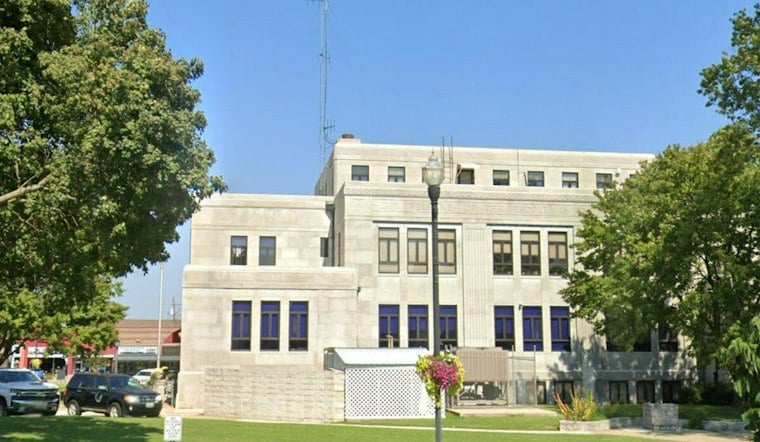
Neosho City Council approved a bill on November 3 confirming a half-cent public safety sales tax increase. The local paper says that confirmation means residents will be charged a 1.5% sales tax on all utilities.
Neosho Daily News, in a story by Castle Spieker published November 13, reported both the council vote and the resulting utility charge. The paper's account is the only supplied description of how the confirmation reaches household utility bills.
What the Council Confirmed
The November 3 action was a confirmation of the half-cent public safety sales tax increase, not a brand-new rate invented at the dais. Voters had already passed that increase on June 2, 2020.
City code records the 2020 measure as a sales tax of one-half of one percent on all local retail sales and services, dedicated to fire and police capital improvements and operations. The council bill, as reported, confirms that increase. The paper then describes an additional half-cent sales tax on all utilities.
A 1979 Utility Tax Still on the Books
Neosho has taxed certain utility sales for decades. On August 7, 1979, Ordinance No. 1049 imposed a sales tax on metered electricity, natural gas, artificial gas, propane gas, wood, coal, and home heating oil sold for nonbusiness, noncommercial, or nonindustrial use inside the city limits.
The same ordinance reimposed a 1% tax on sales of metered service. City code still states the rate in the old language: "The rate of taxation shall be, as heretofore, one percent (1%)."
That 1979 levy is narrower on its face than the paper's description of the new charge. It names specific fuels and heating sources, and it is limited to nonbusiness, noncommercial, or nonindustrial use. The Daily News, by contrast, says residents will be charged 1.5% on all utilities. The code and the paper are describing different enactments; neither source spells out how the older utility tax and the confirmed public safety increase sit on the same bill.
What Missouri Law Says About Utility Sales
State law draws its own line, and it is not the same line as Neosho's 1979 ordinance. Under RSMo Section 144.030, utility sales classified as residential are treated as domestic use and exempt from sales tax. Sellers charge tax on purchases classified as nondomestic use, and the utility's own service-rate classification is conclusive.
A companion section, RSMo Section 144.032, is headed "Cities or counties may impose sales tax on utilities — determination of domestic use." The excerpt authorizes local sales taxes on utilities and addresses how domestic use is determined. It does not, by itself, say which Neosho customers or which fuels the November confirmation covers.
The Charge Residents Are Being Told to Expect
The practical figure in the Daily News account is 1.5% on all utilities for Neosho residents. That is the paper's statement of the charge, tied to the council's confirmation of the half-cent public safety increase.
The 2020 tax, as written in city code, is a half-percent levy on local retail sales and services for fire and police capital improvements and operations. The 1979 ordinance remains a separate 1% tax on specified metered service for nonbusiness, noncommercial, or nonindustrial use. Readers looking for a start date, a first billing cycle, or a line-item description will not find those details in the council confirmation as reported or in the code excerpts that record the older rates.
What is on the record is the sequence: a 1979 utility tax, a voter-approved public safety tax in June 2020, and a November 3 council bill confirming the half-cent increase, which the Daily News says will be collected from residents as part of a 1.5% sales tax on all utilities.





